Luxor West Bank Tour
Thursday, November 6th I took a private tour of the Luxor west bank Valley of The Kings and related tombs and temples. A private tour allowed the most efficient use of my time: Not waiting for groups to board the bus and visiting stops that don’t interest you.
My driver Ramses was safe, watched my belongings in the car, and pulled the car up as we left each site. My tour guide Emad was pleasant, flexible, and knowledgeable about the temples and tombs that we visited. I highly recommend them and this tour.
I used Google Lens to help sort the photos to tombs once back home.
Egyptian Blue Paint
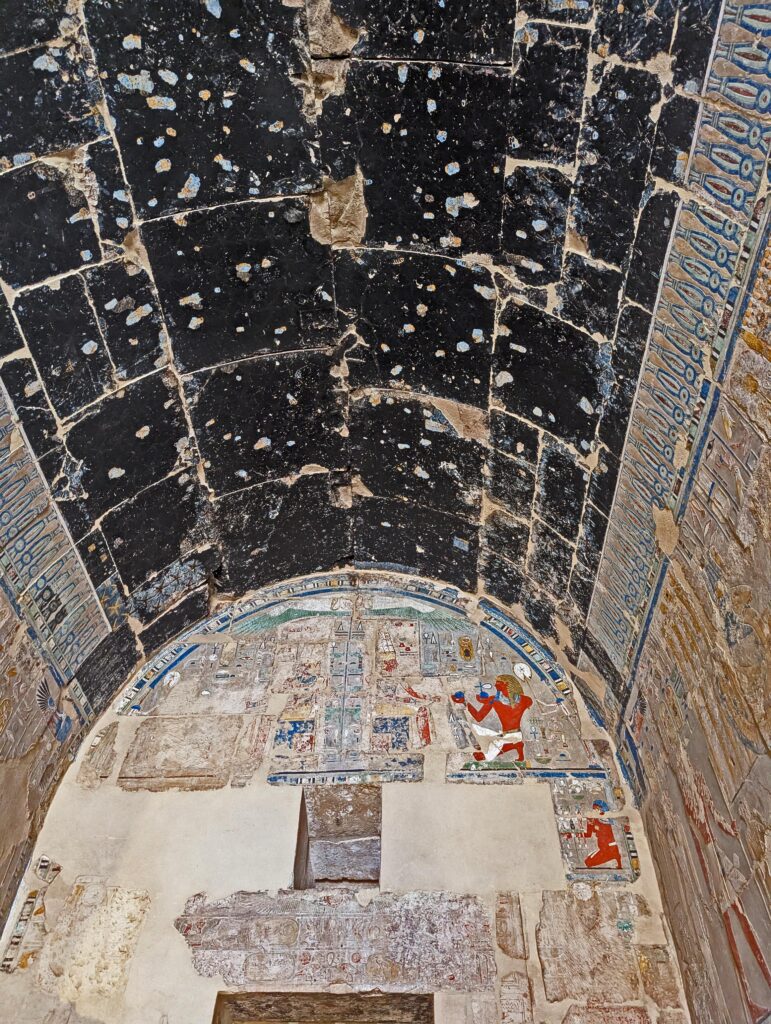
If you were kicking around 5000 years ago, do you suppose you’d figure out how to make blue paint?
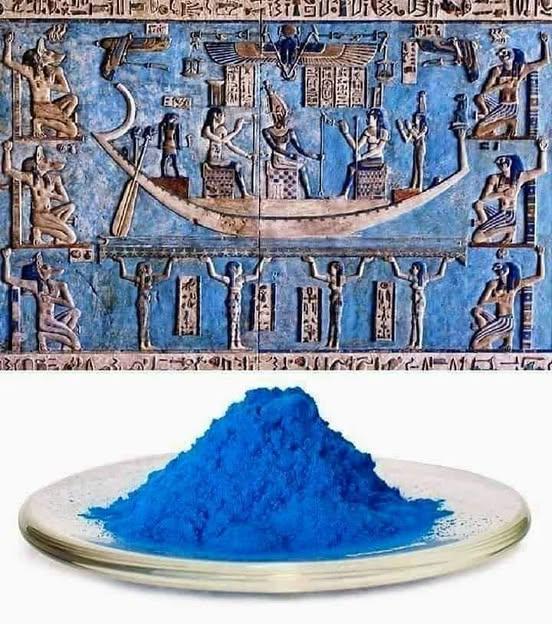
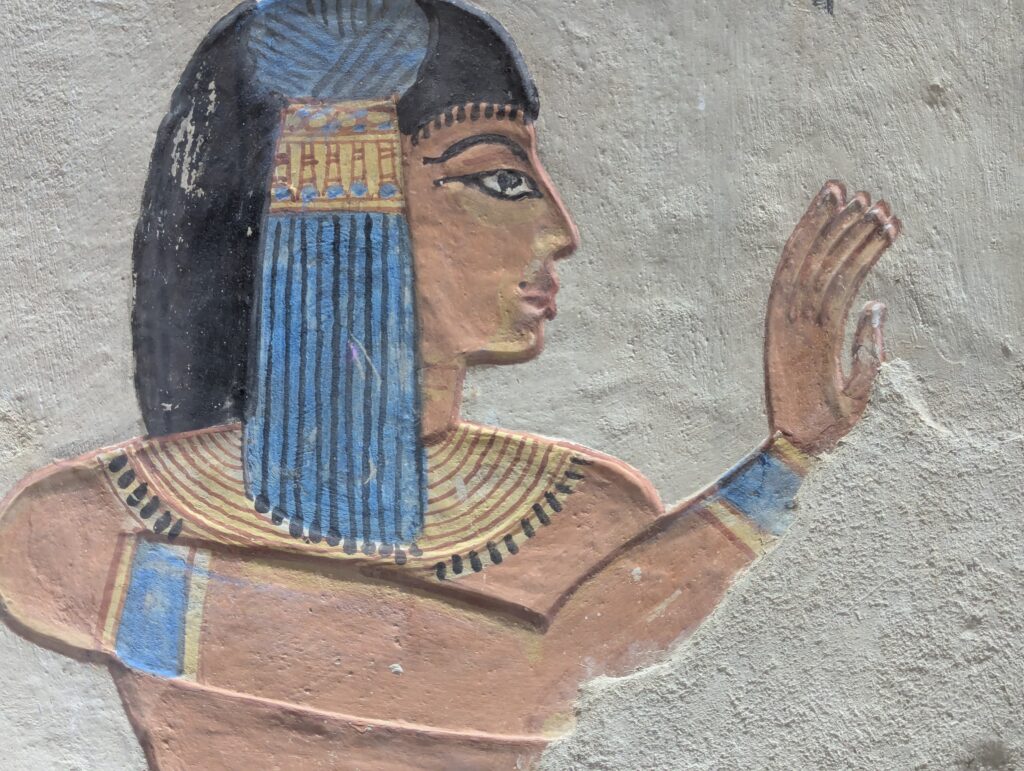
Egyptian blue (also known as cuprorivaite) was made from ground limestone mixed with sand and a copper-containing mineral, such as azurite or malachite, which was then heated between 1470 and 1650°F. The result was an opaque blue glass which then had to be crushed and combined with thickening agents such as egg whites to create a long-lasting paint or glaze.
The oldest known example of the pigment dates from about 5000 years ago and was found in the painting of a tomb of the reign of Ka-Sen, the last Pharaoh of the first dynasty.
Valley of the Kings
We started at Valley of the Kings where I entered these tombs. (Click an image to open large version in a carousel.)
KV8 – Tomb of Merenptah: circa 1213 – 1203 B.C.
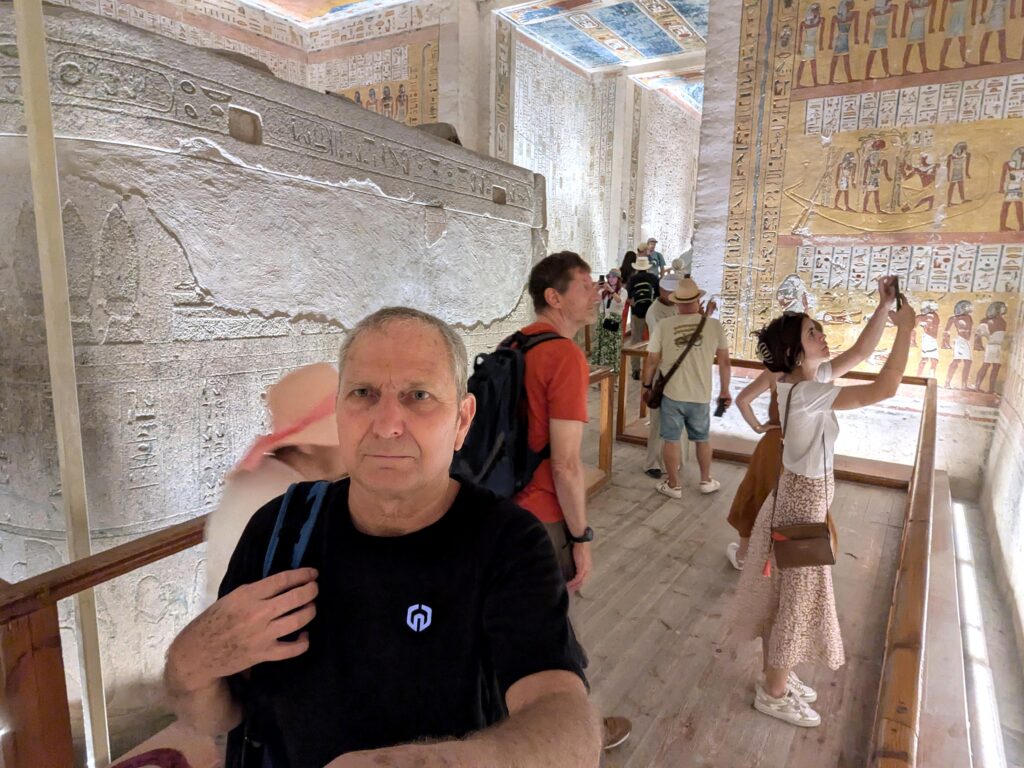
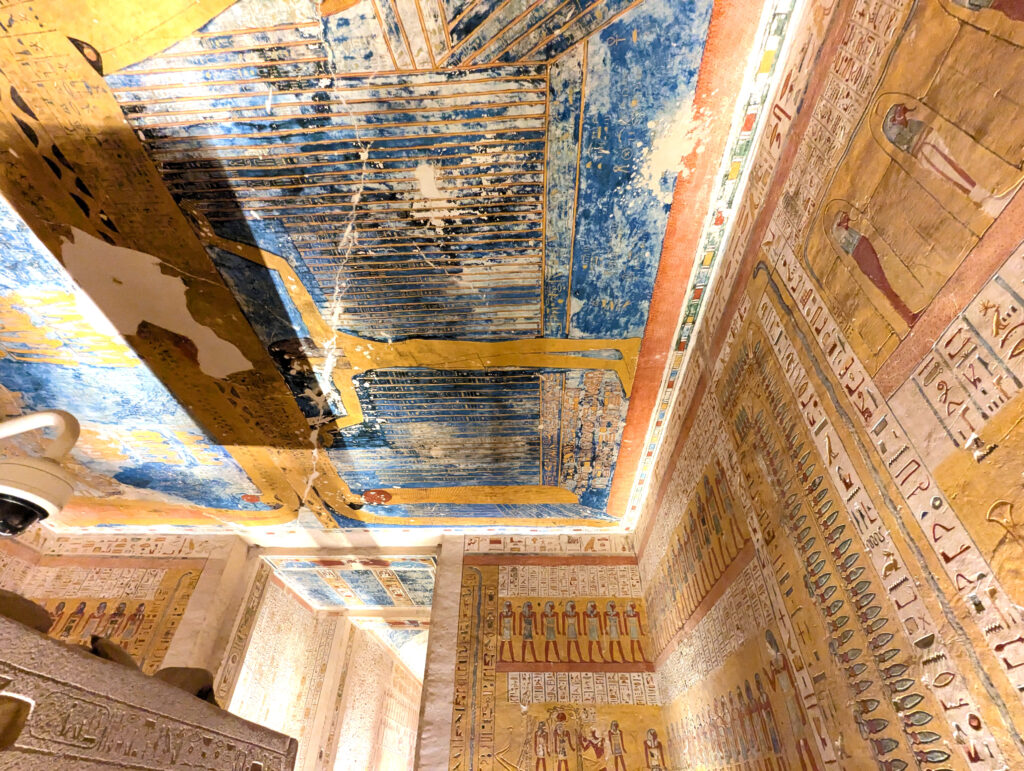
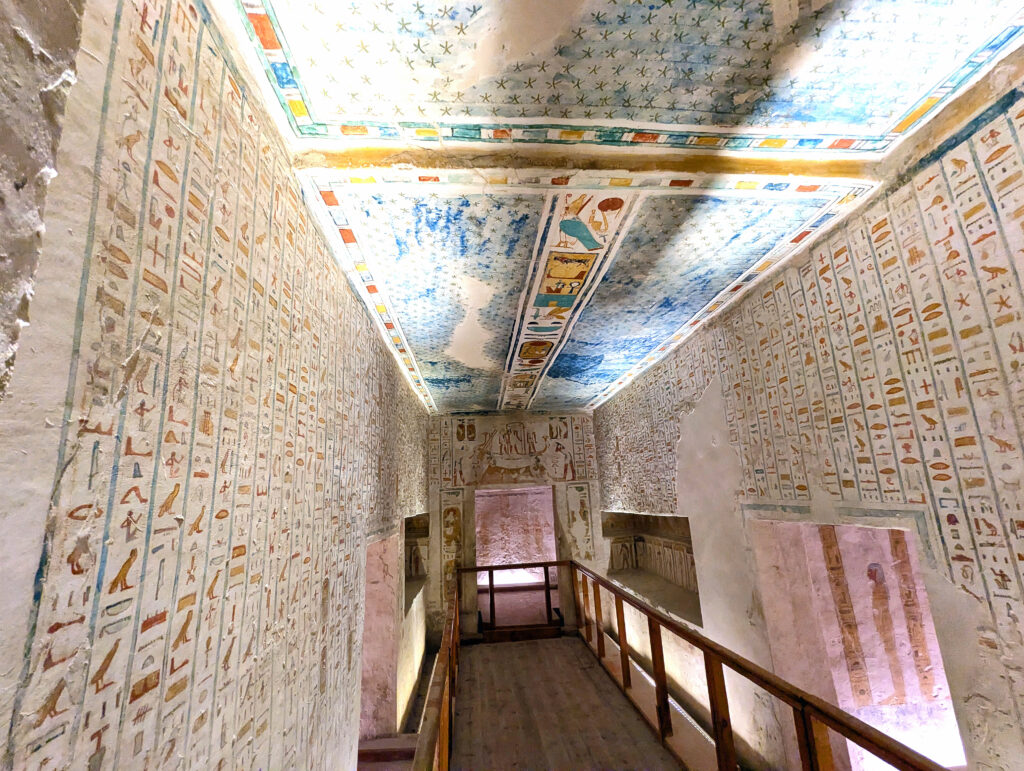
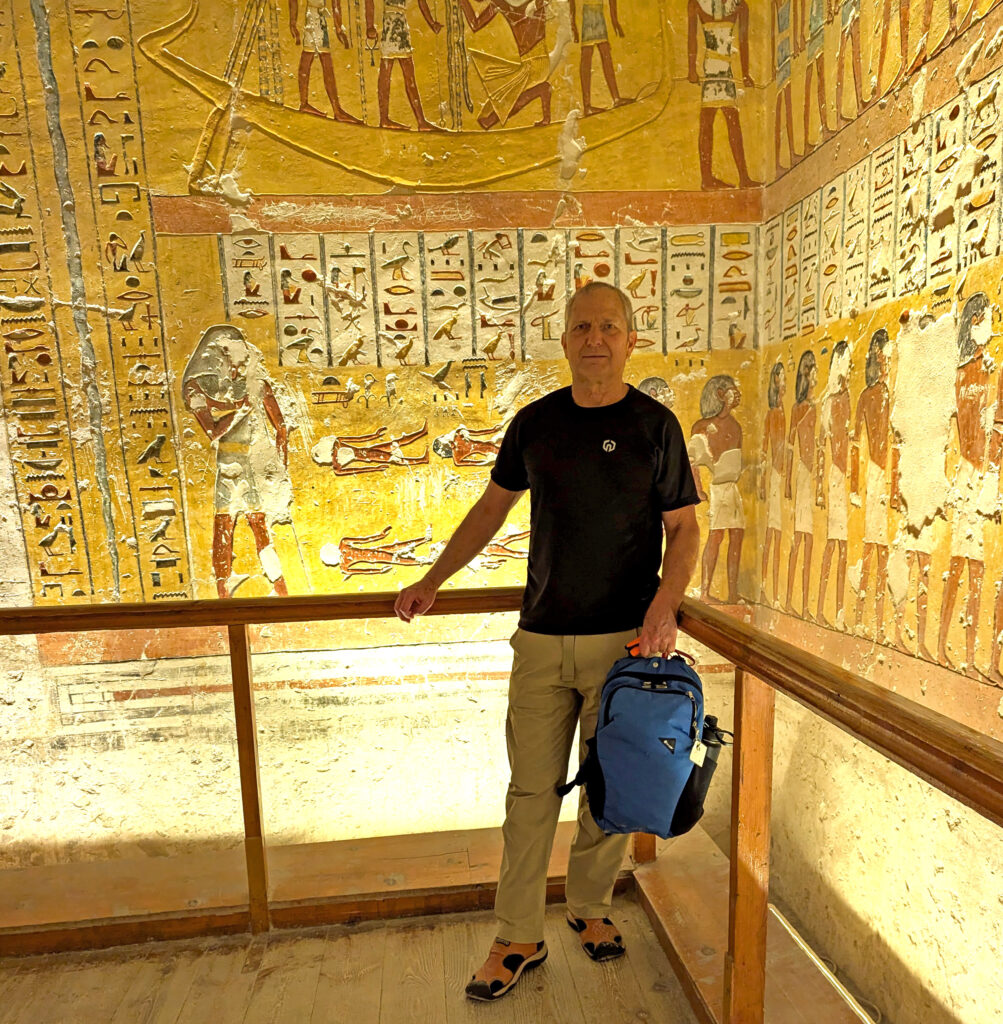
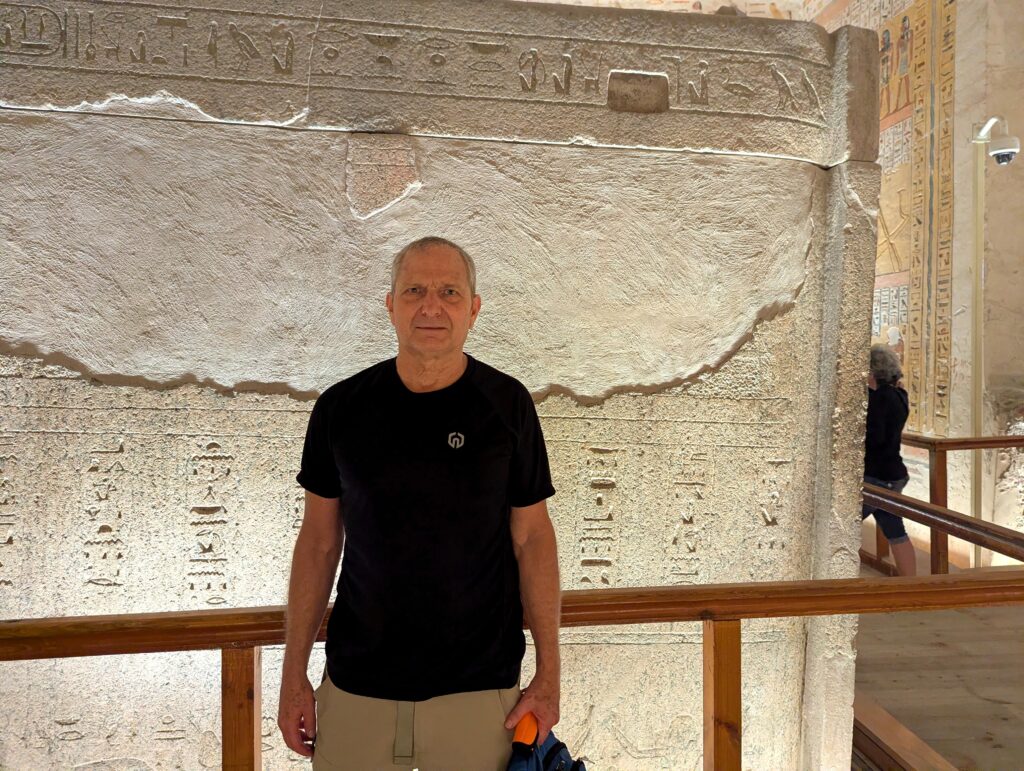
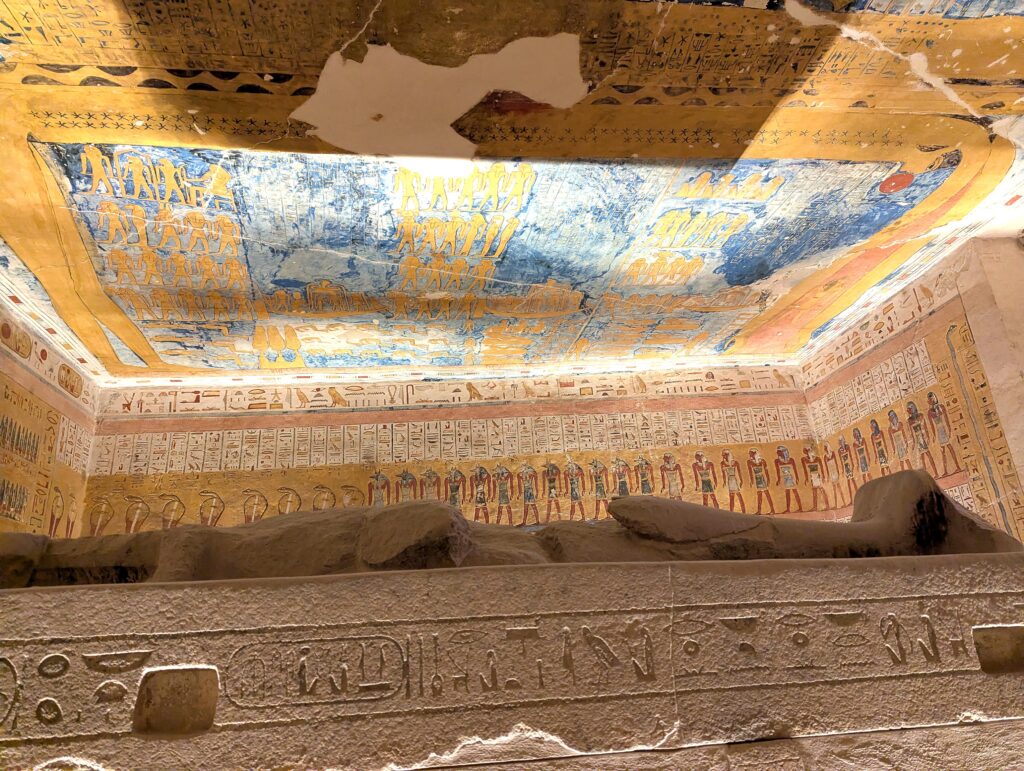
This tomb belongs to Pharaoh Merenptah, the 13th son of Ramesses II, who ruled Egypt for about 10 years during the 19th Dynasty. The tomb is known for early hieroglyphic graffiti and well-preserved wall decorations depicting the king’s victory over the Libyans and Sea Peoples, important for understanding Egypt’s military history at that time.
KV16 – Tomb of Ramesses I: circa 1292 – 1290 B.C.
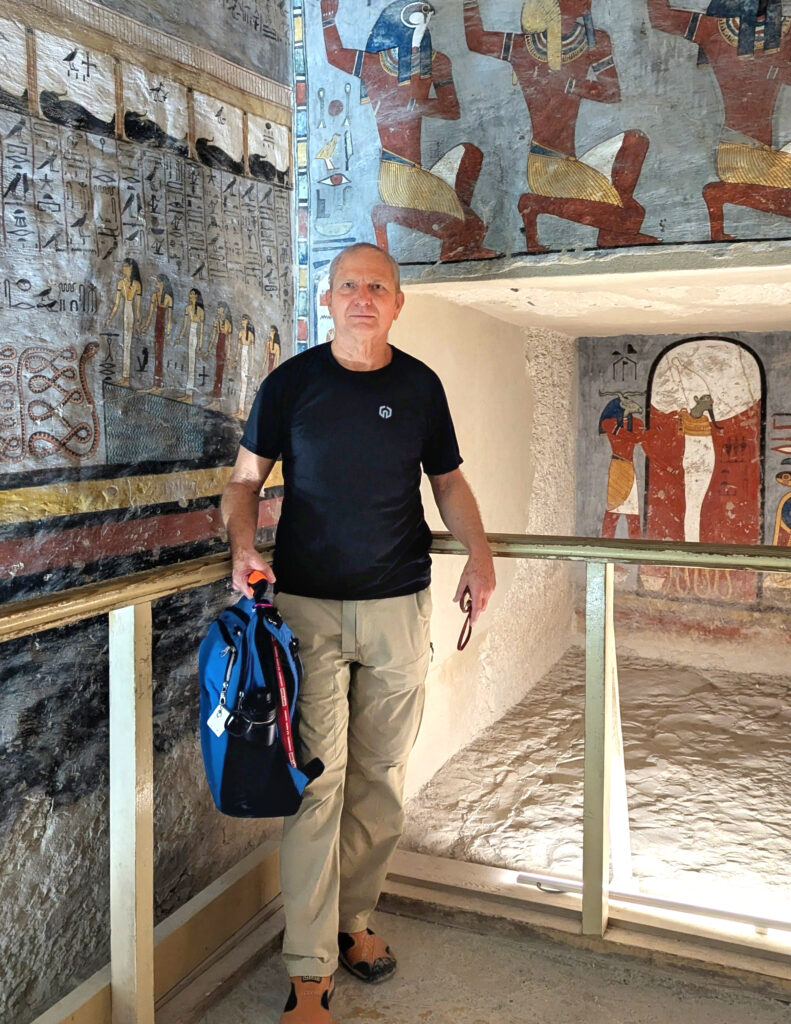
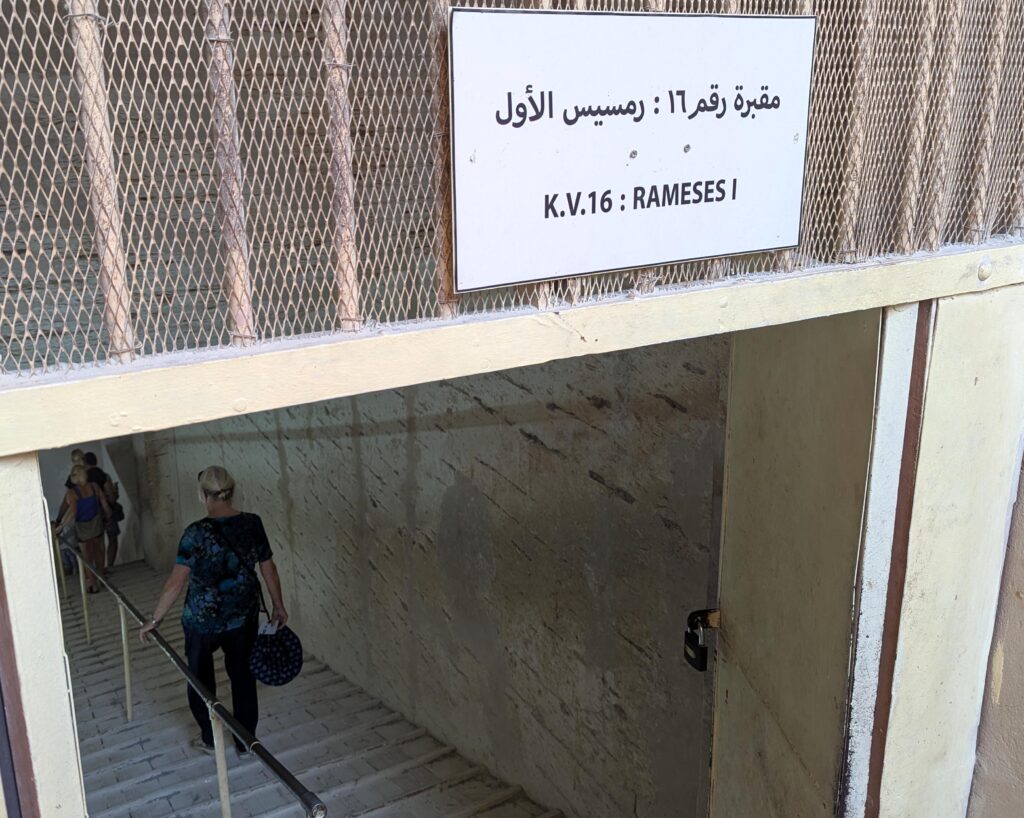
The tomb of Ramesses I, founder of the 19th Dynasty, is noted for its relatively small and unfinished state, reflecting his short reign. Discovered in 1817, it contains distinctive red quartzite sarcophagus and well-preserved Book of Gates wall paintings, significant for pharaonic burial practices.
KV11 – Tomb of Ramesses III: circa 1186 – 1155 B.C.
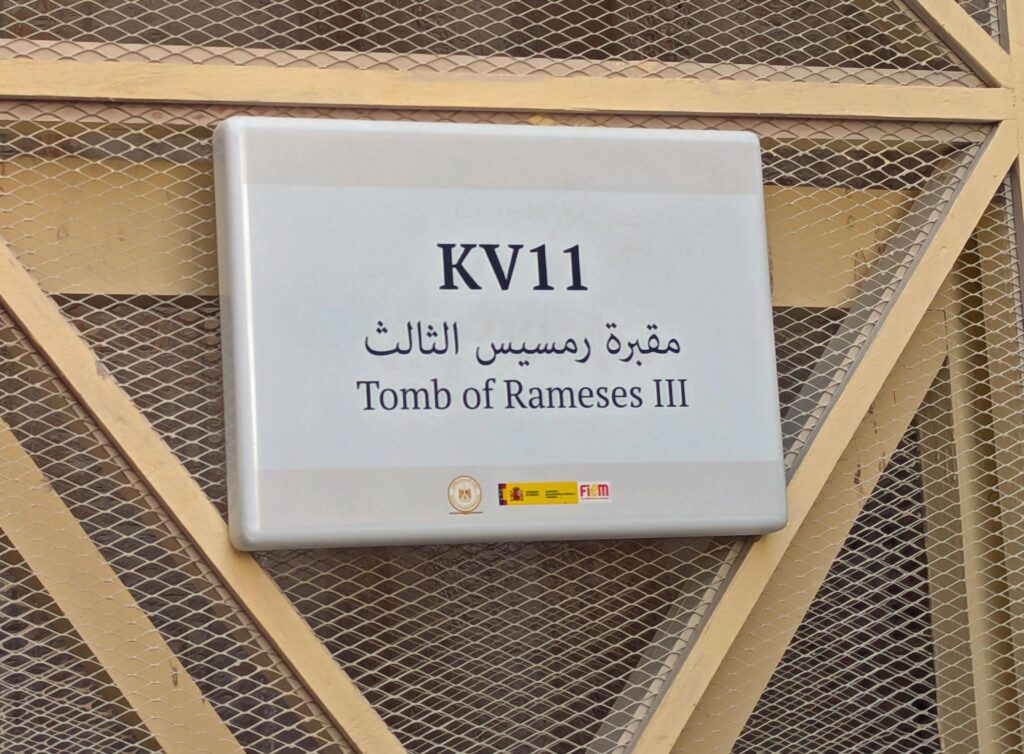
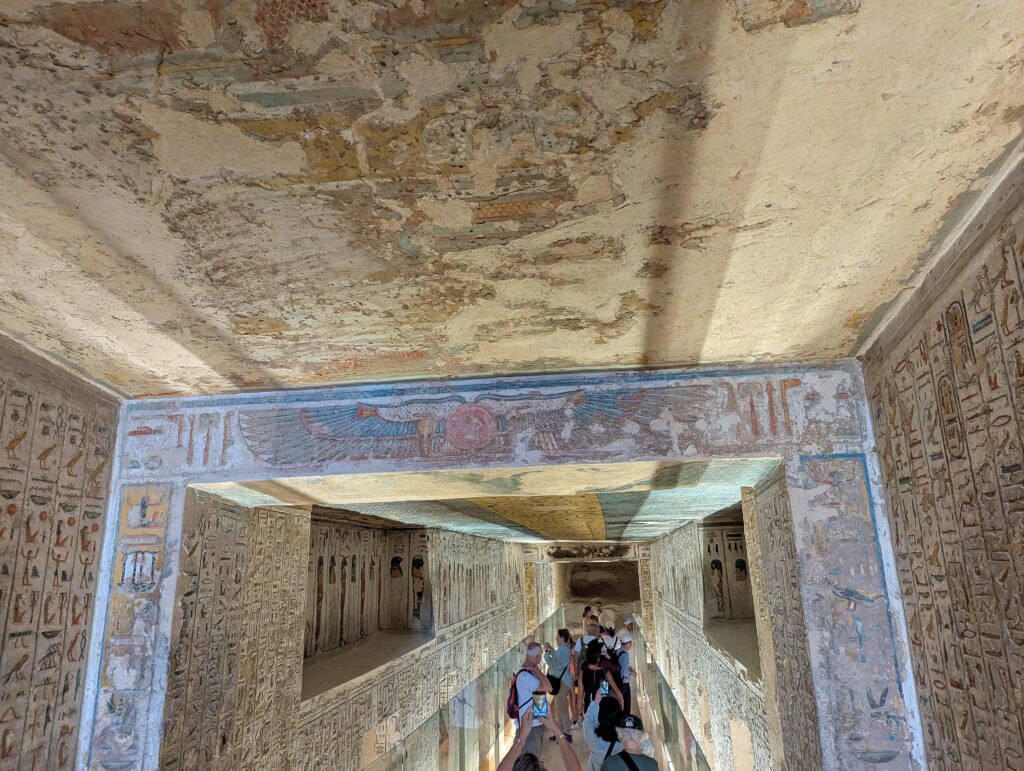
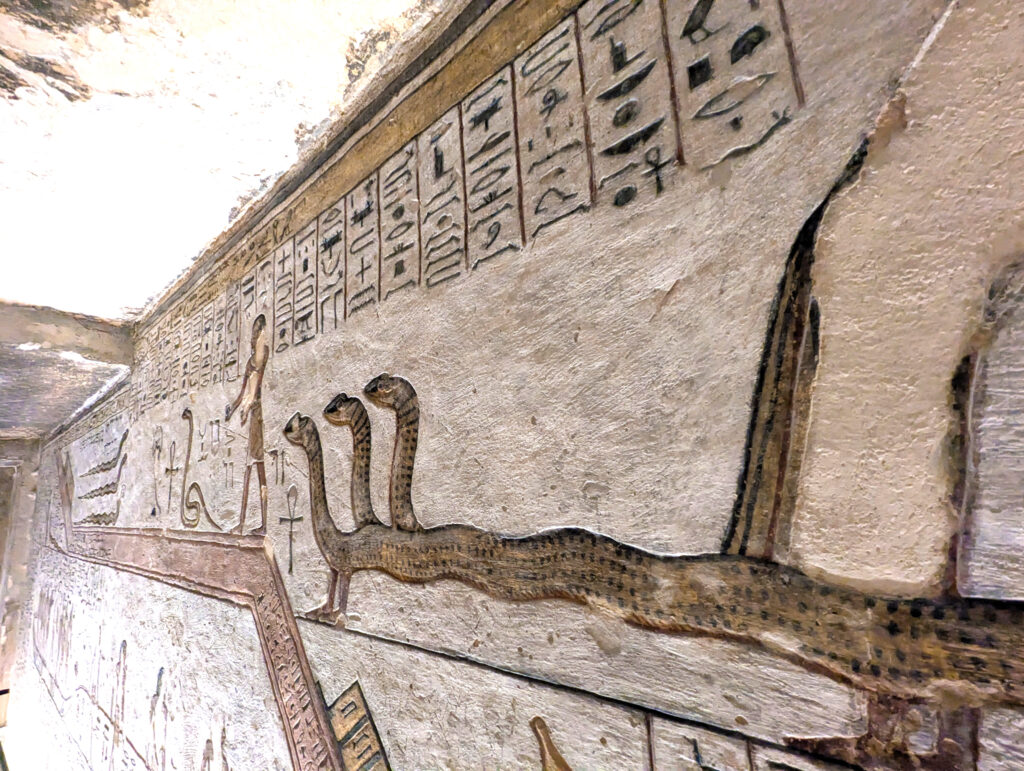
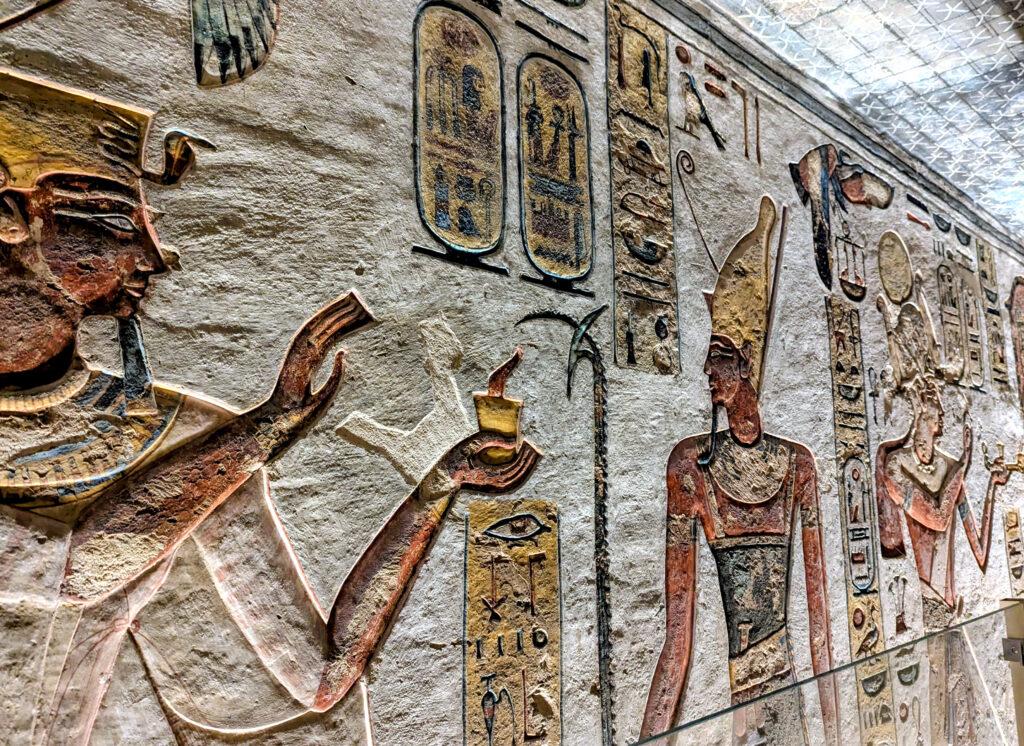
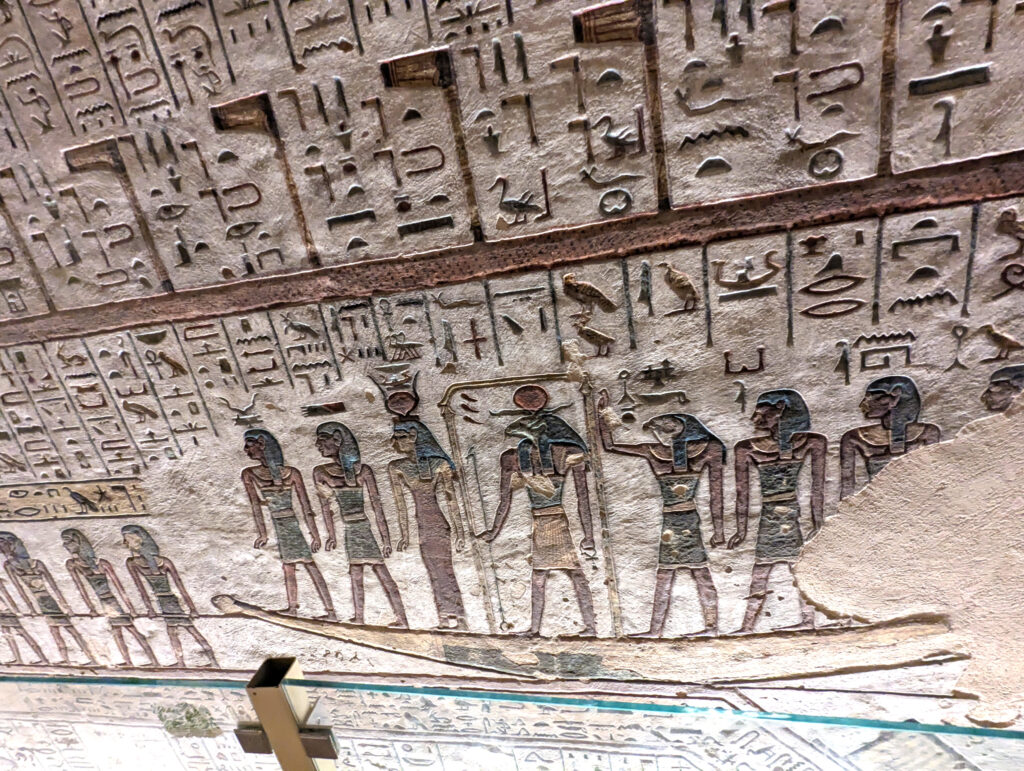
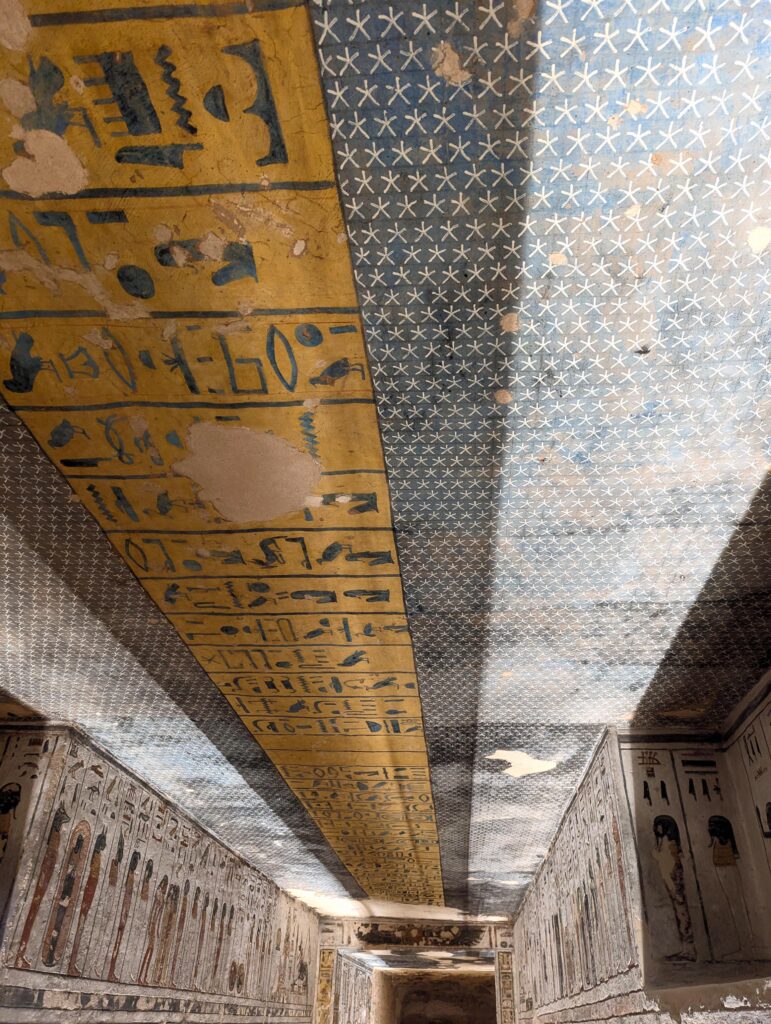
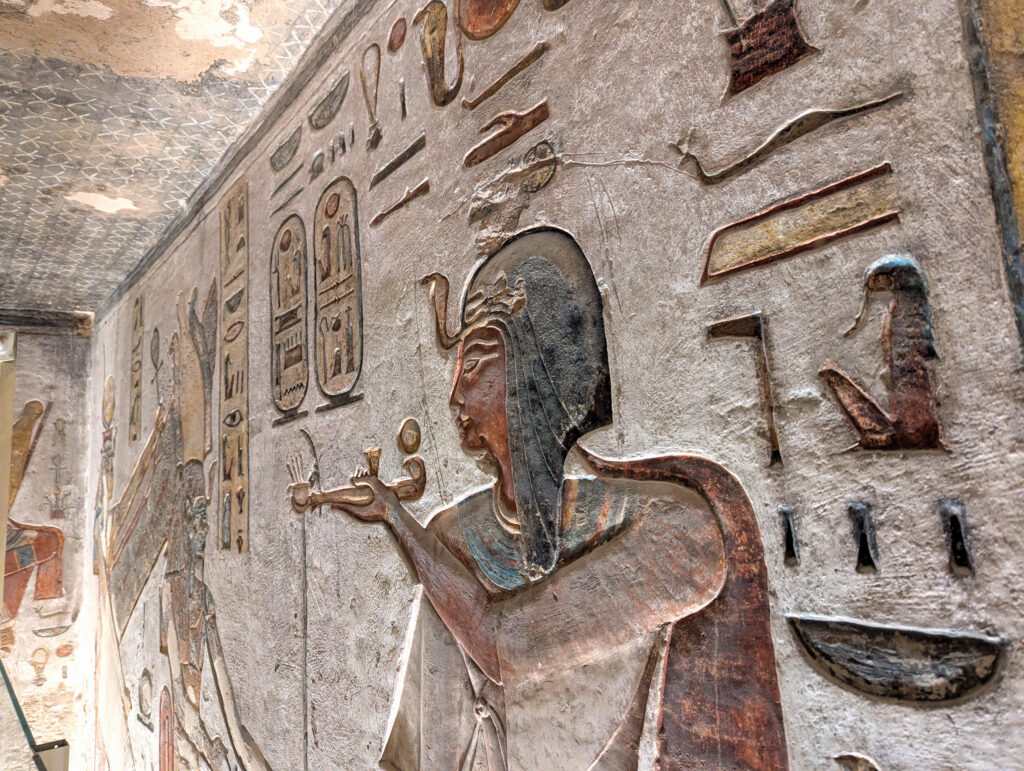
One of the largest and most richly decorated tombs in the Valley of the Kings, KV11 belonged to Ramesses III, who reigned during the 20th Dynasty and faced major external threats. The tomb’s elaborate reliefs and decorations document religious texts and scenes of the king’s divine protection and military exploits.
KV9 – Tomb of Ramesses VI: circa 1145 – 1137 B.C.
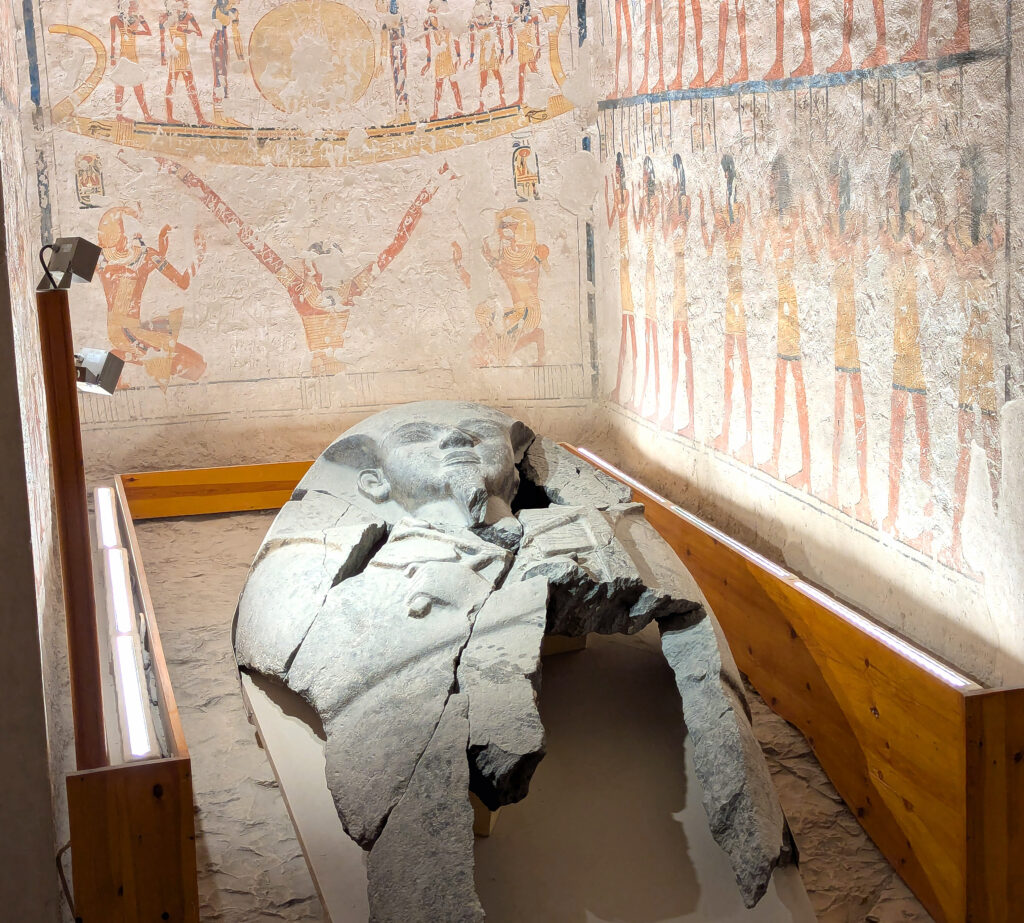
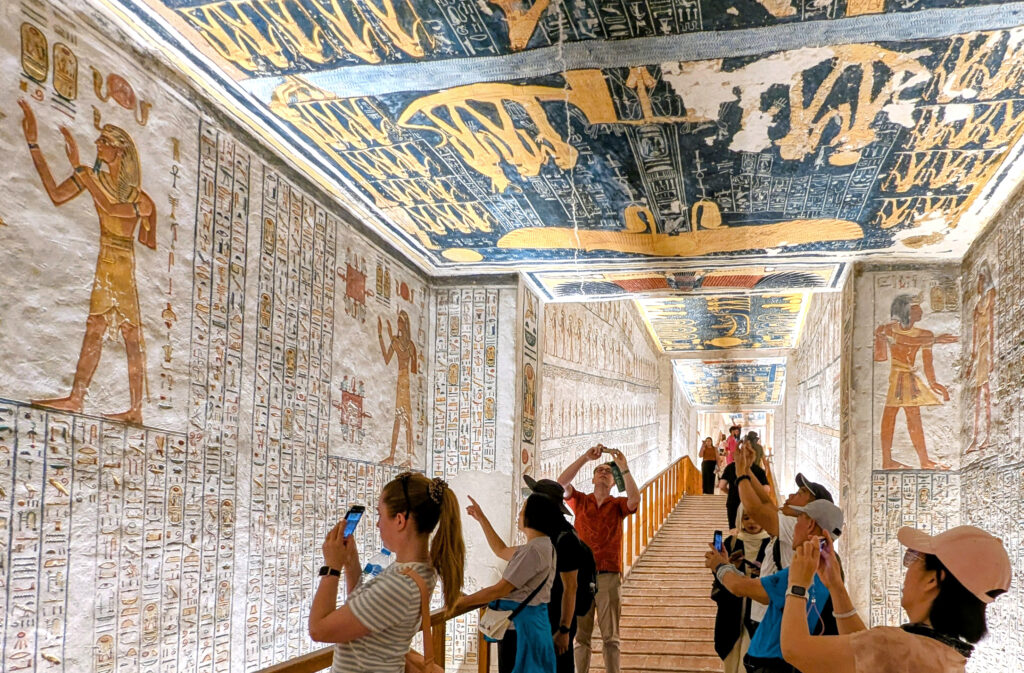
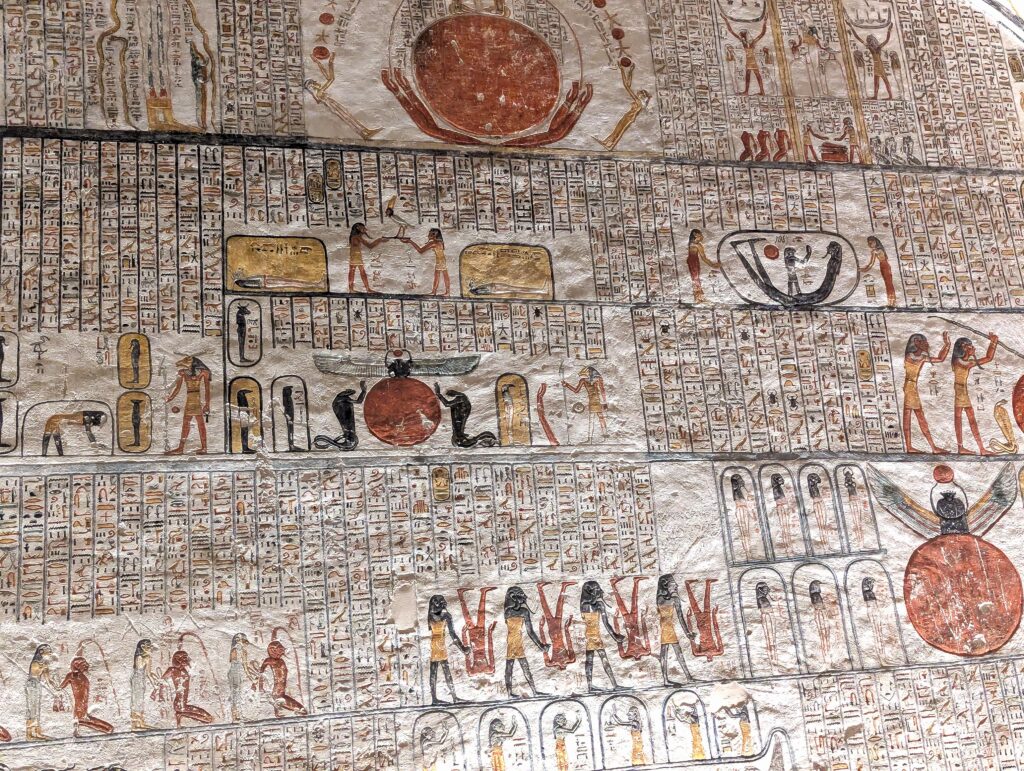
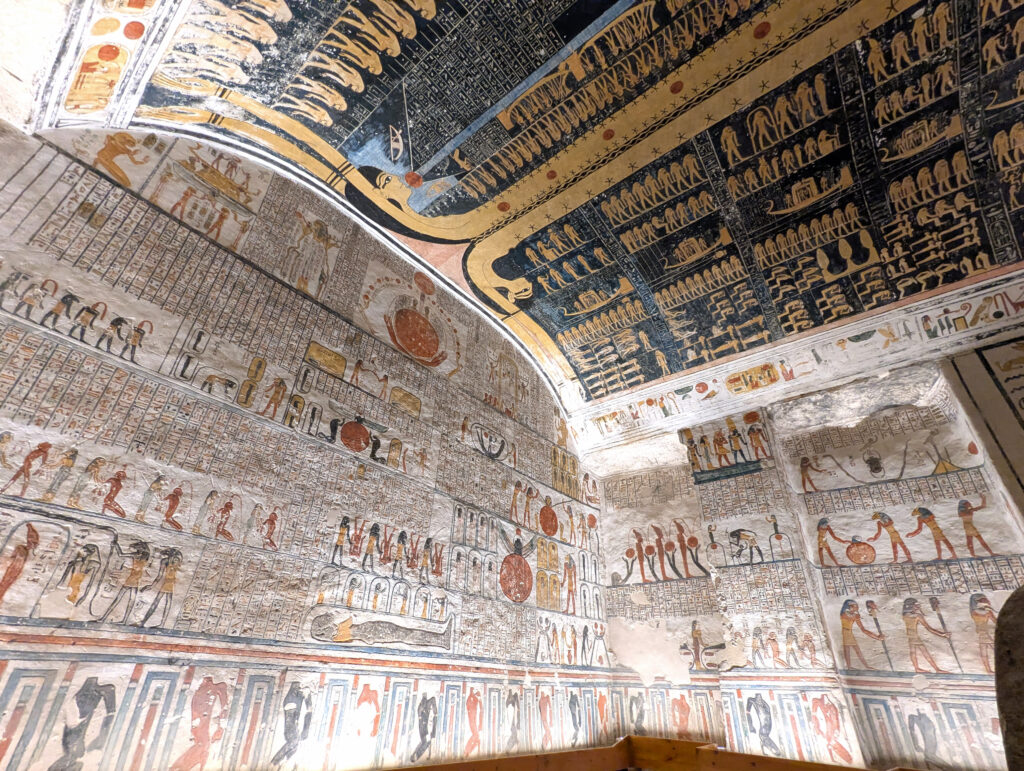
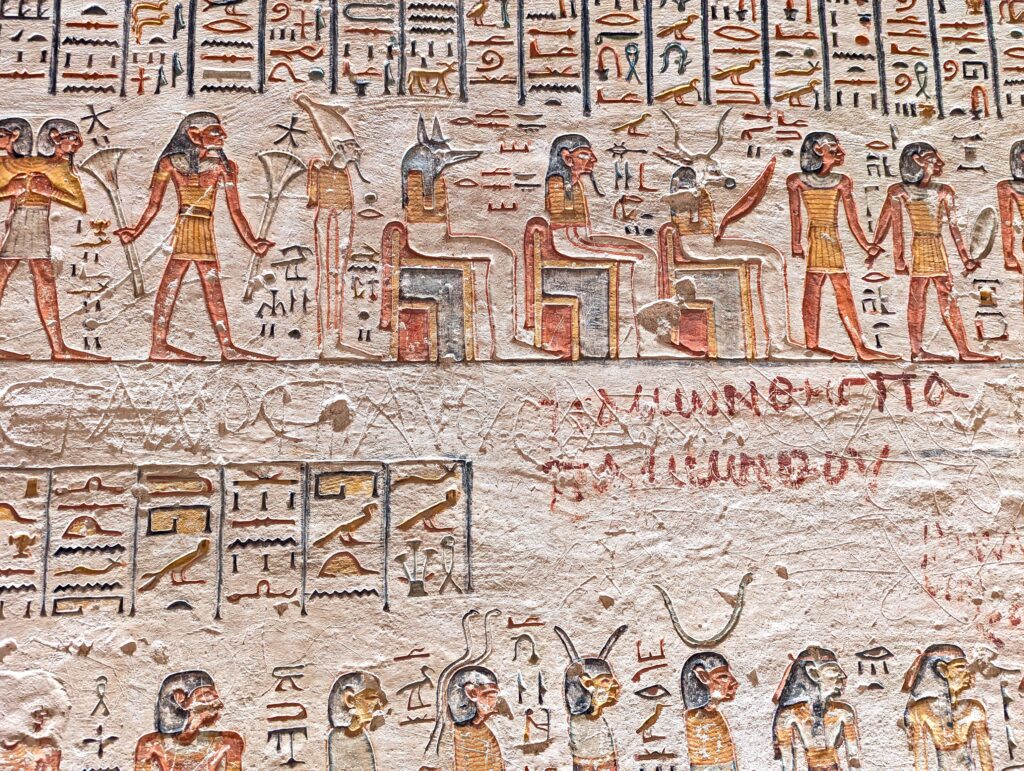
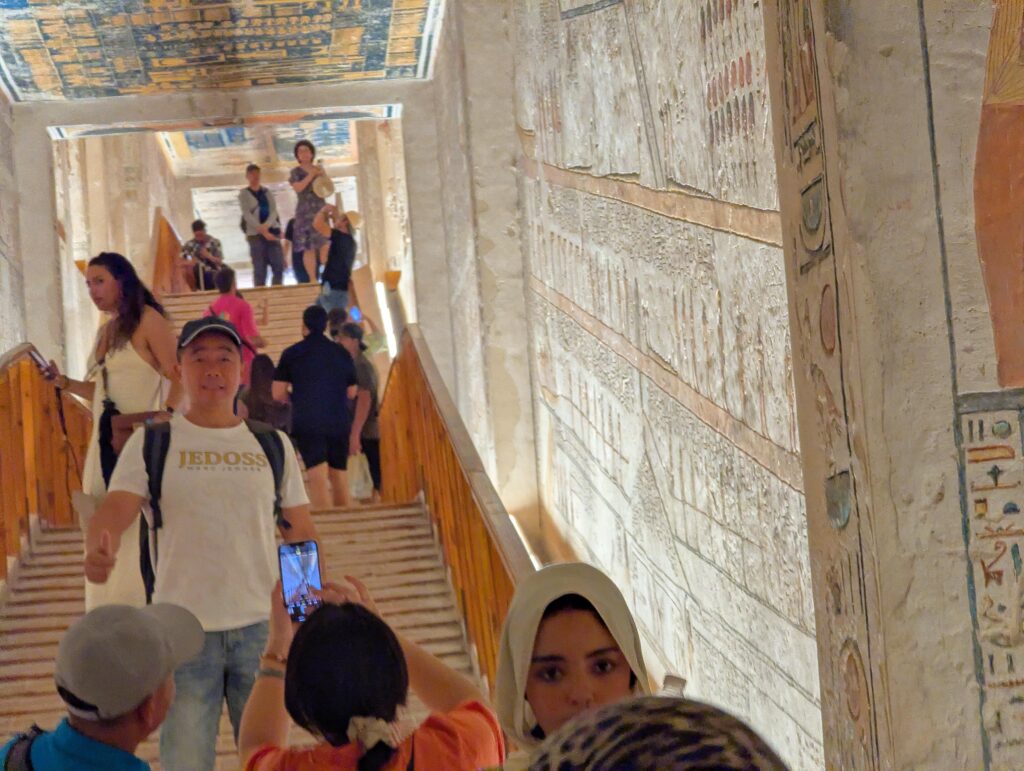
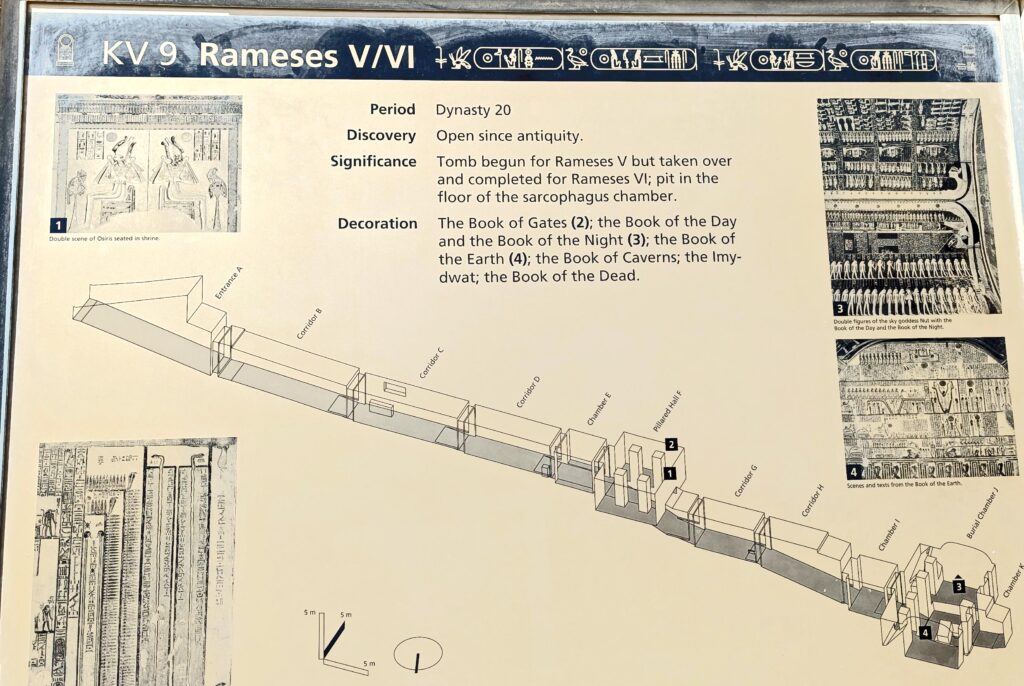
KV9 is a large tomb originally intended for Ramesses V but completed and used by Ramesses VI. It is known for extensive religious texts such as the Book of Gates and the Book of Caverns that cover the walls, and remarkable craftsmanship in decoration, reflecting late New Kingdom funerary art.
KV17 – Tomb of Seti I: circa 1290 – 1279 B.C.
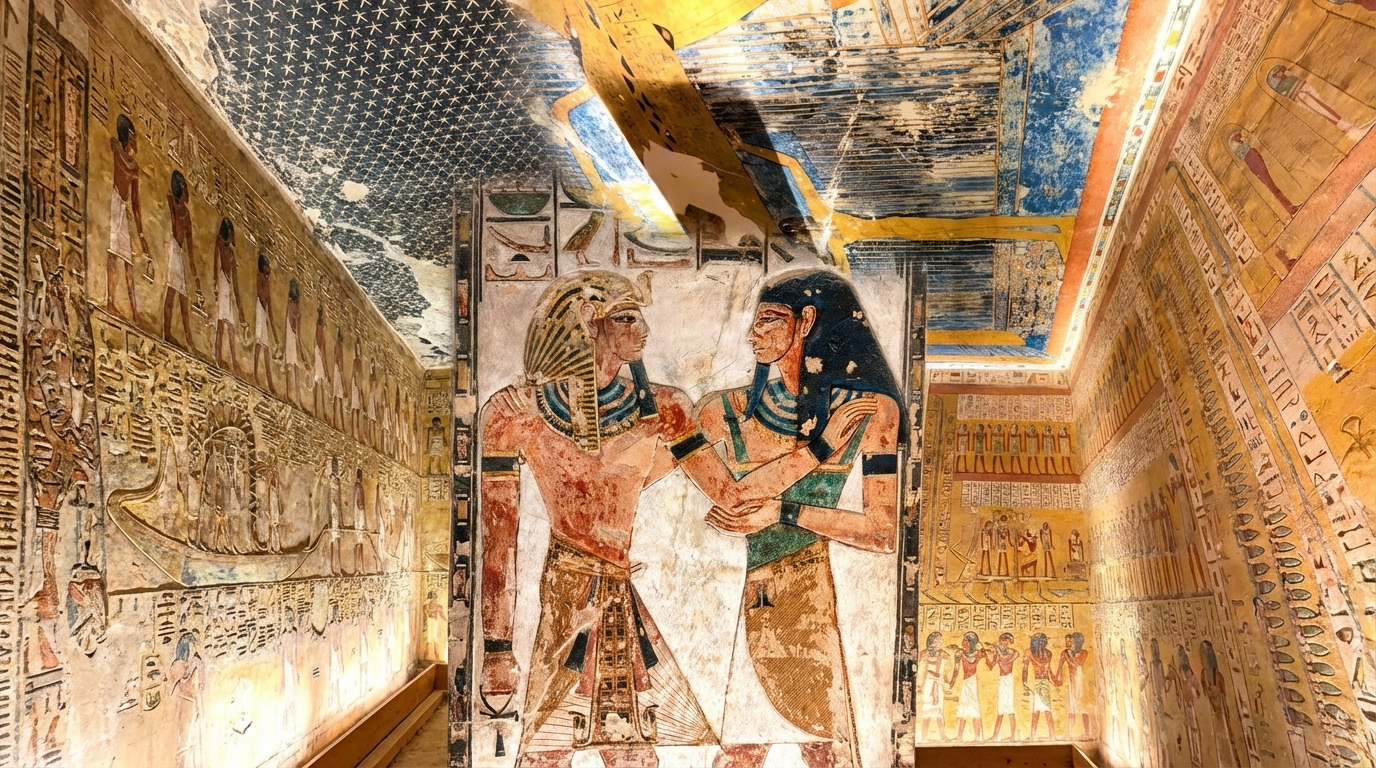
This is one of the most spectacular tombs in the Valley of the Kings, belonging to Seti I, the father of Ramesses II. KV17 is remarkable for its well-preserved and detailed wall paintings illustrating the most complete version of the Book of the Dead and other funerary texts, making it a landmark in Egyptian tomb art [source knowledge].
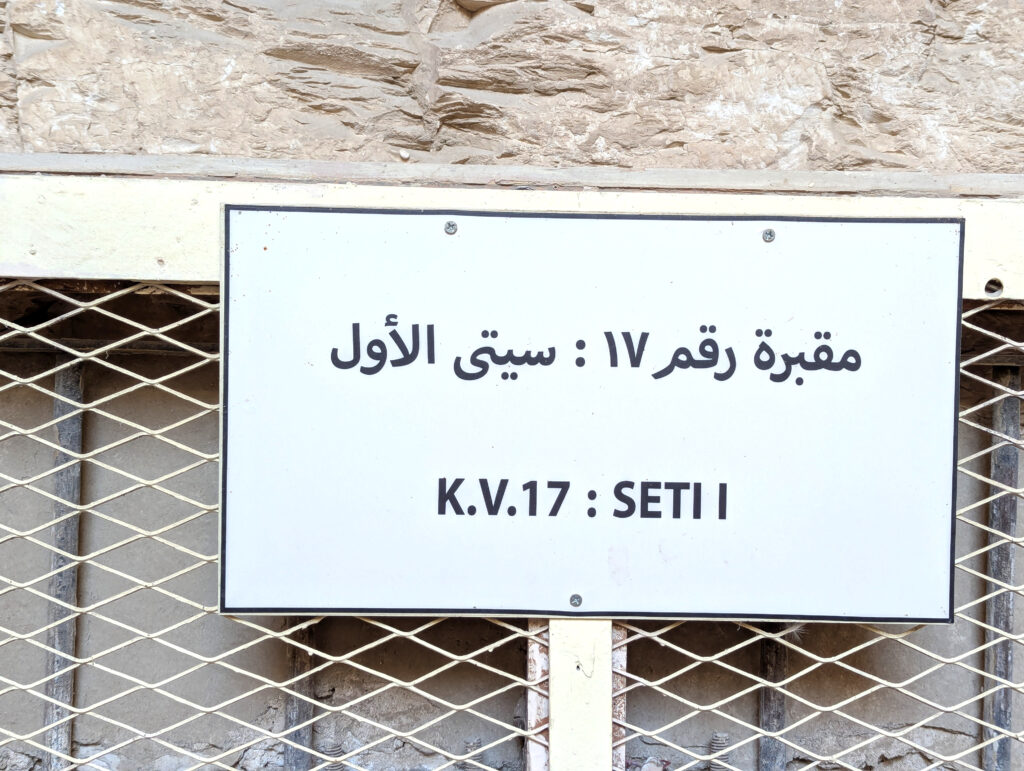
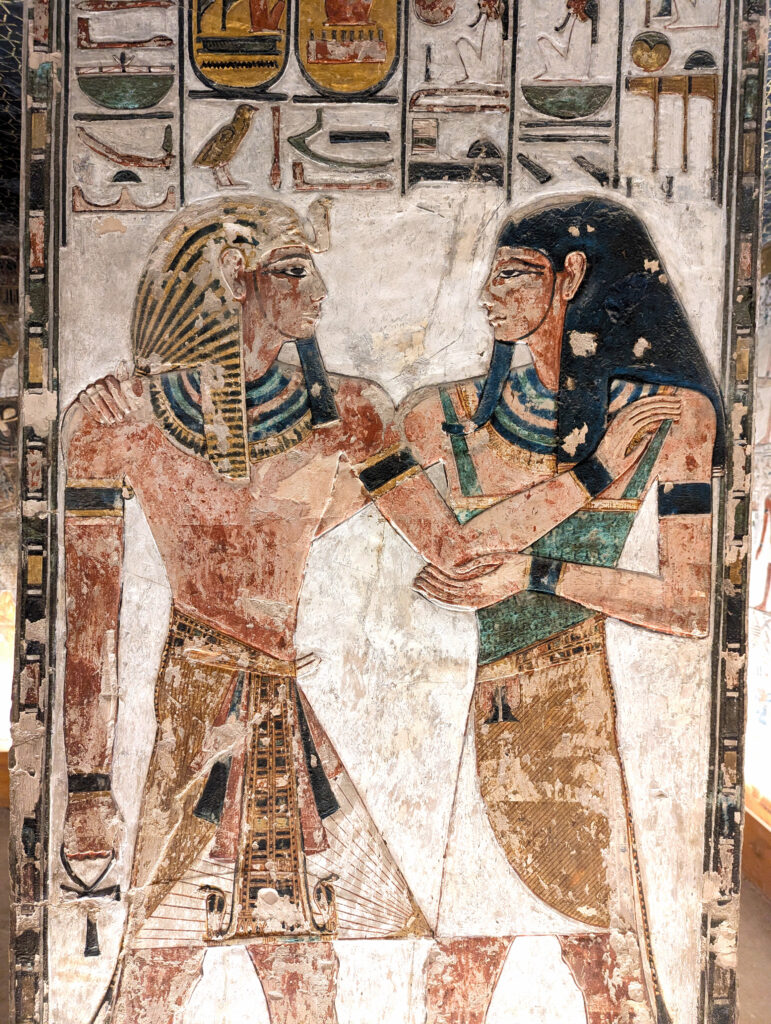
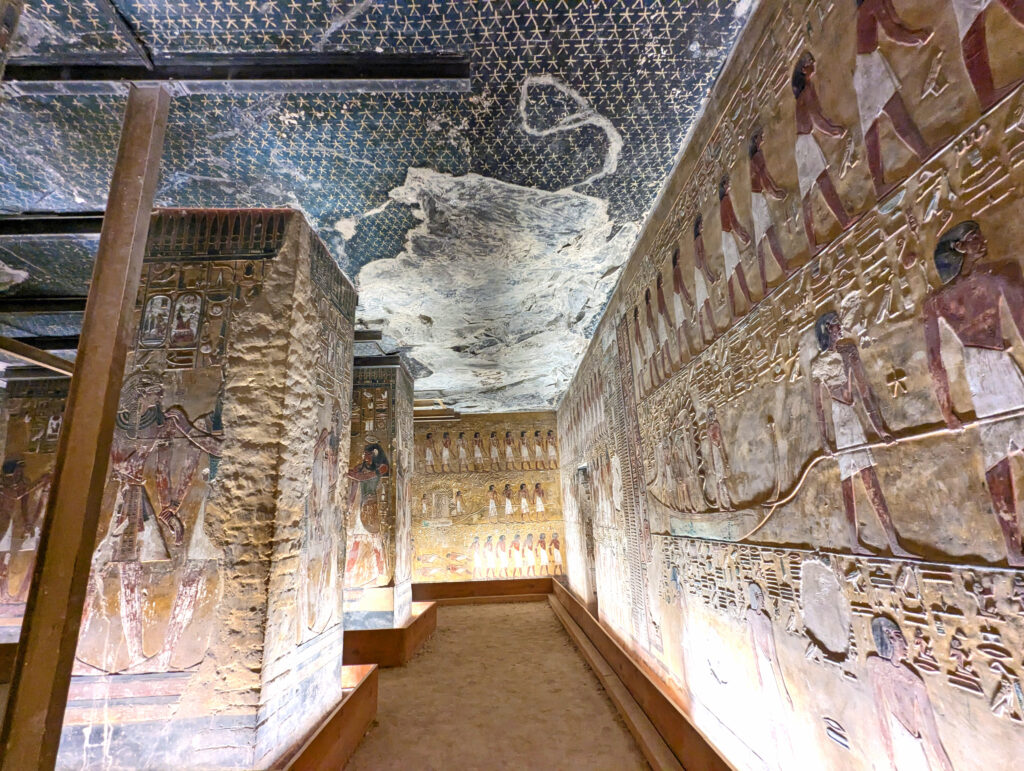
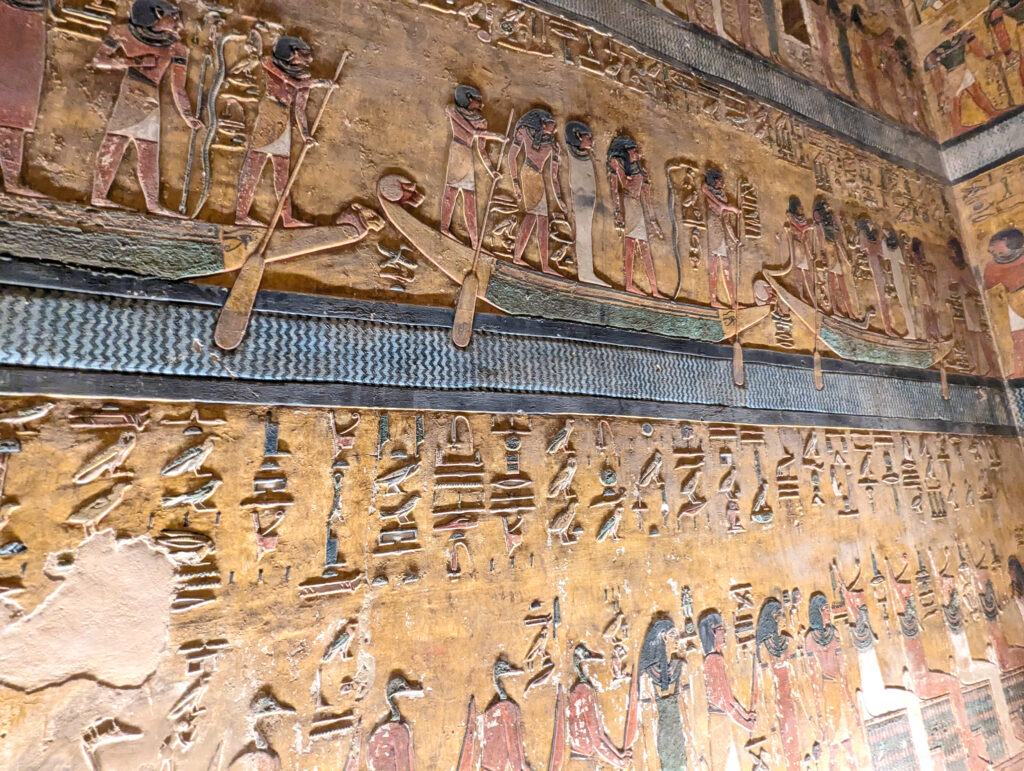
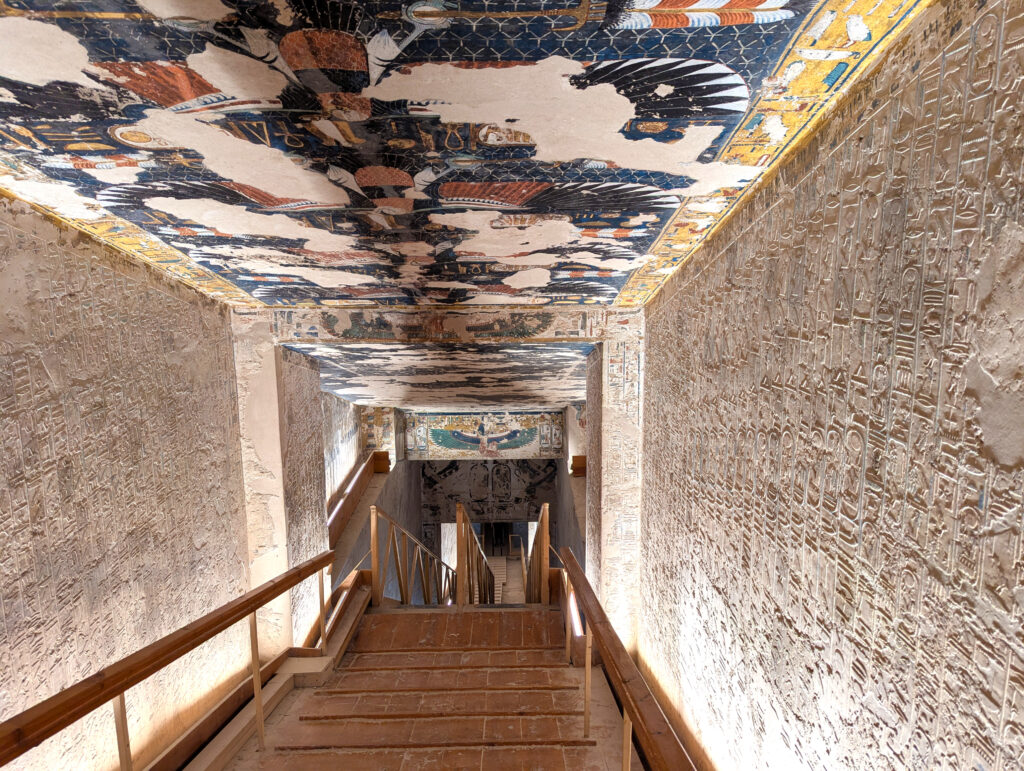
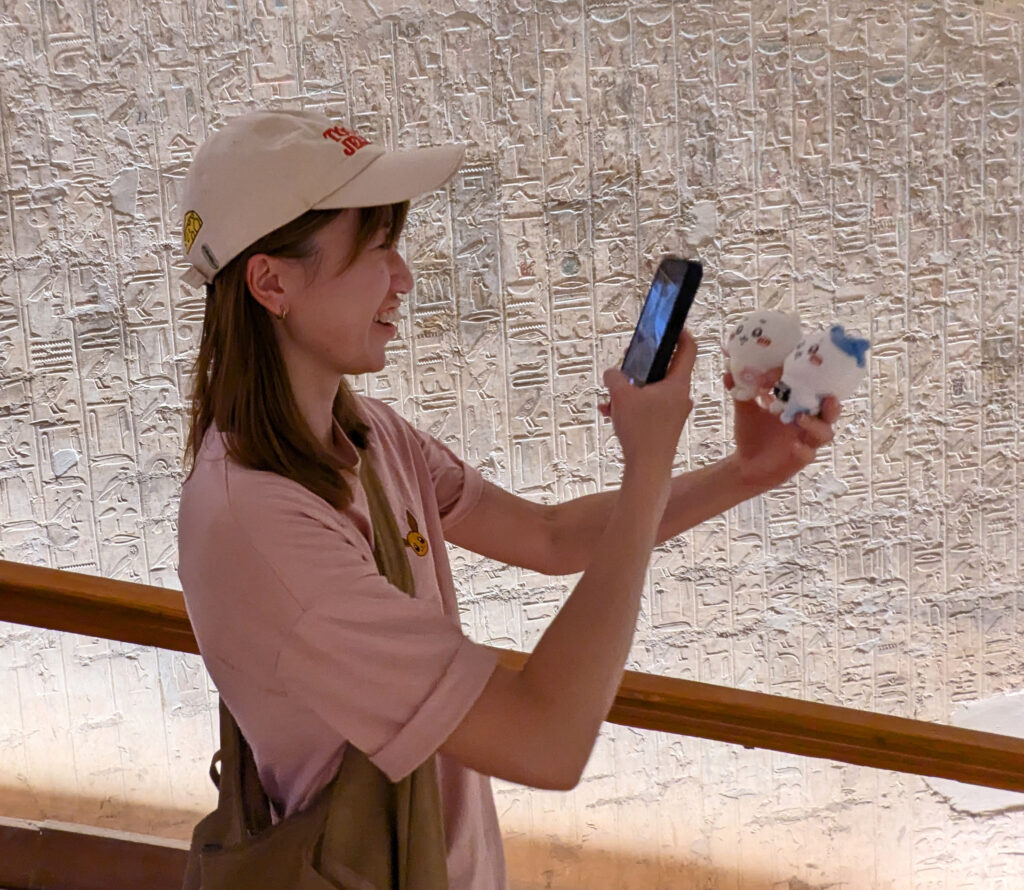
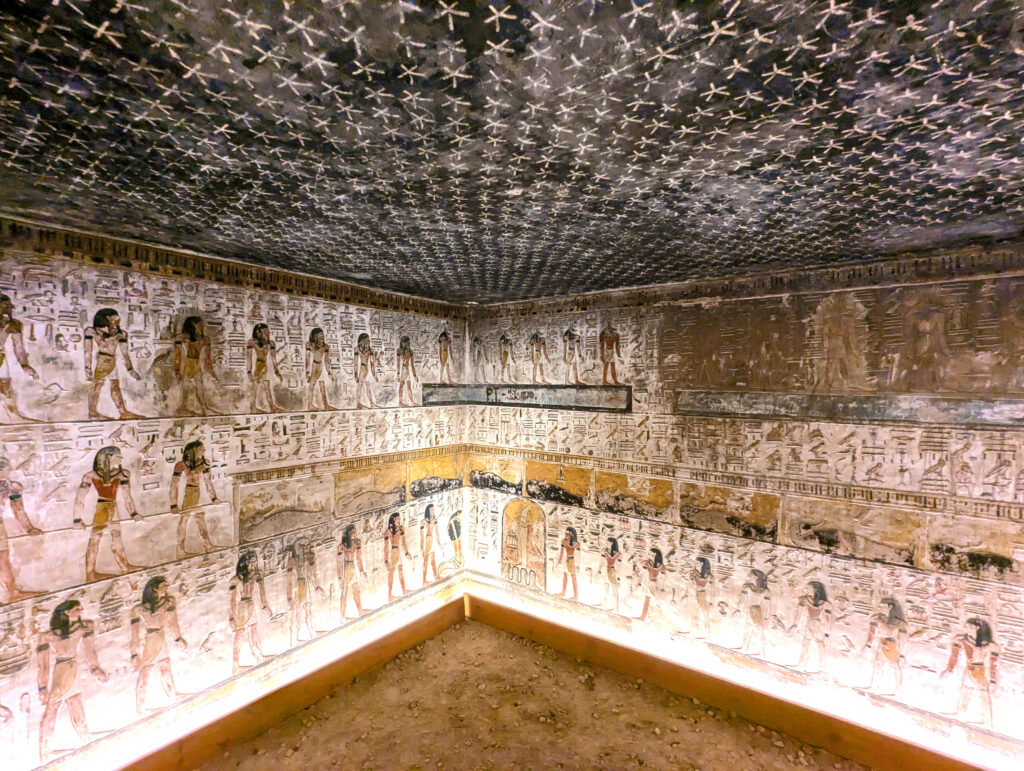
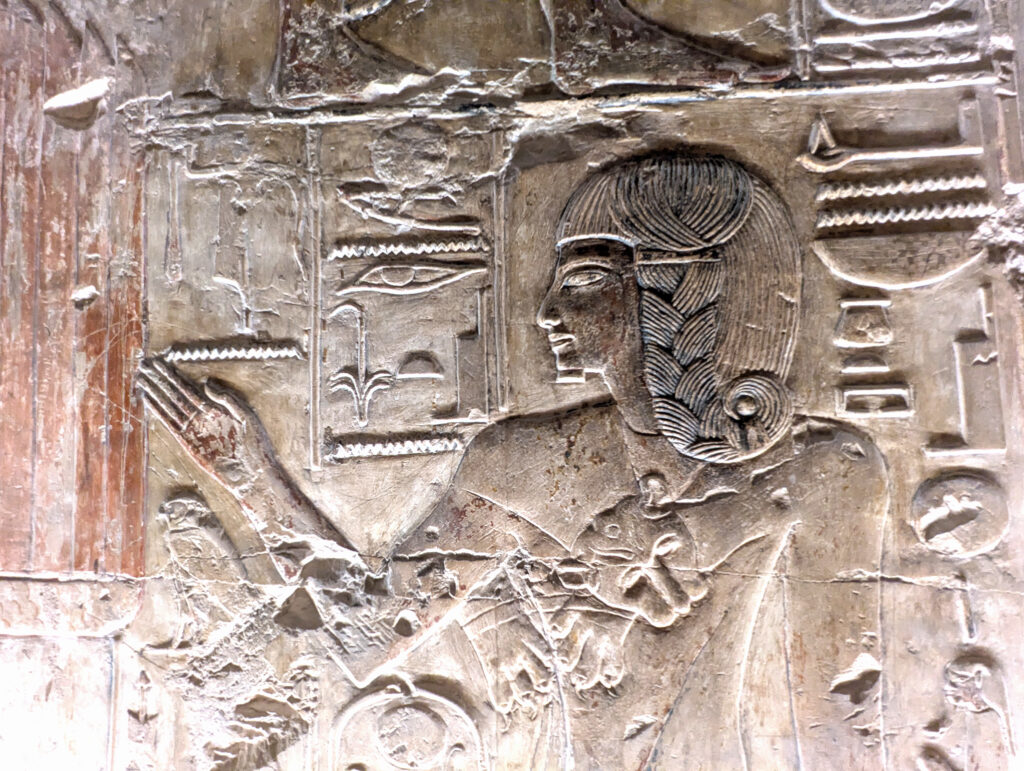
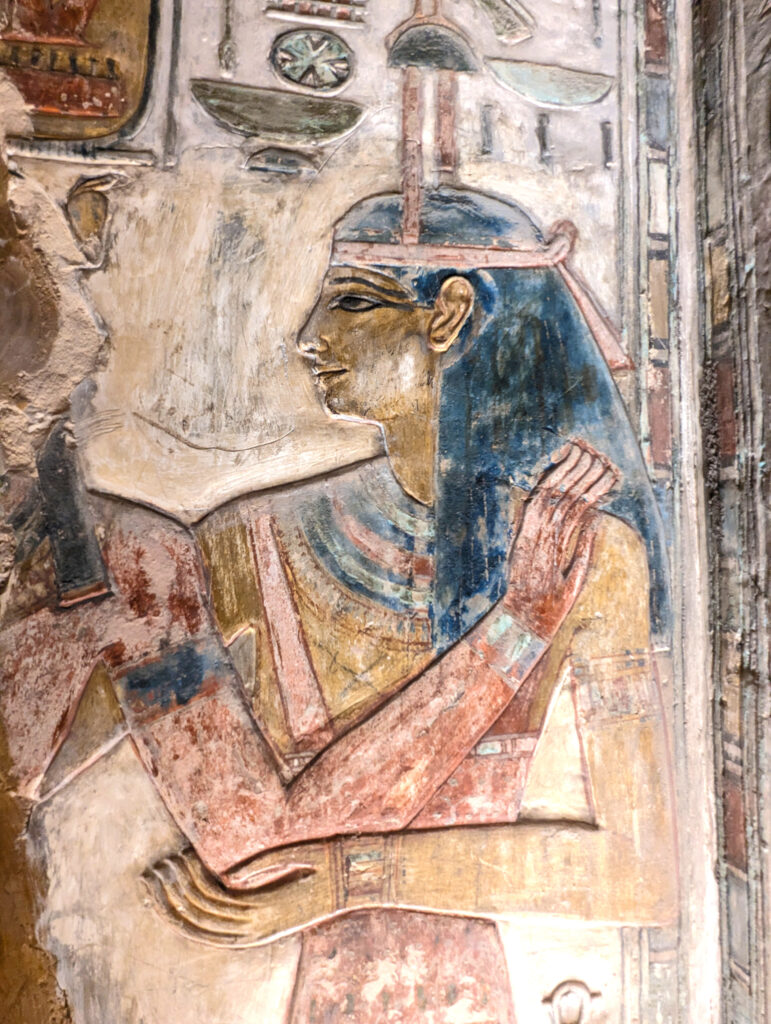
It was an additional $40 to enter KV17 the tomb of Seti I – but it was worth it. I noticed that while prior tomb carvings carved into the rock, these were carved so that the figures stand out as bas-relief style. KV17 is the longest tomb in the Valley of the Kings, with over 450 feet of corridors and chambers. Unlike many other tombs, KV17 retains extensive religious texts and scenes, including the Book of Gates, the Book of the Dead, and Amduat, all depicted with exceptional detail and artistry.
These tombs were buried for 3,000 years and just discovered in the last century, because they were completely sealed from the environment, the 3,000-year-old carvings and often the paint has retained near original quality.
Burials in mountains occurred more recently than the building of the pyramids. The pyramids were an advertisement to “come and raid my tomb.” Burial in mountains worked as we learned when King Tut’s tomb was discovered and excavations are still finding buried treasure.
Consider that these tombs, and the pyramids, were ancient during the times of Jesus.
Hatshepsut Temple at Deir el-Bahari
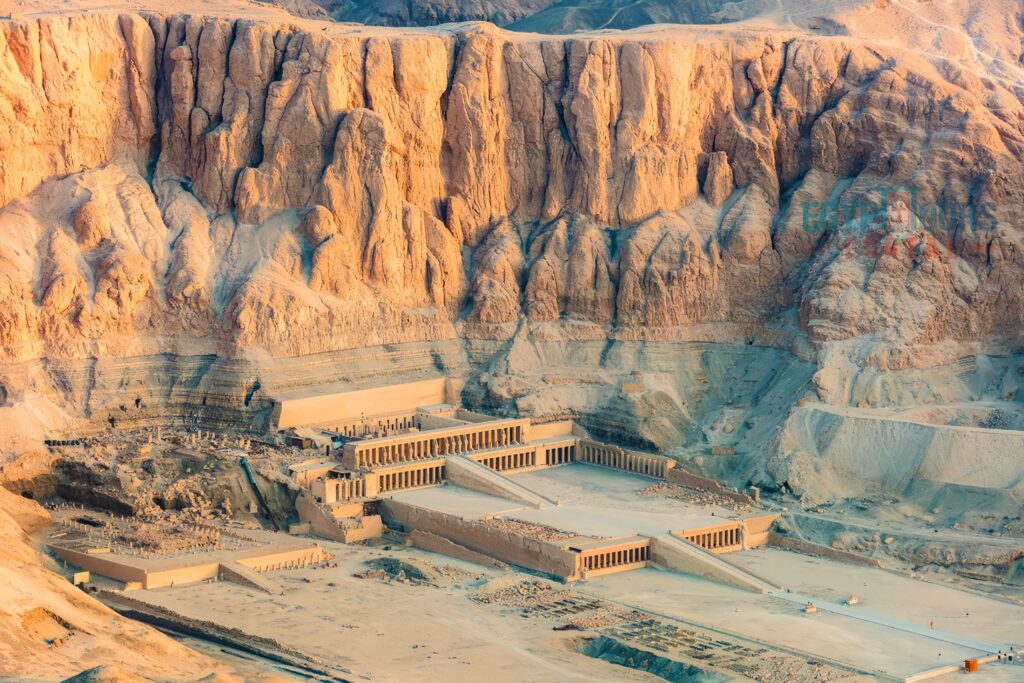
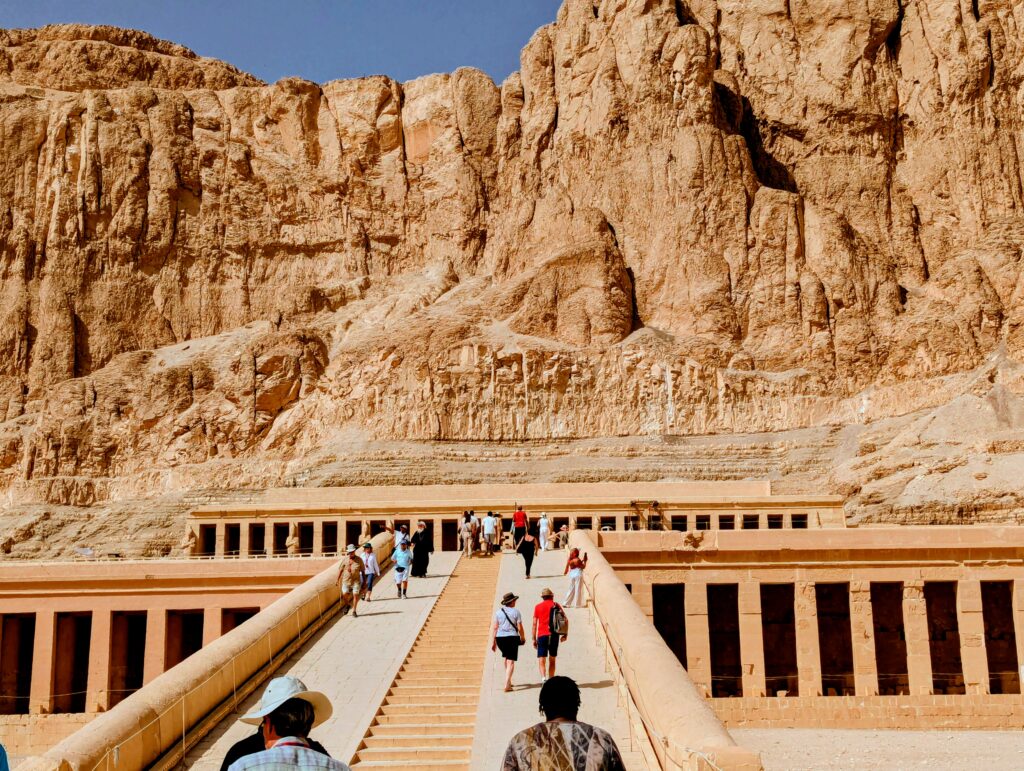
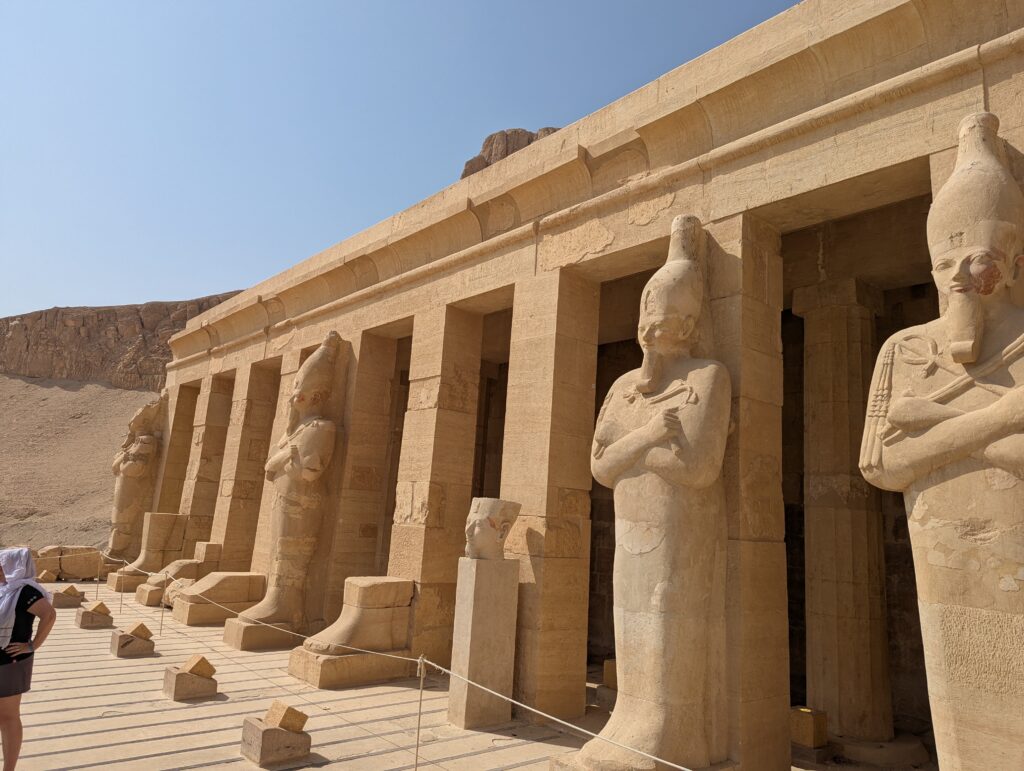
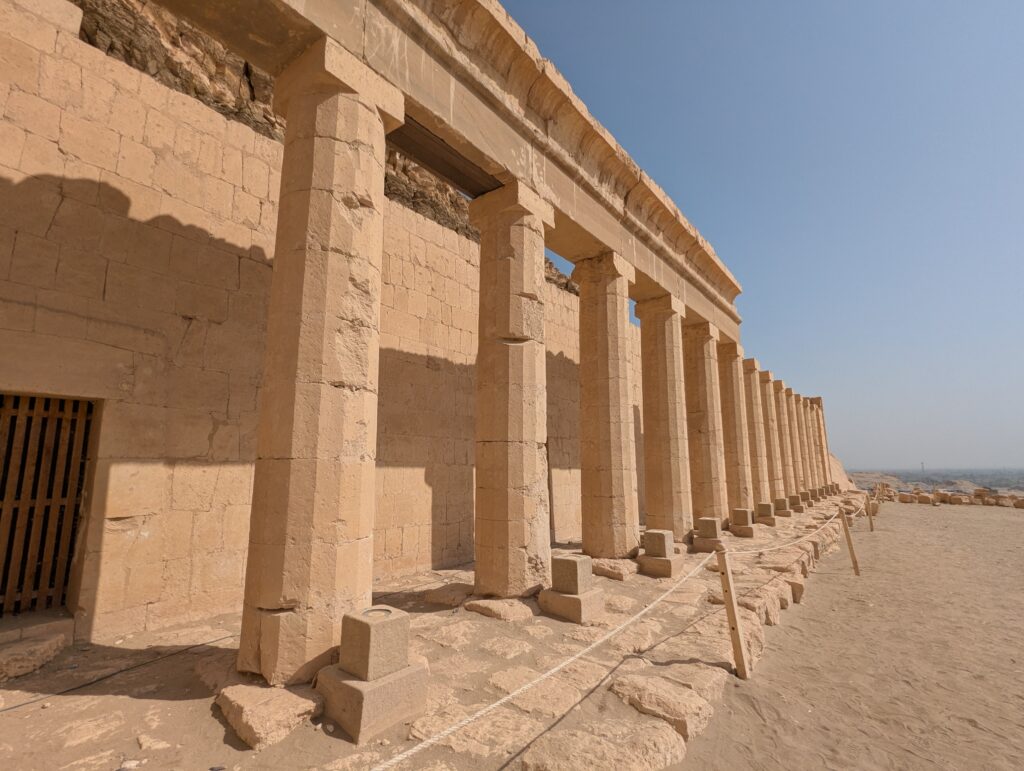
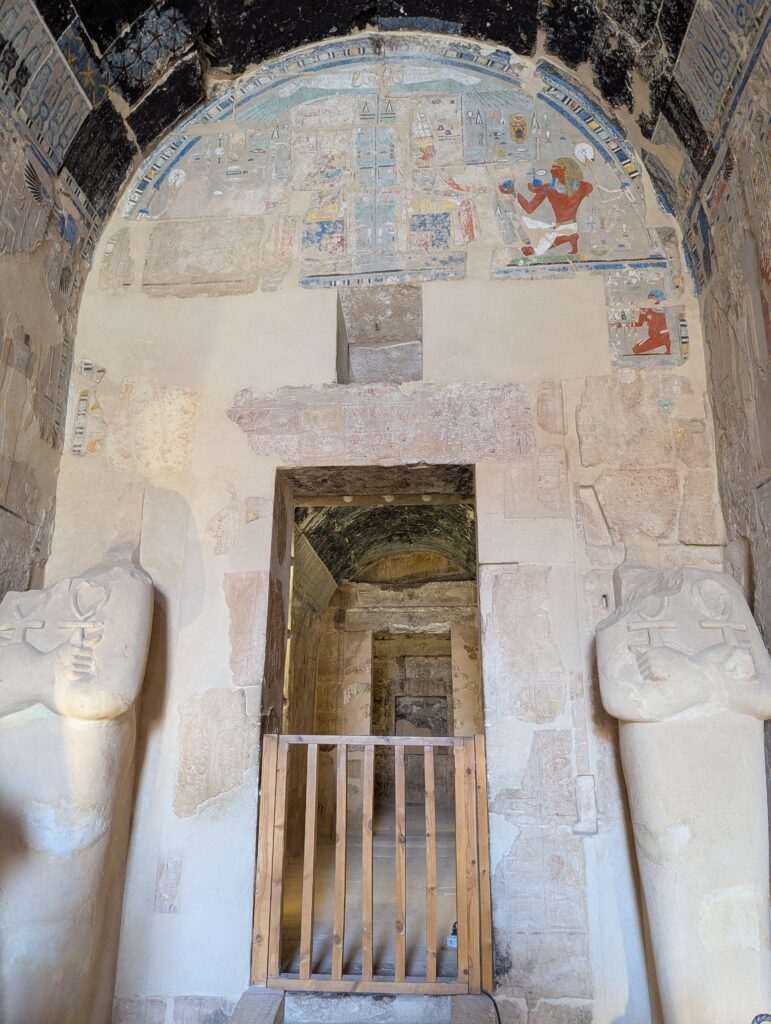
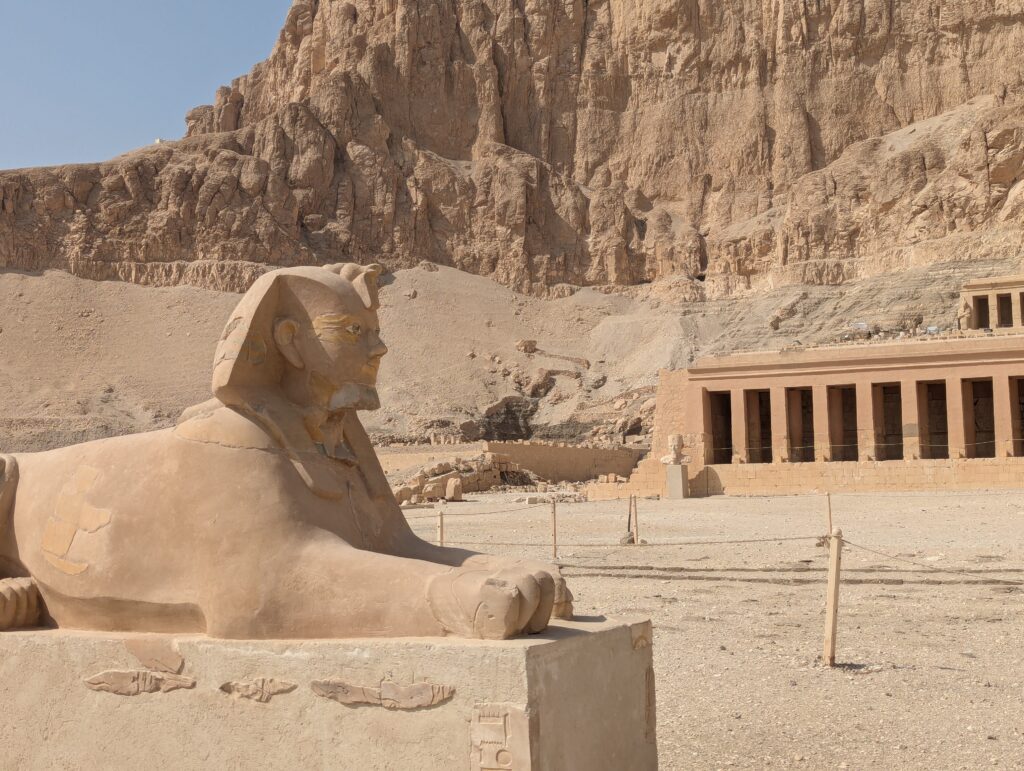
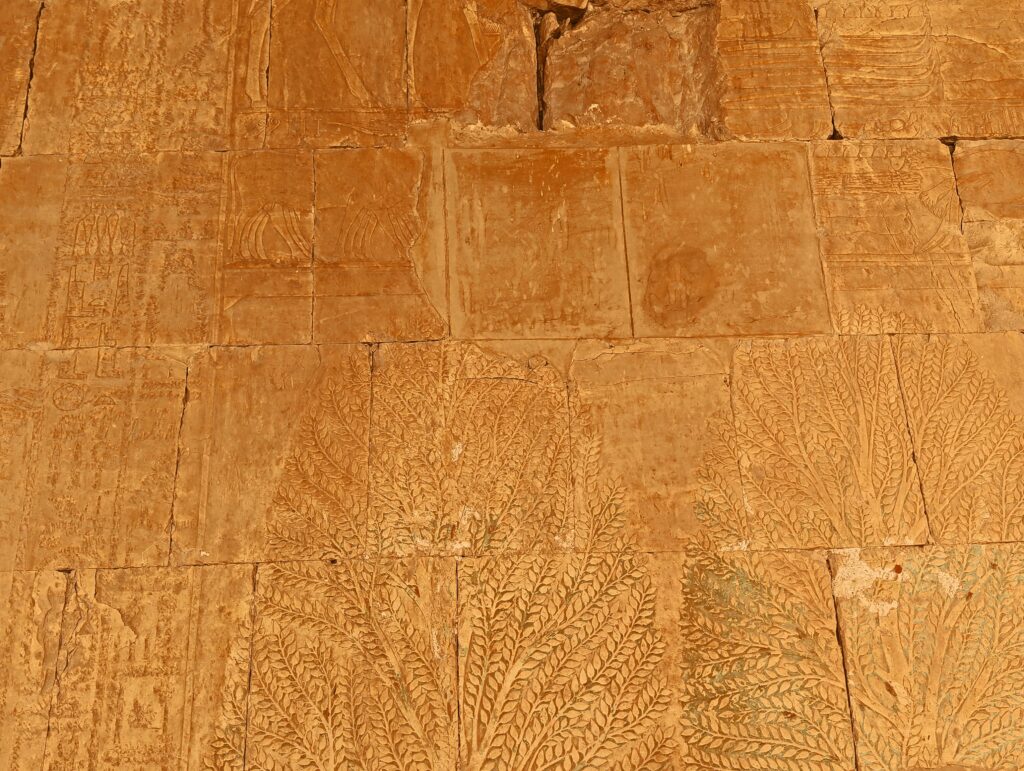
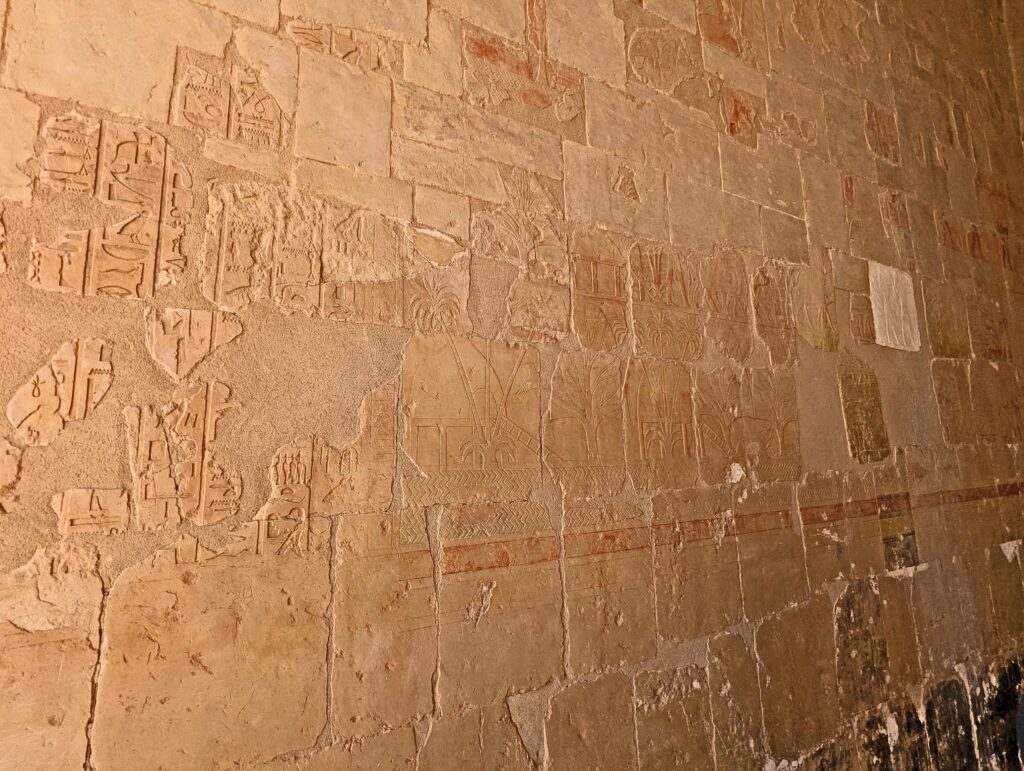
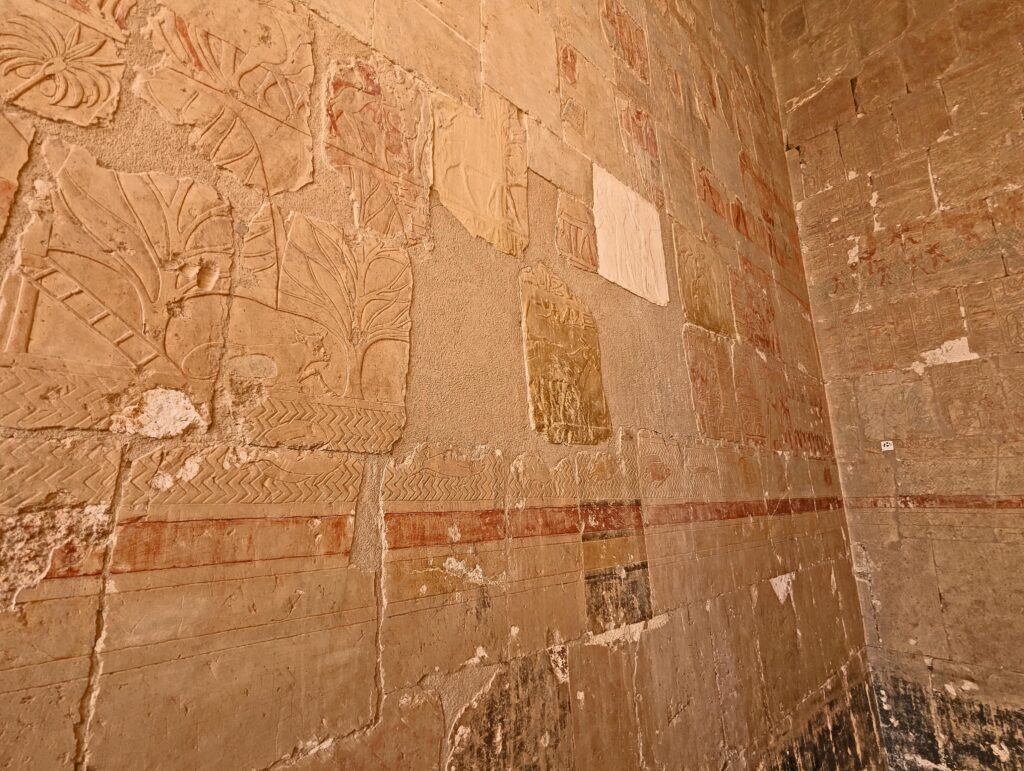
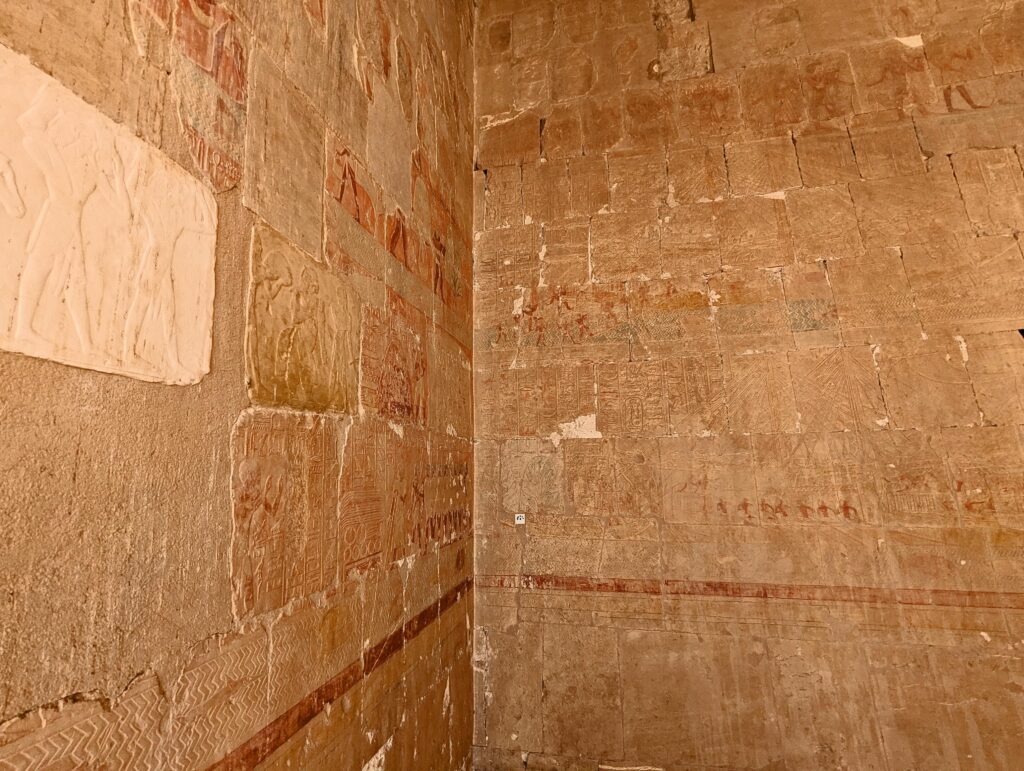
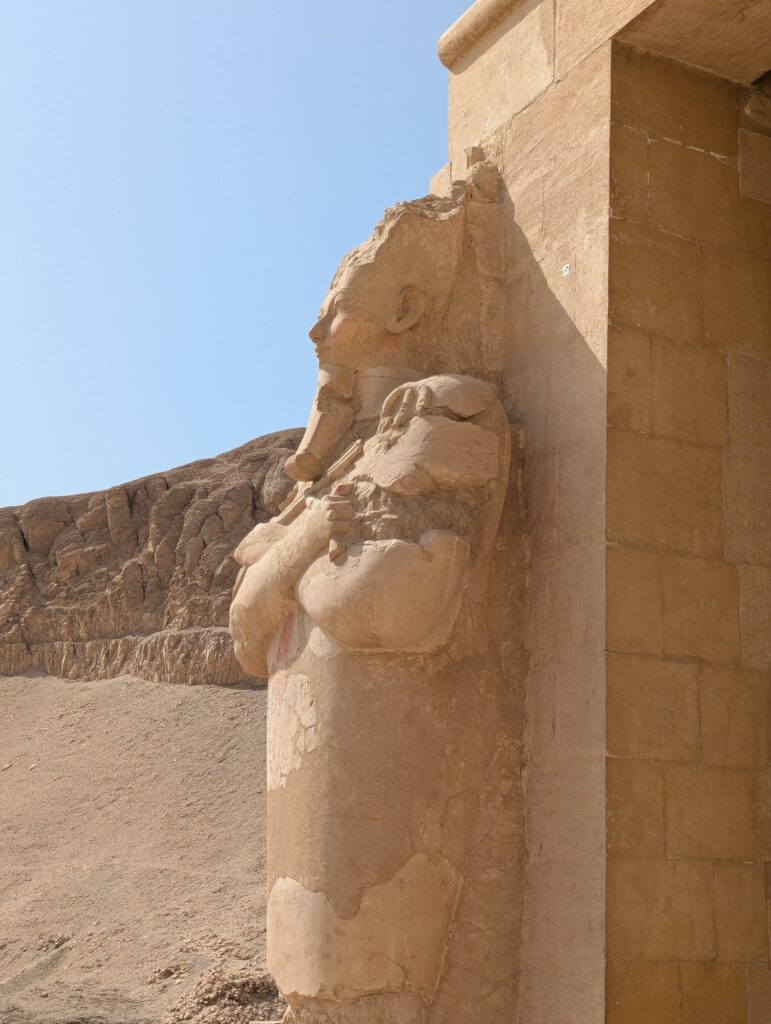
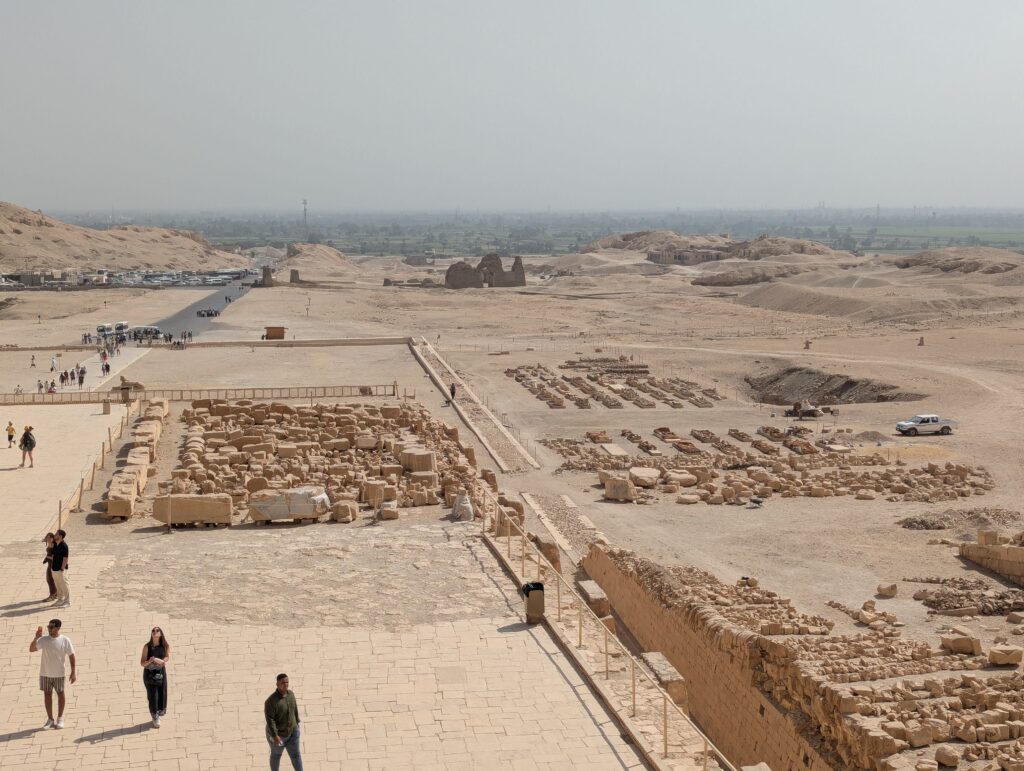
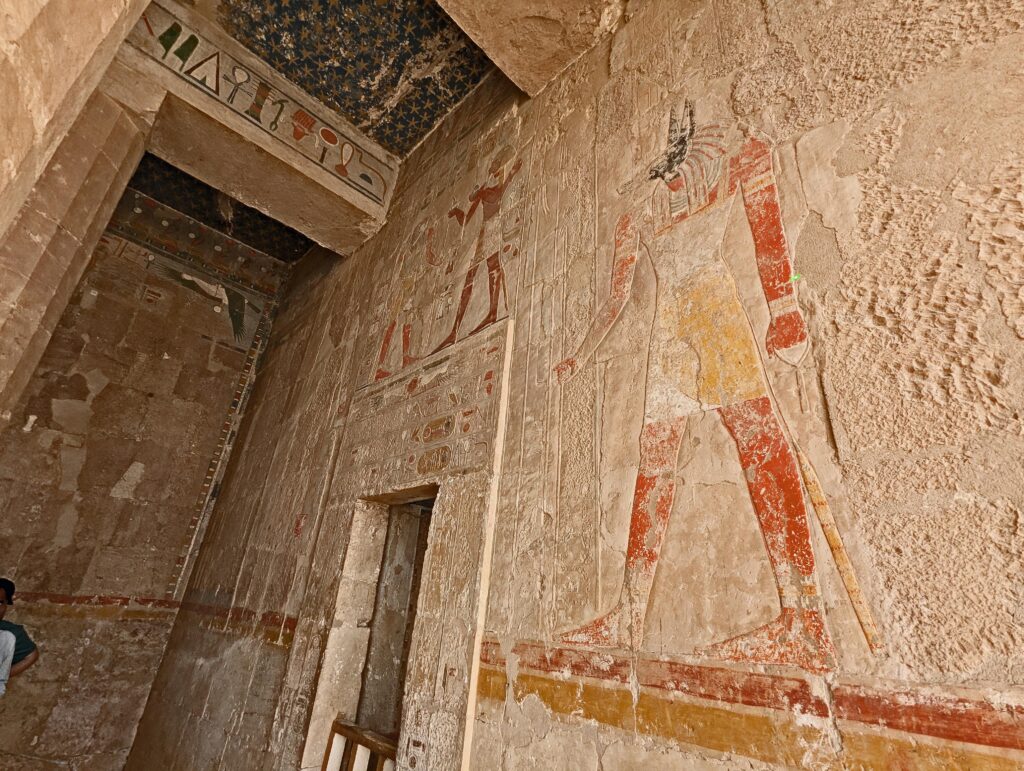
The Temple of Hatshepsut at Deir el-Bahari, built around 1479 B.C. during the 18th Dynasty, is an architectural masterpiece of ancient Egypt. The temple is renowned for its intricate reliefs that depict Hatshepsut’s divine birth, trade expeditions to Punt, and religious rituals, symbolizing her political power, religious devotion, and innovative reign.
Land of Punt is believed to be in modern-day Somalia/Eritrea. The Temple features detailed carvings of the journey, depicting exotic animals like panthers and baboons. These reliefs serve as evidence of the expedition.
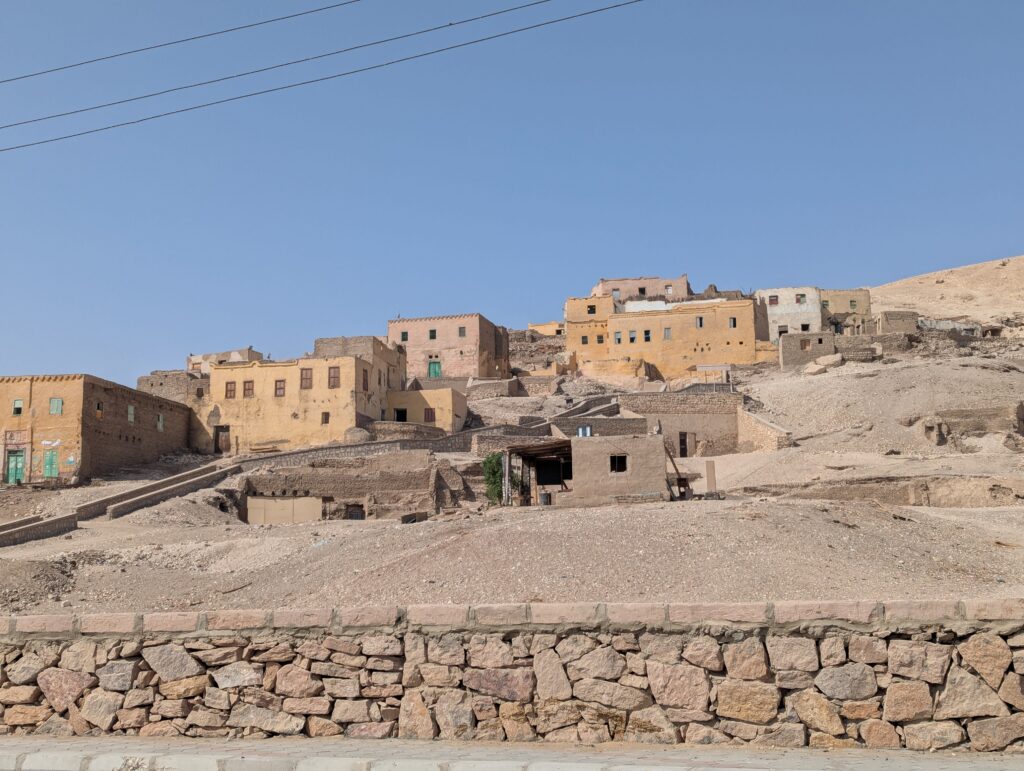
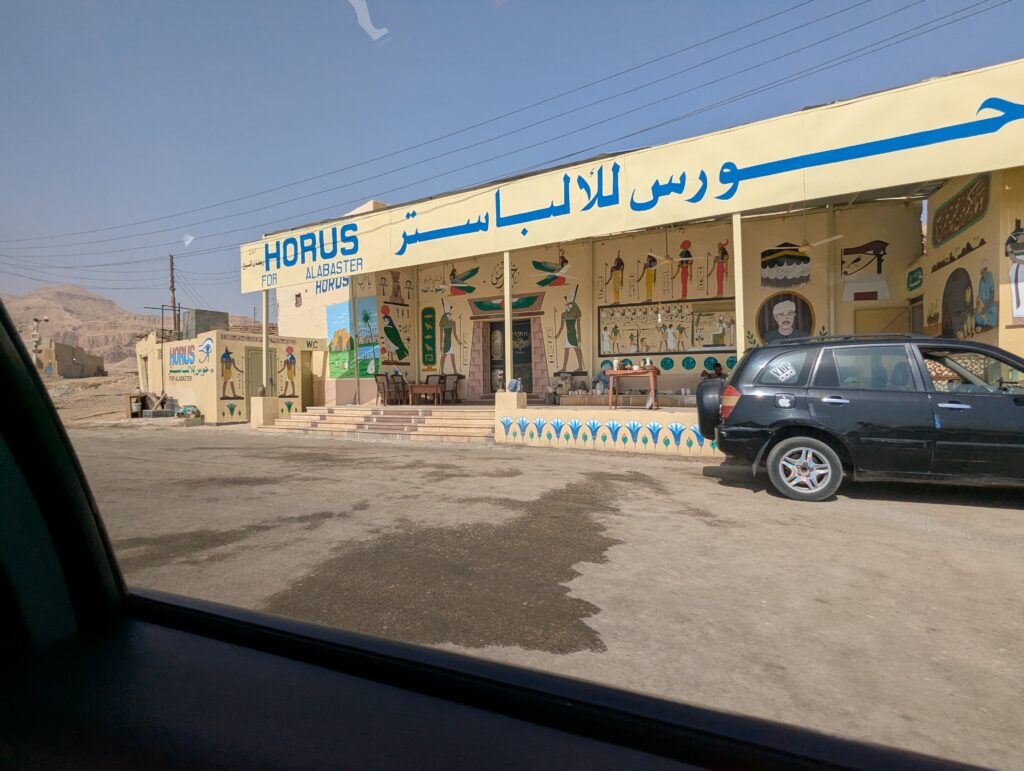
Alabaster Shop
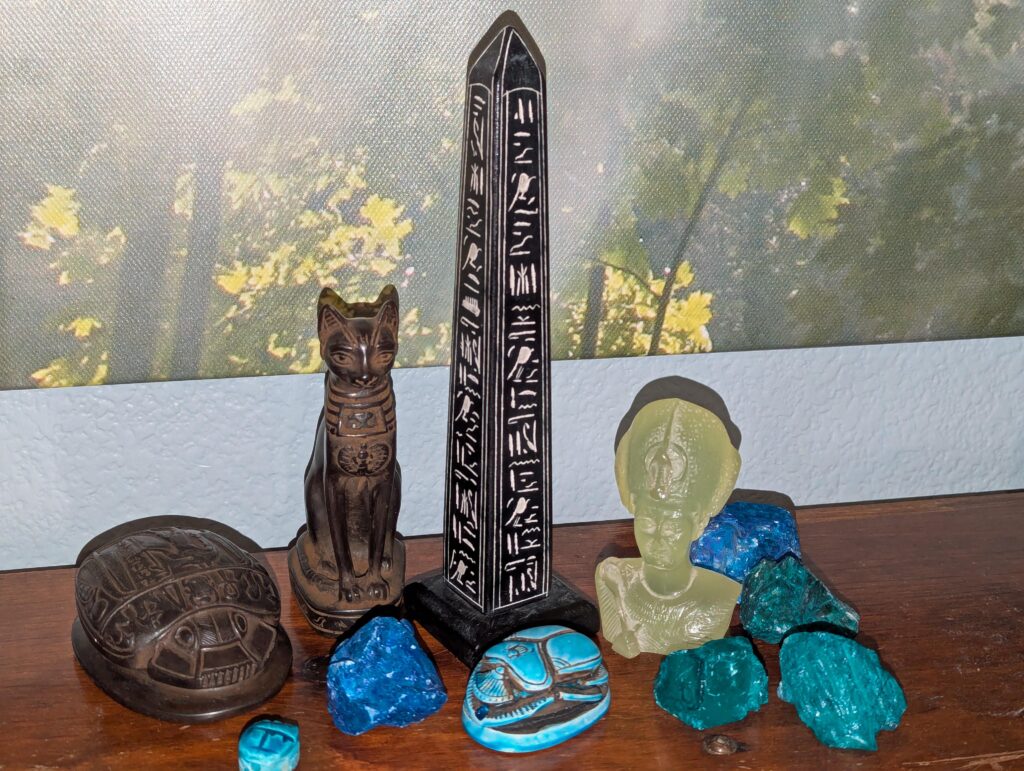
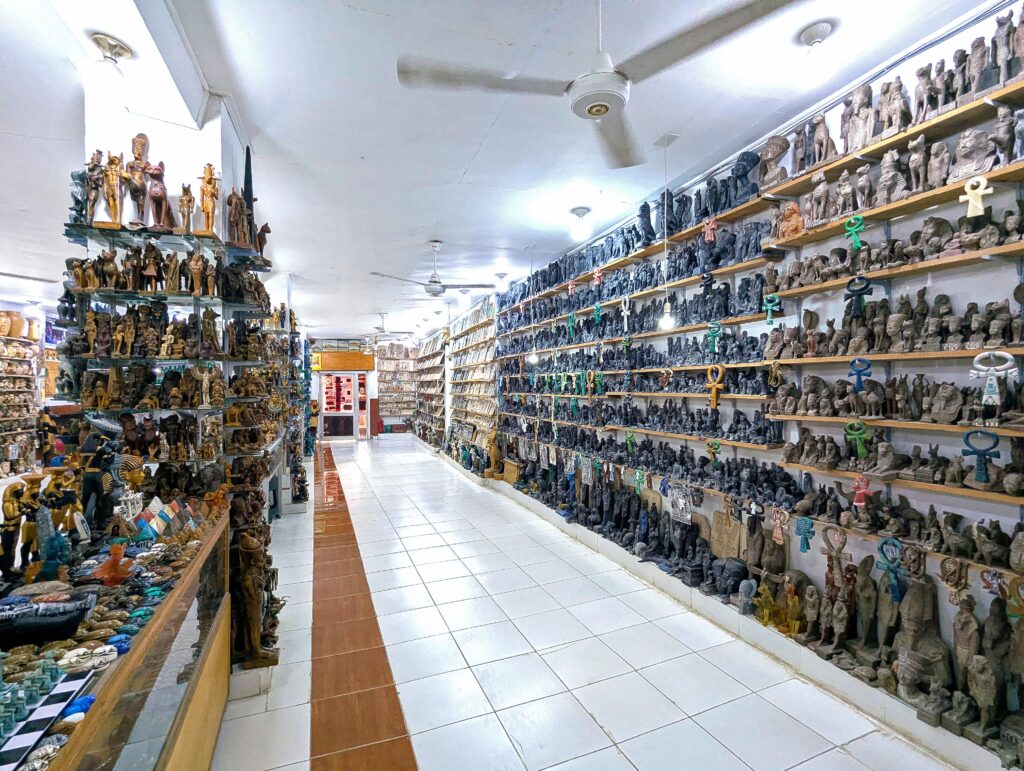
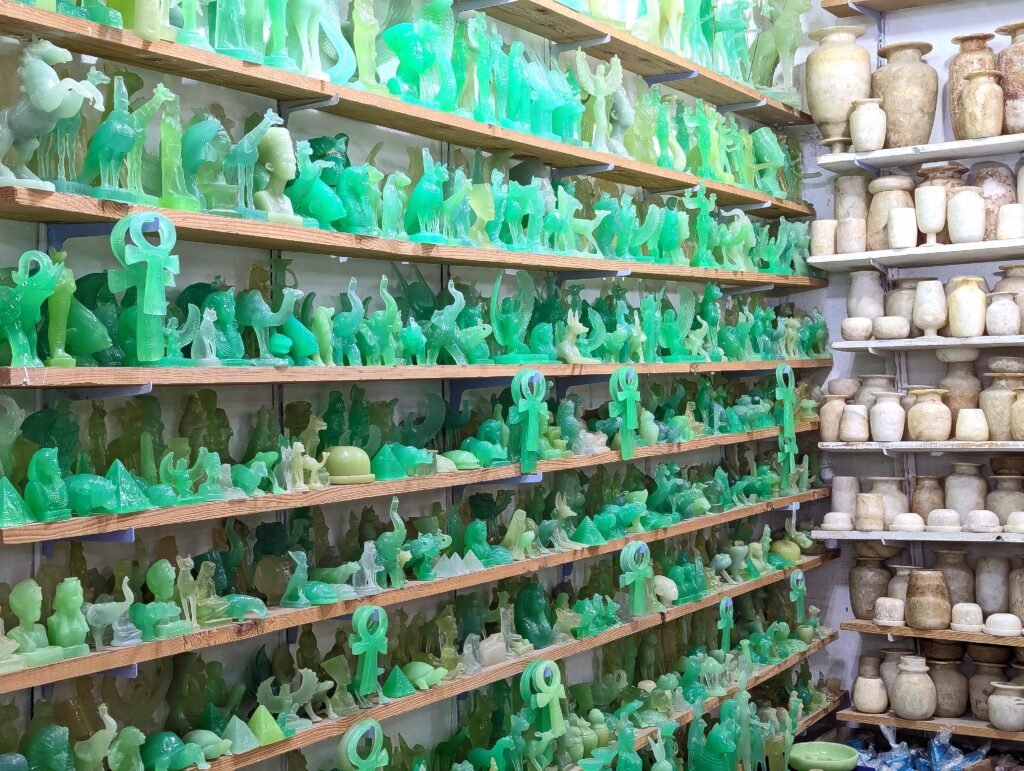
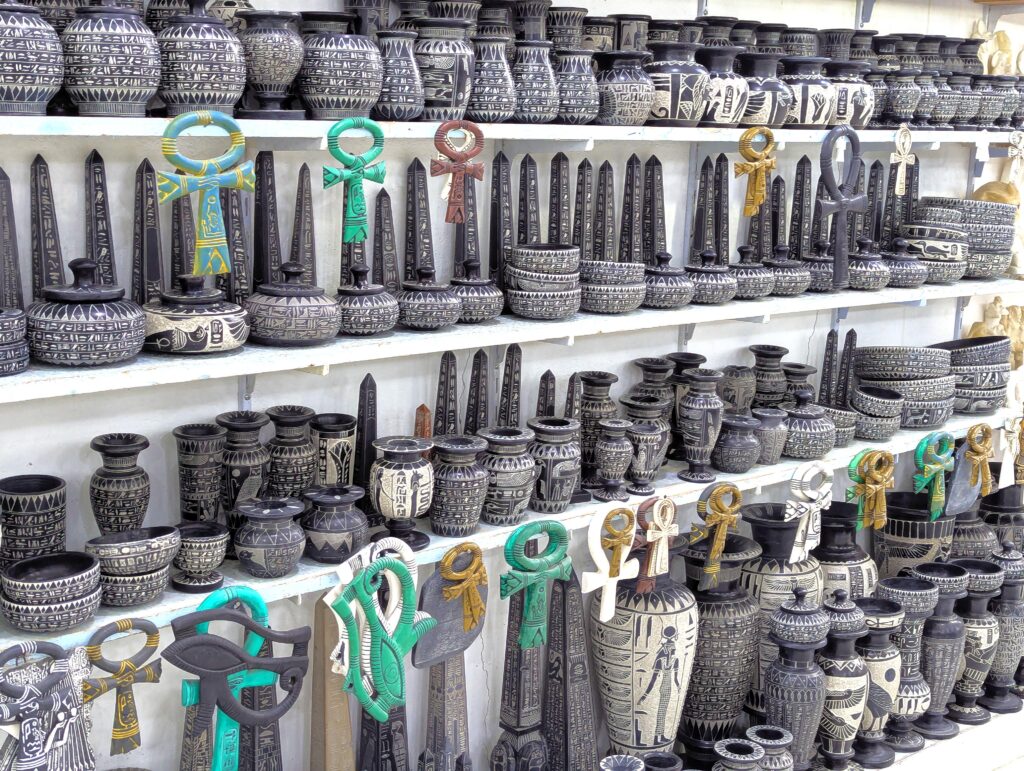
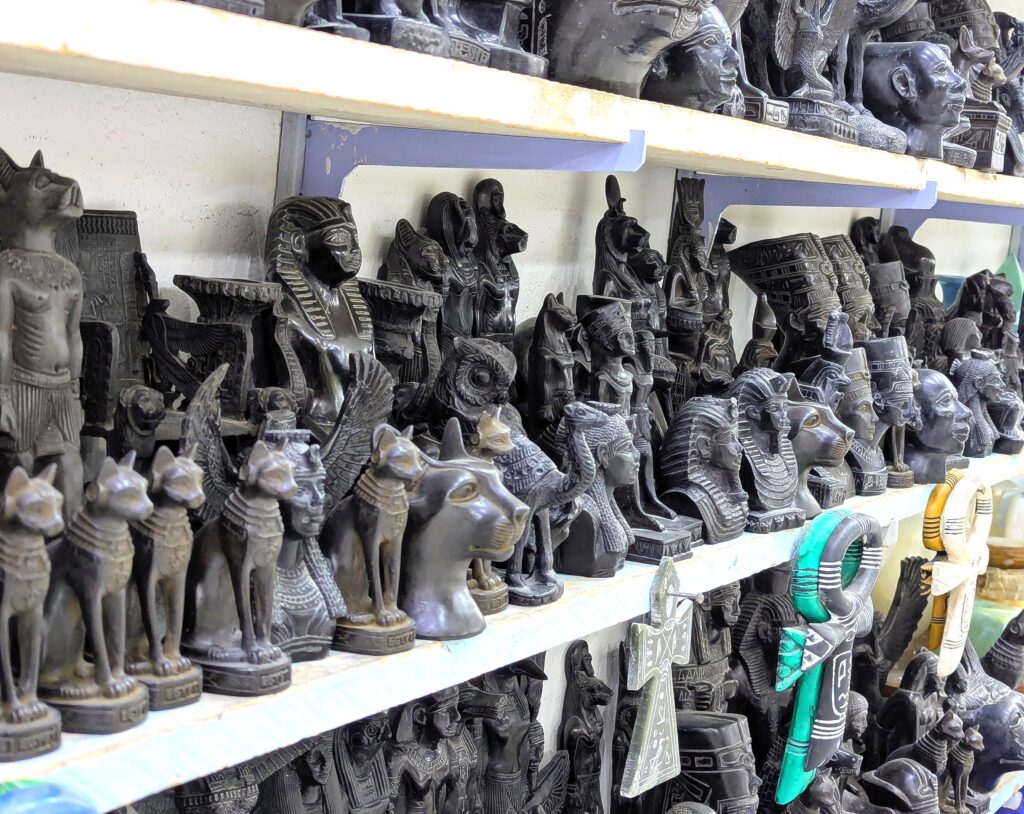
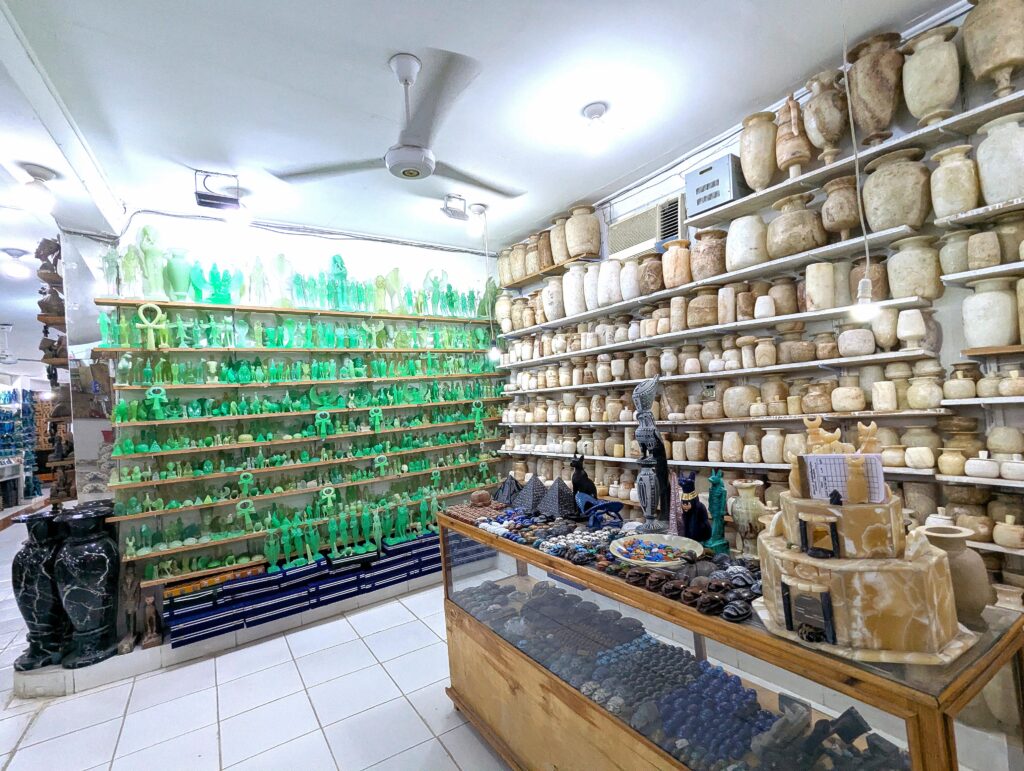
We stopped at Monaliza Factory for Alabaster which specializes in hand-carved stone souvenirs. I bought some – maybe spending more than I should have.
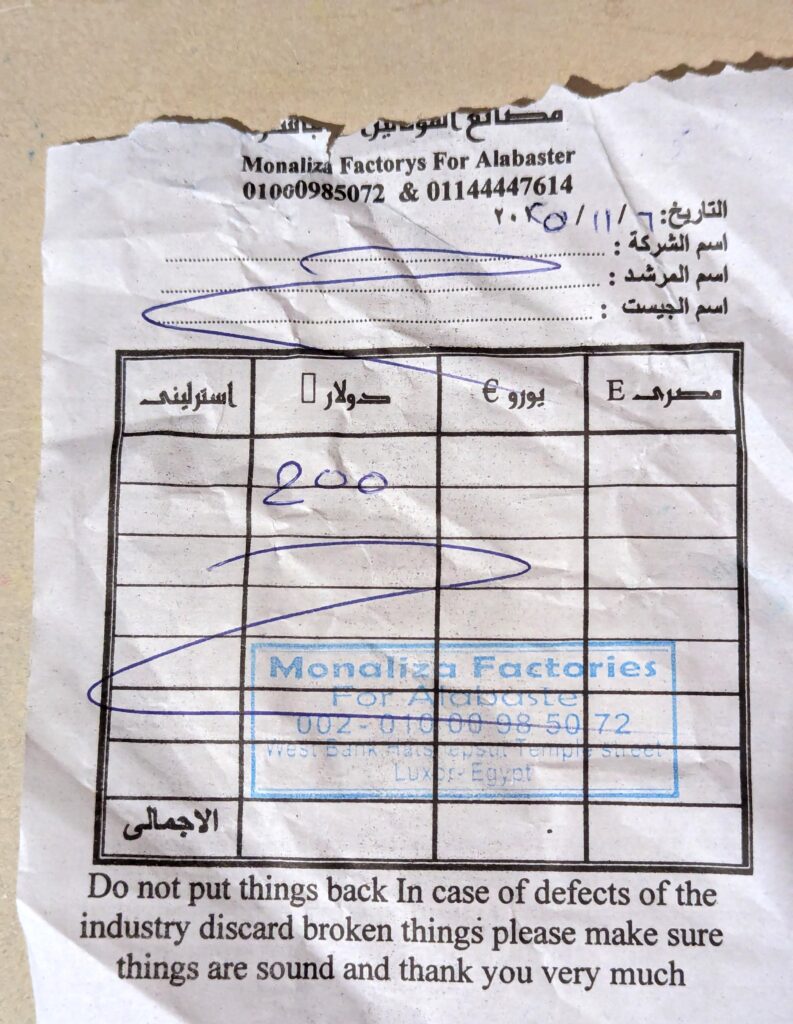
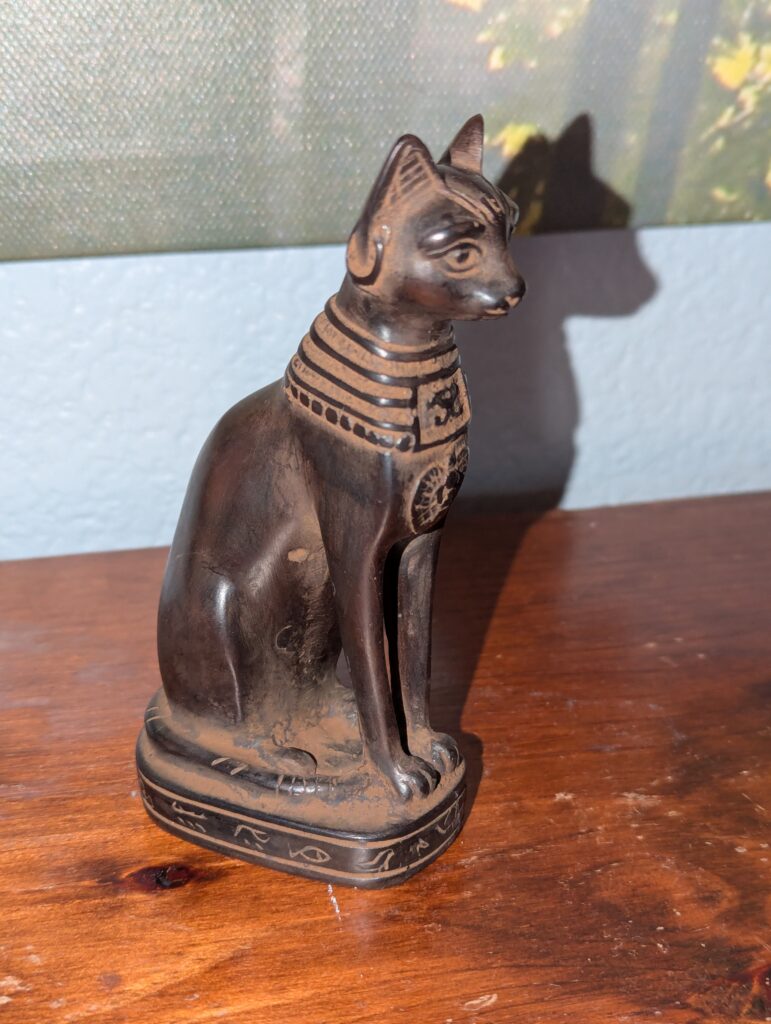
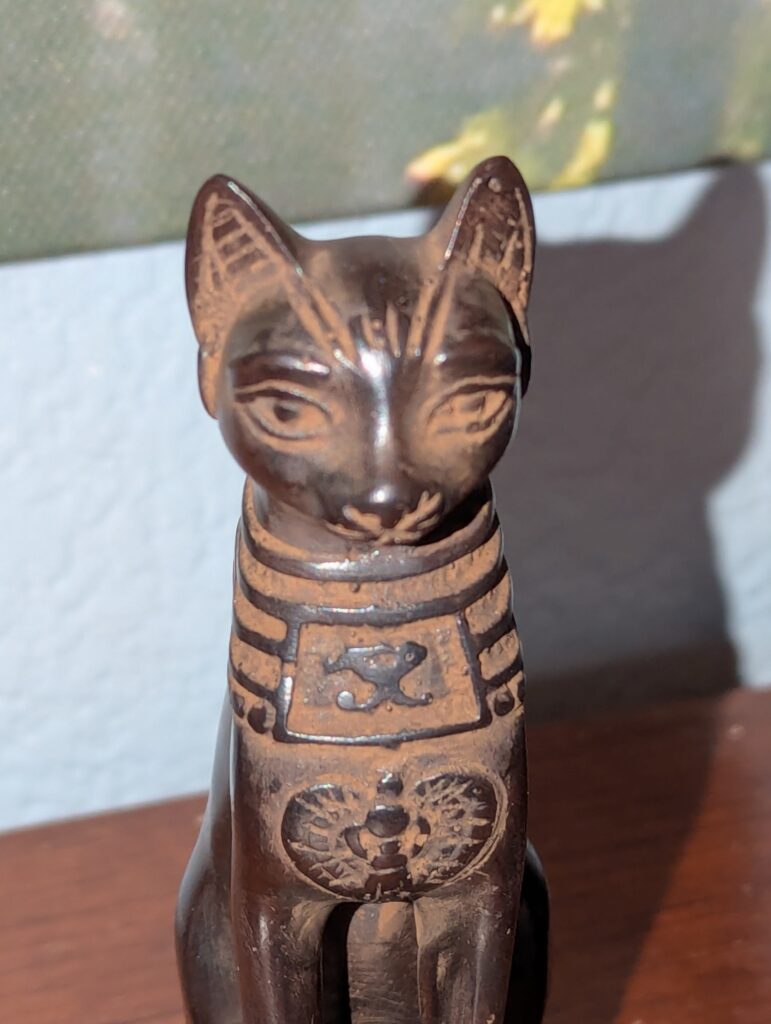
Article about this factory:
Deir el-Medina
Deir el-Medina is an ancient Egyptian workmen’s village located on the west bank of the Nile at Thebes, near the Valley of the Kings. It was home to the artisans and craftsmen who constructed and decorated the royal tombs during the 18th to 20th Dynasties of the New Kingdom (circa 1550–1080 BCE).
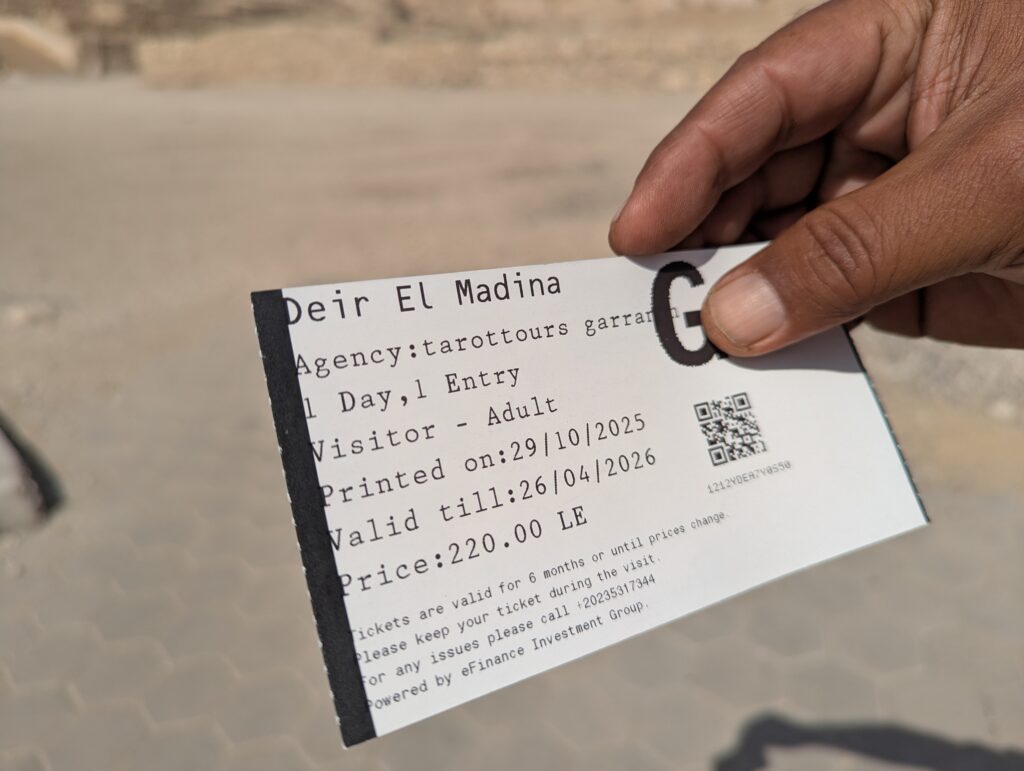
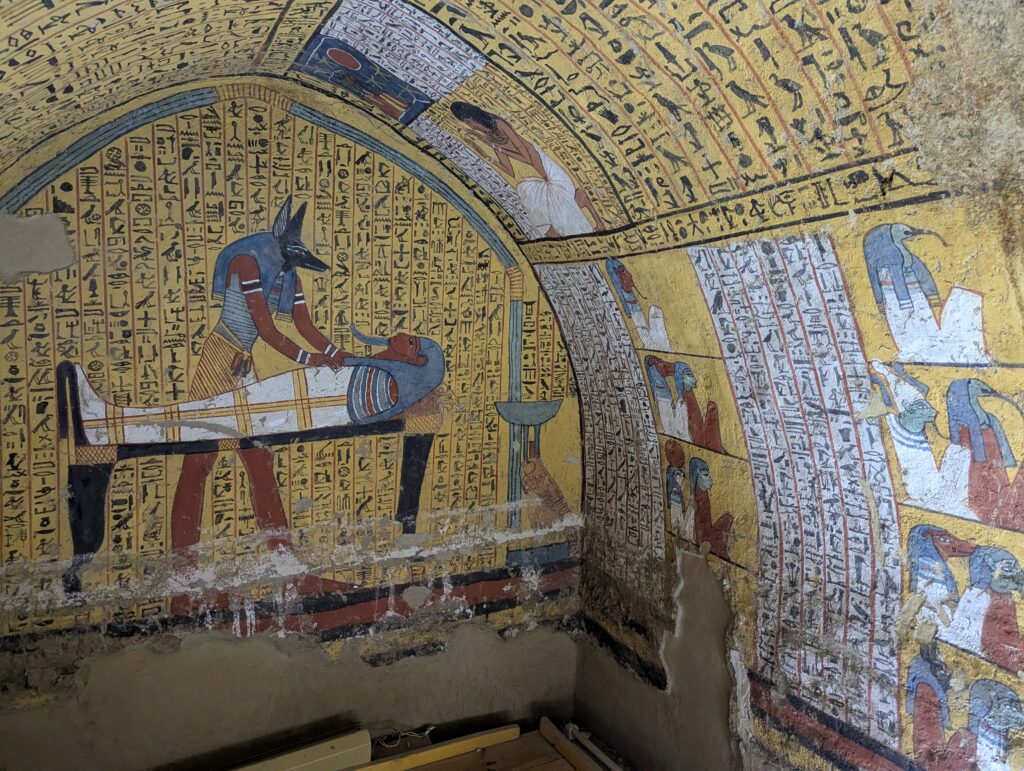
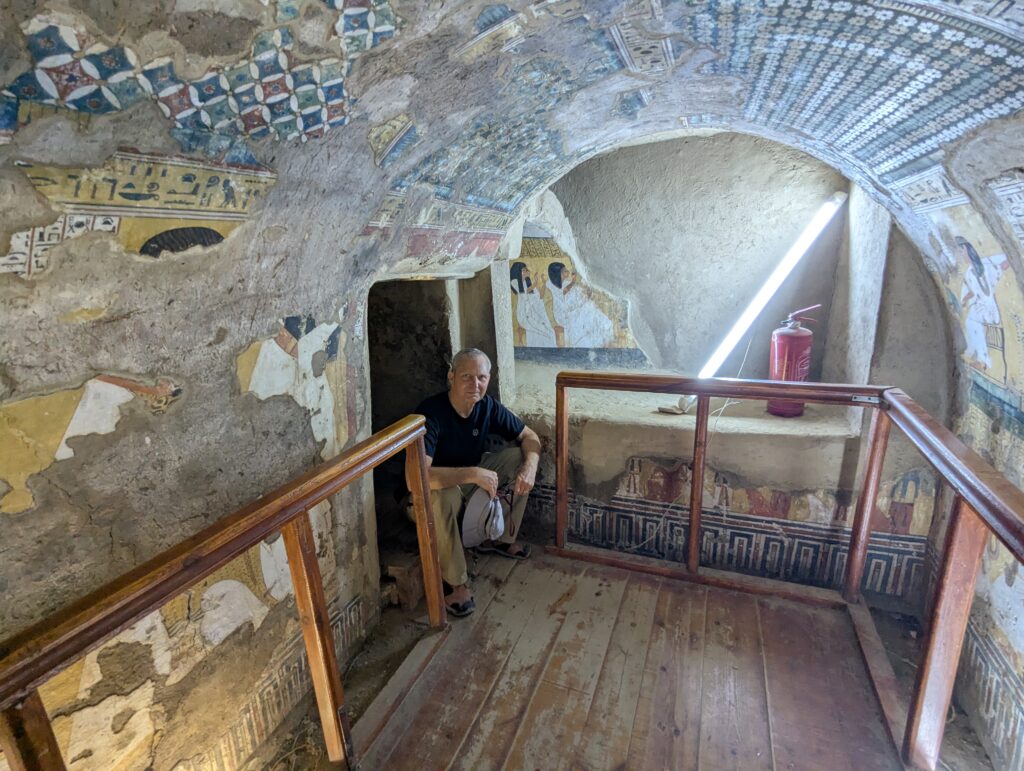
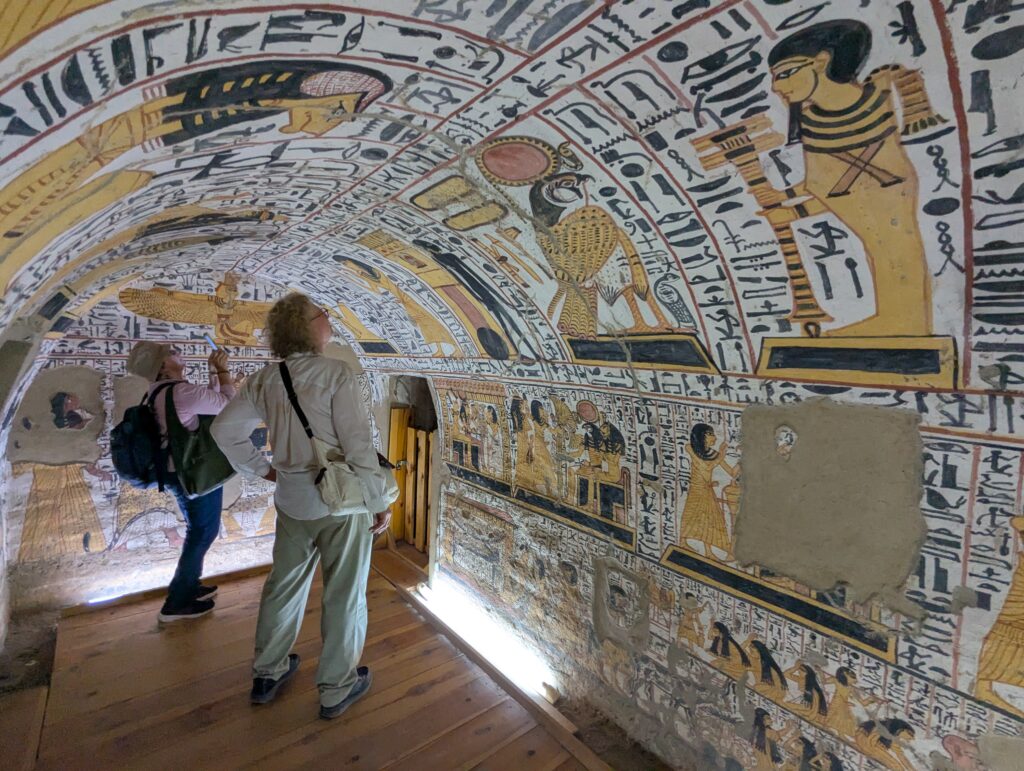
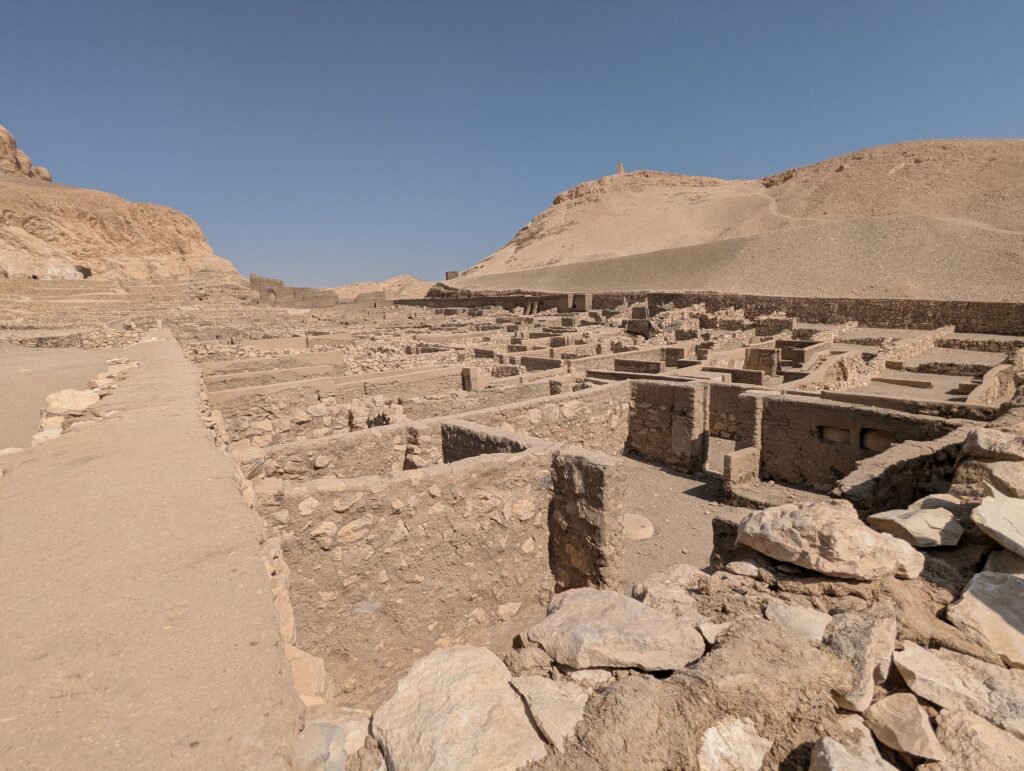
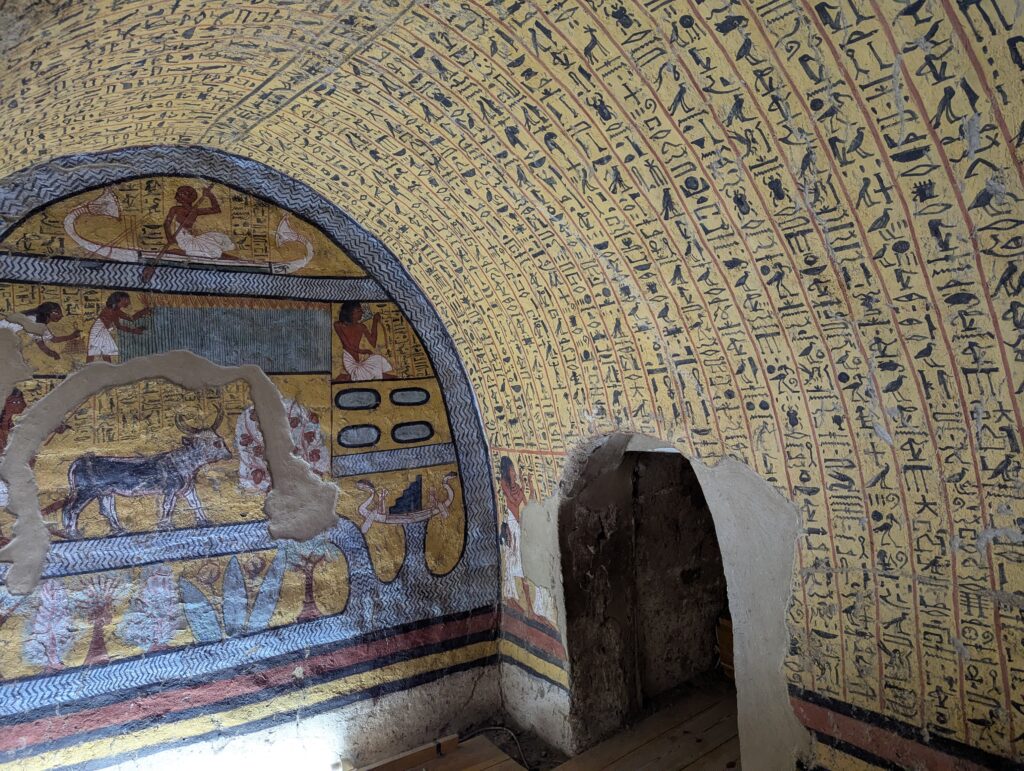
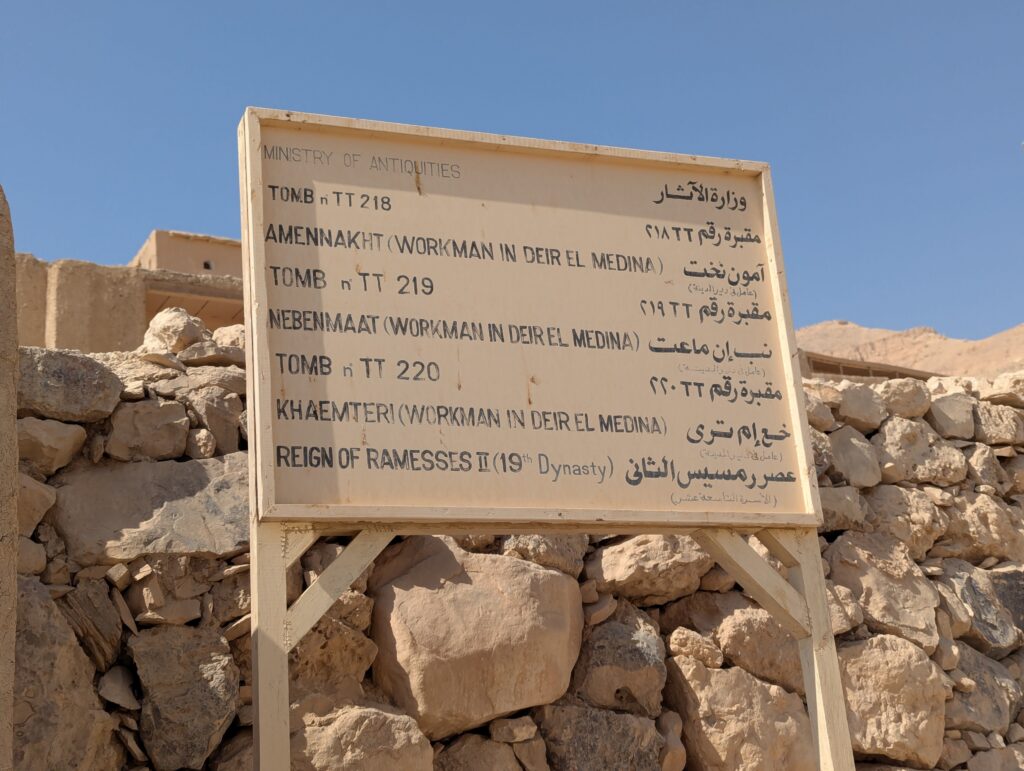
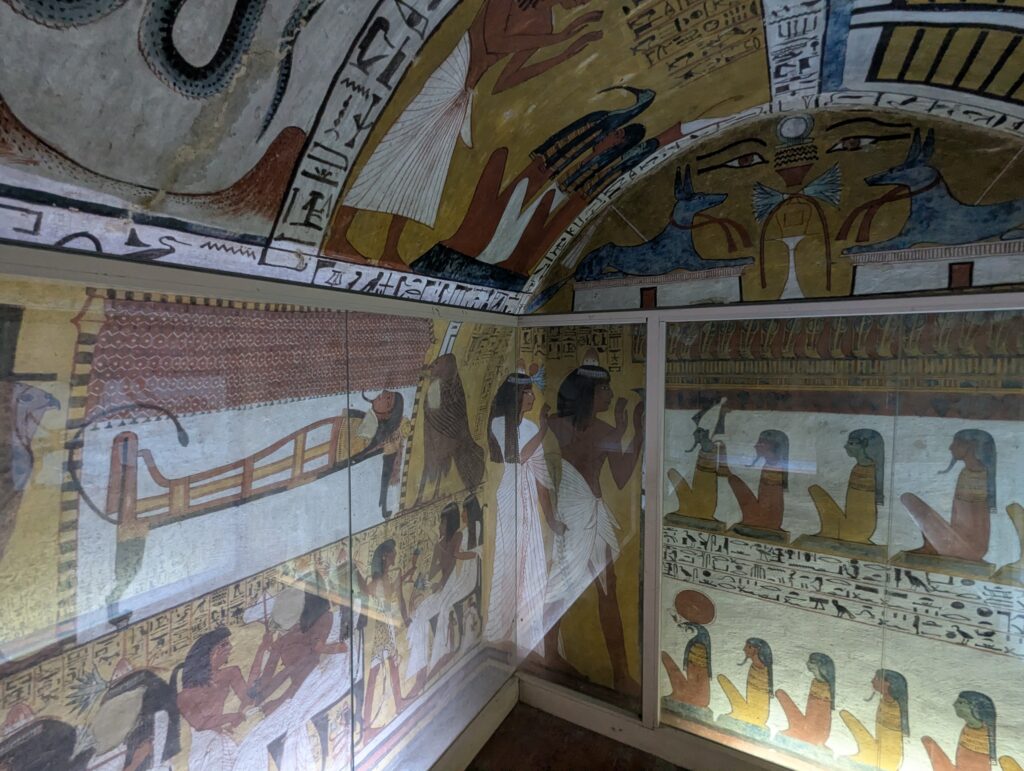
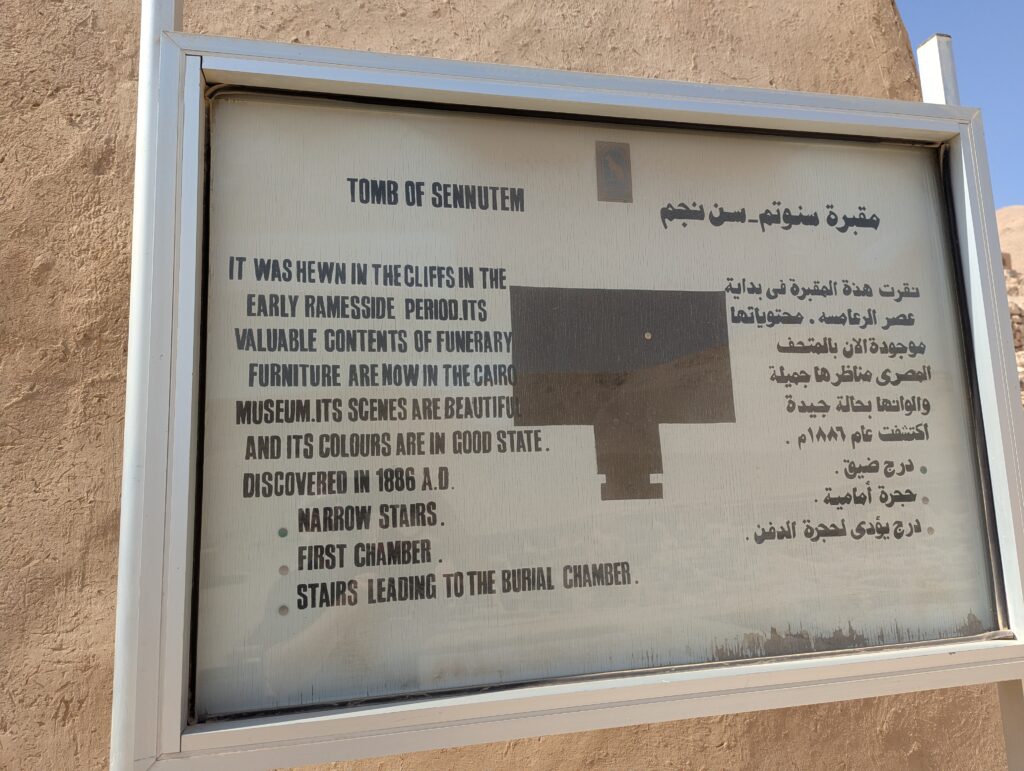
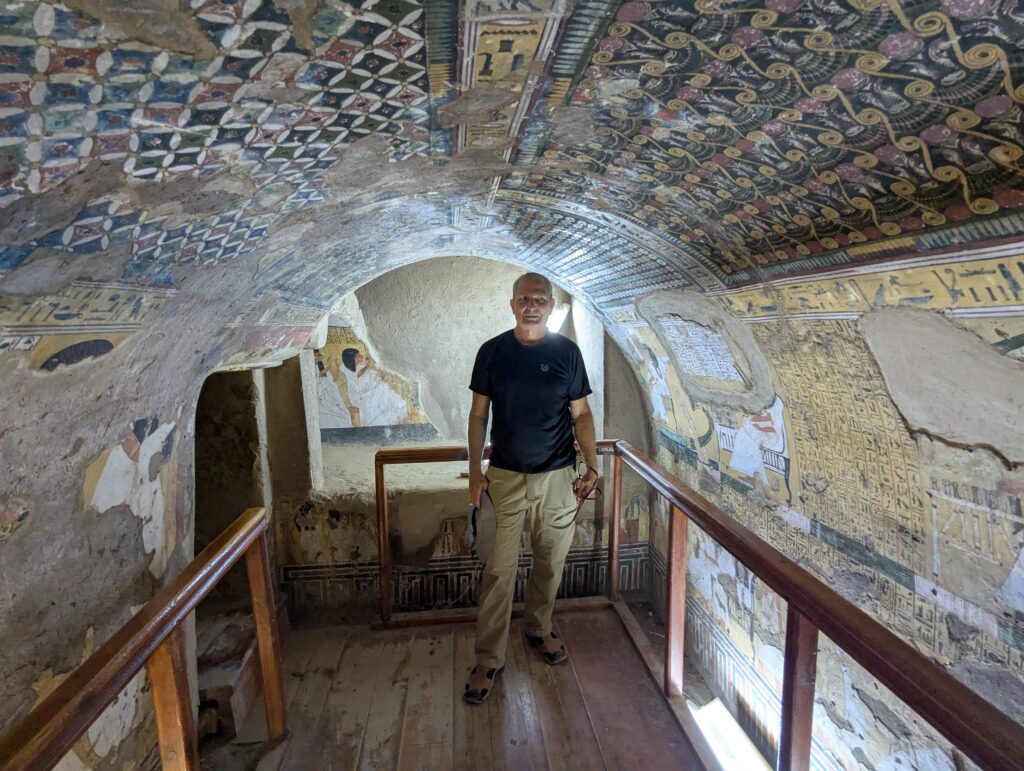
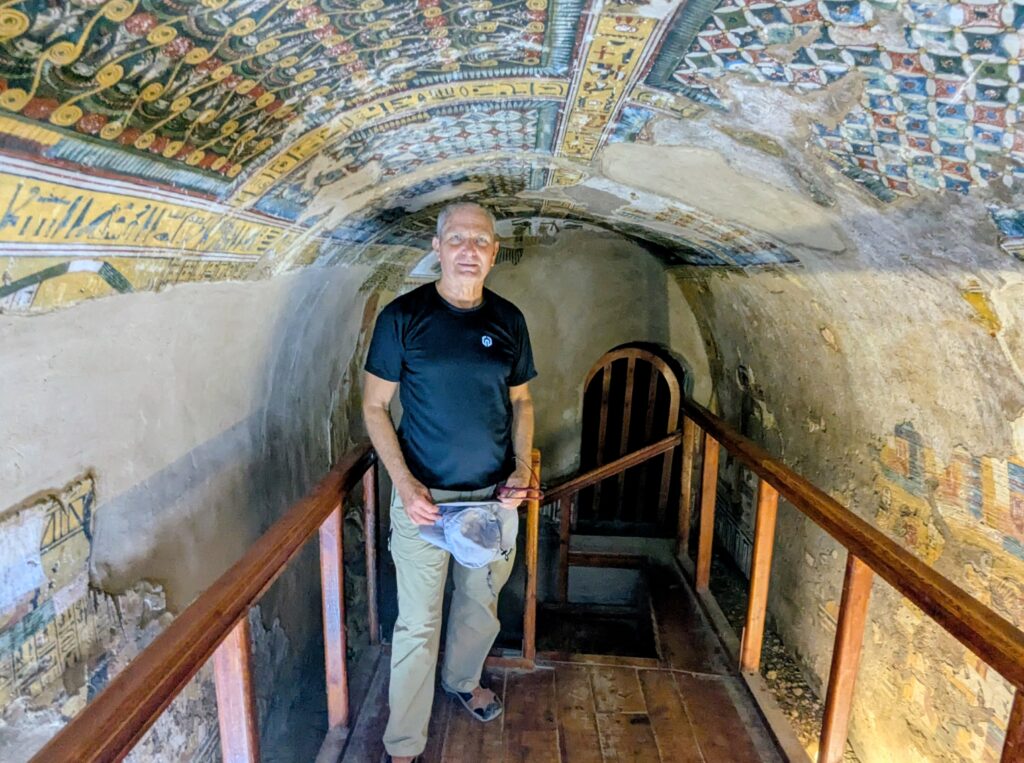
Often there are people inside working for small tips to give a brief tour or take your photo.
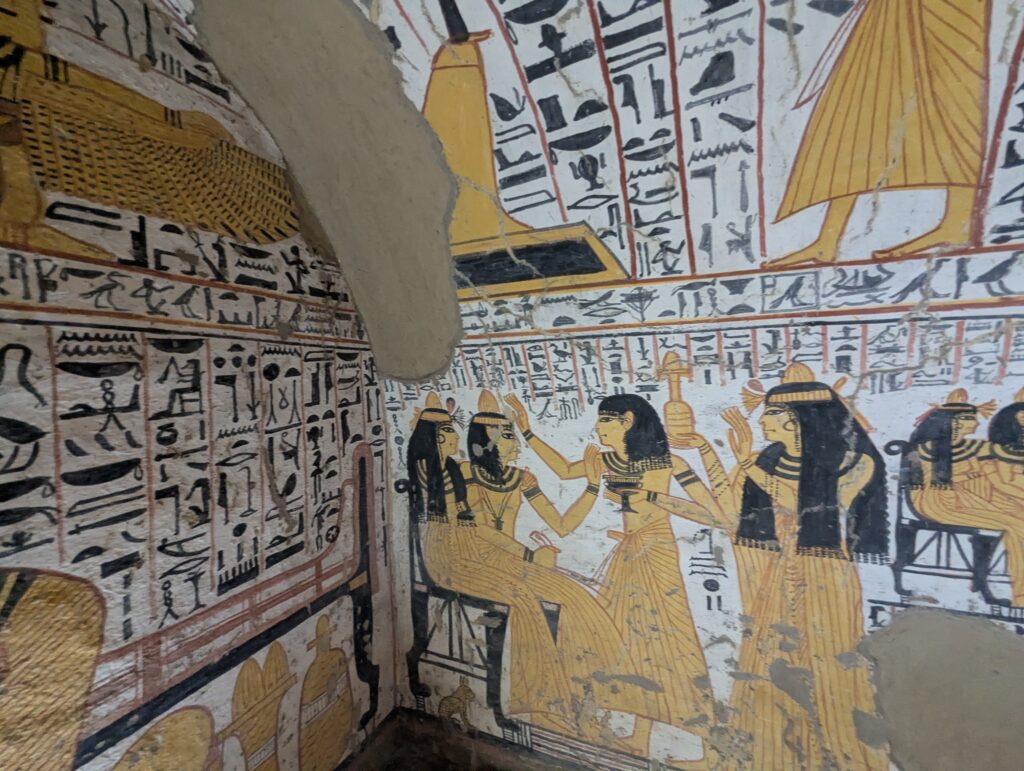
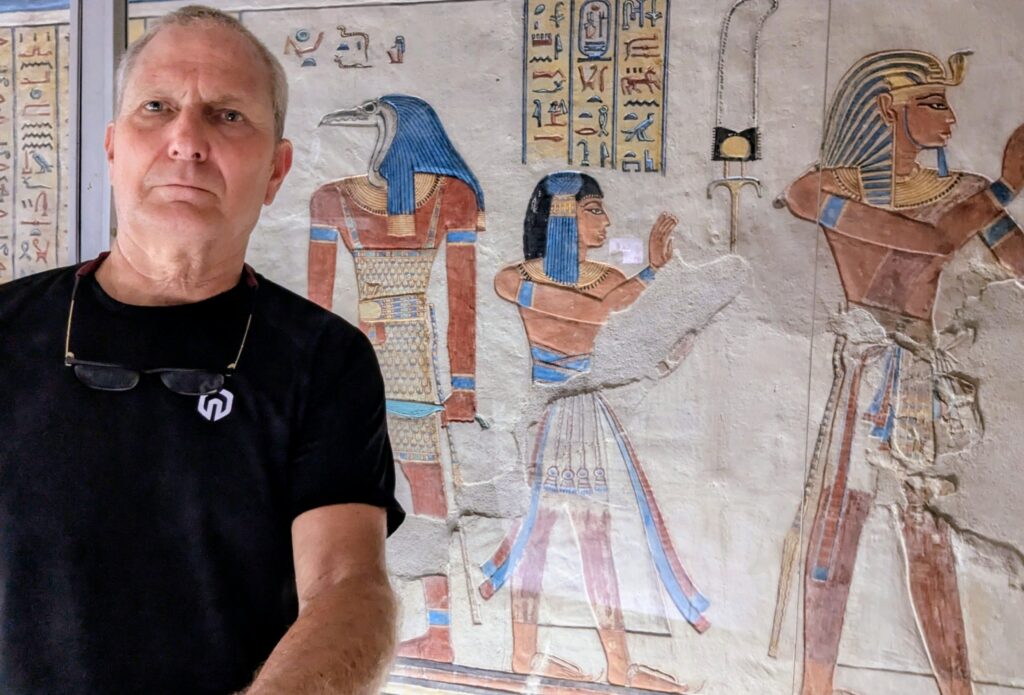
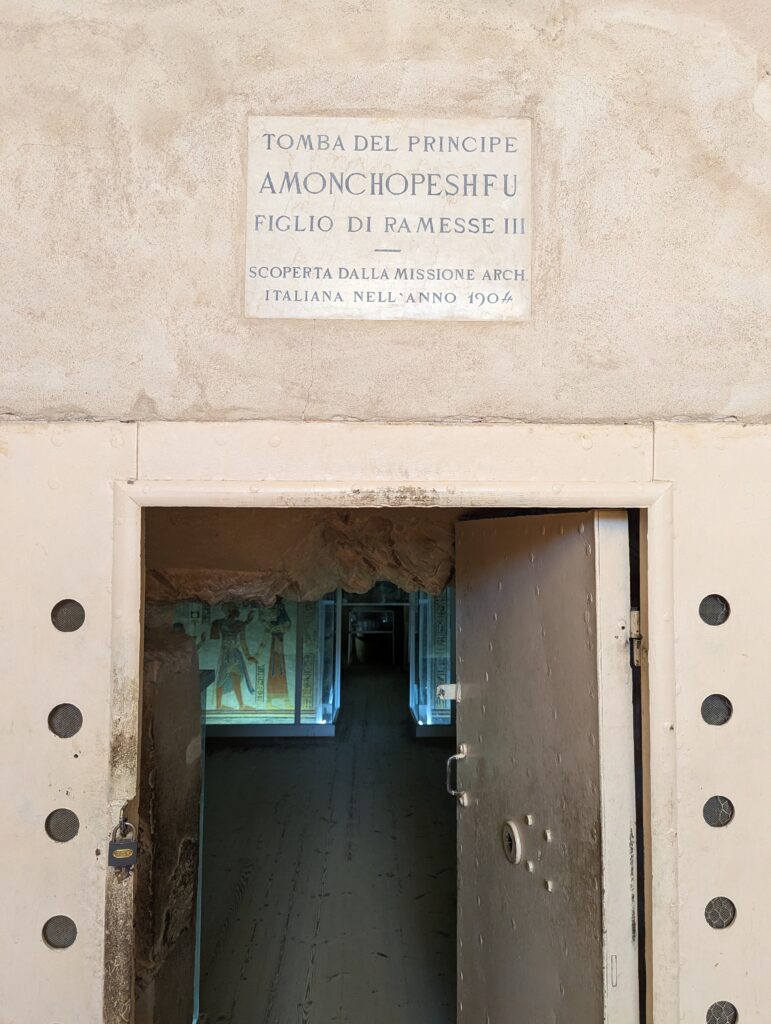
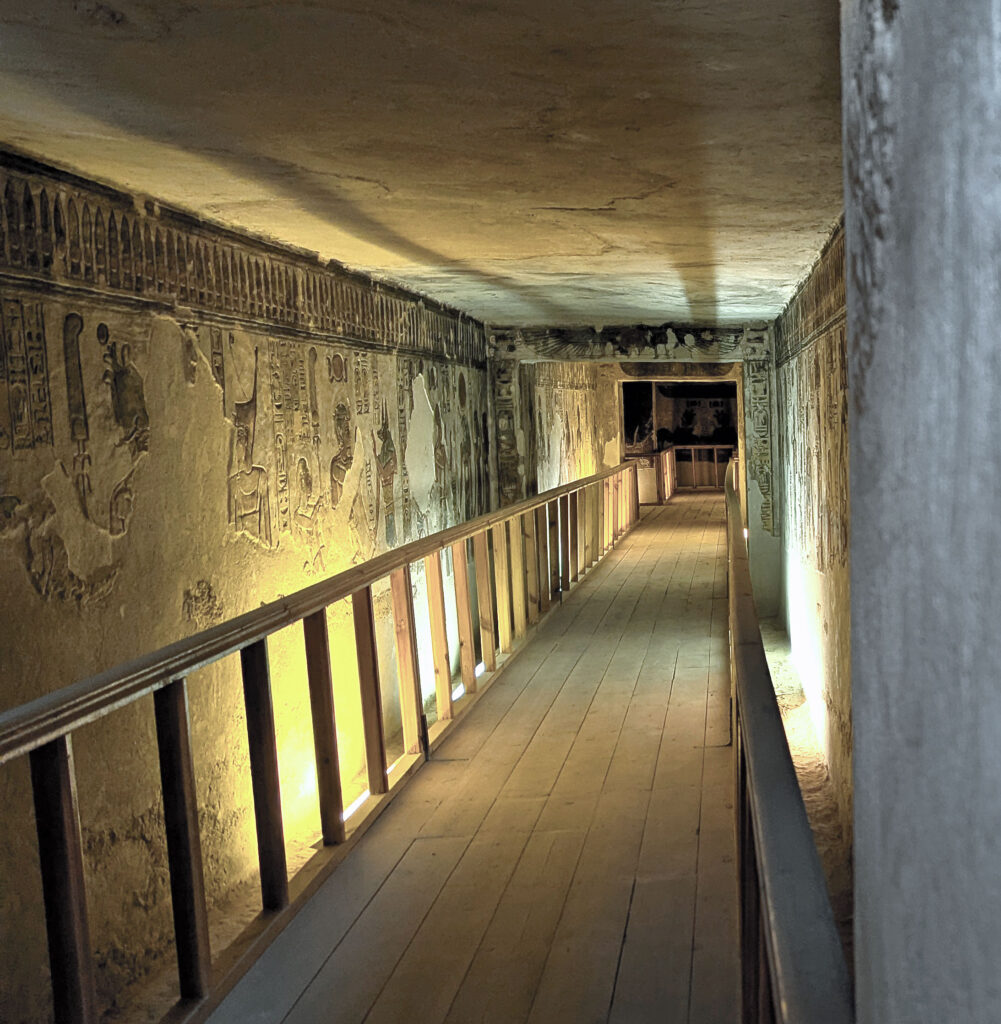
Tomb of Amunherkhepshef
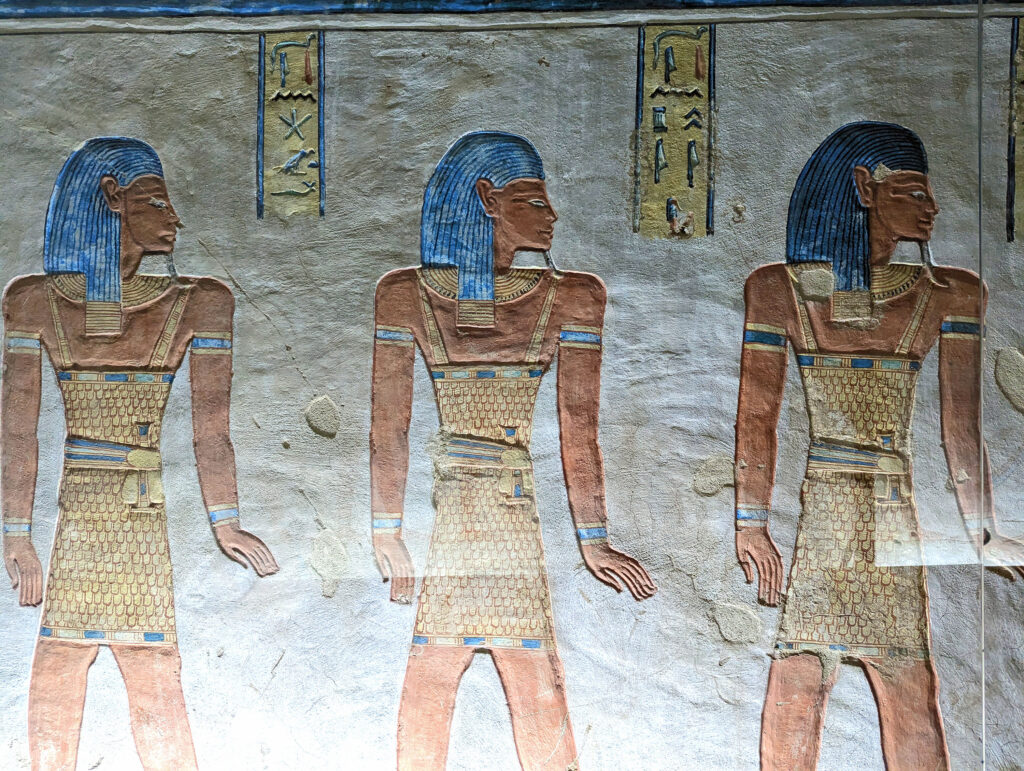
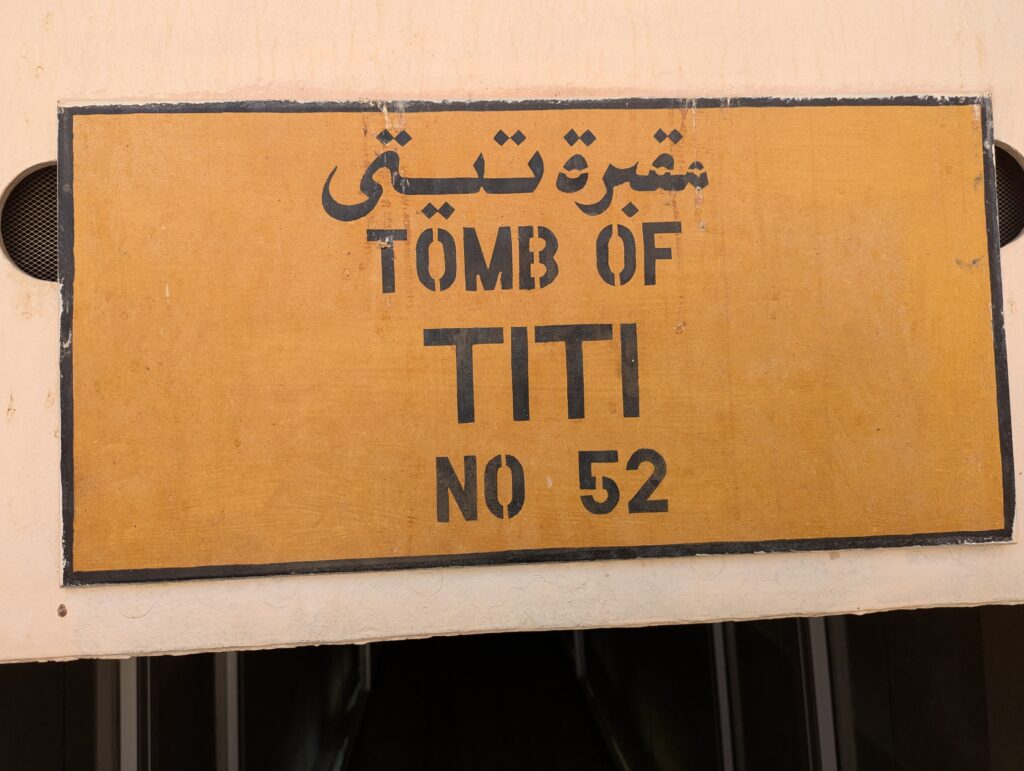
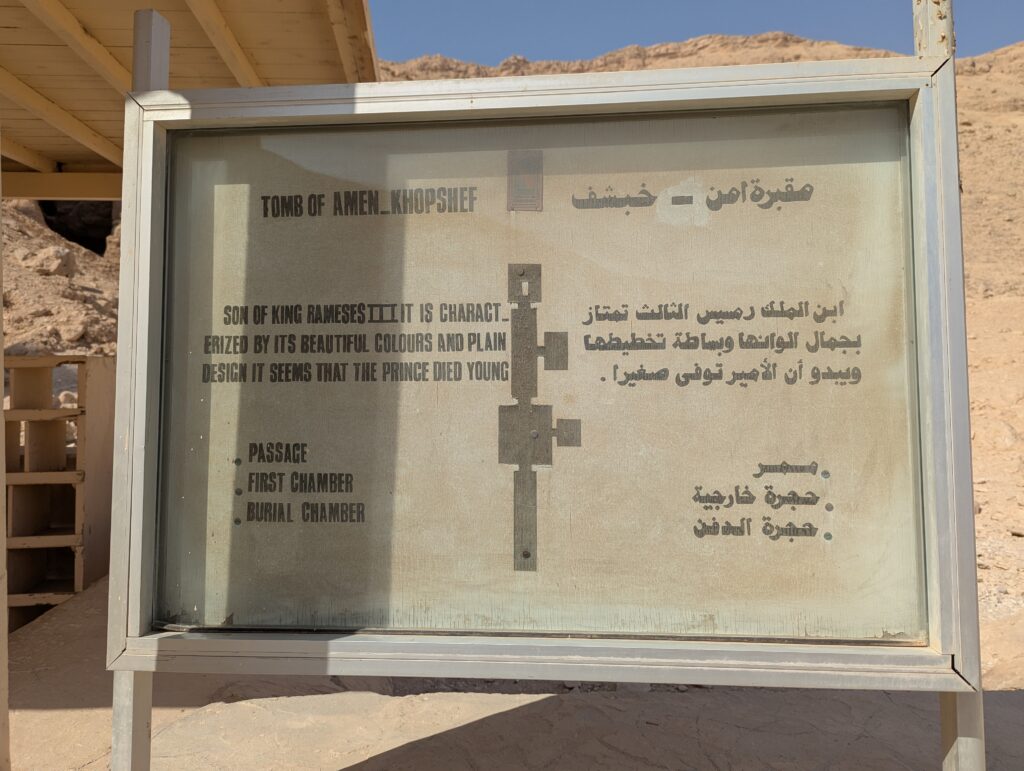
Tomb of Amunherkhepshef (QV55) in the Valley of the Queens, Luxor, Egypt. Amunherkhepshef was the eldest son and heir of Pharaoh Ramses III and Queen Titi during the 20th Dynasty of the New Kingdom. Queen Titi’s own tomb is QV52, located nearby. The tomb is known for its vibrant colors and well-preserved artwork depicting Amunherkhepshef alongside his parents Ramses III and Titi, confirming the relationship clearly.
The Temple of Medinet Habu
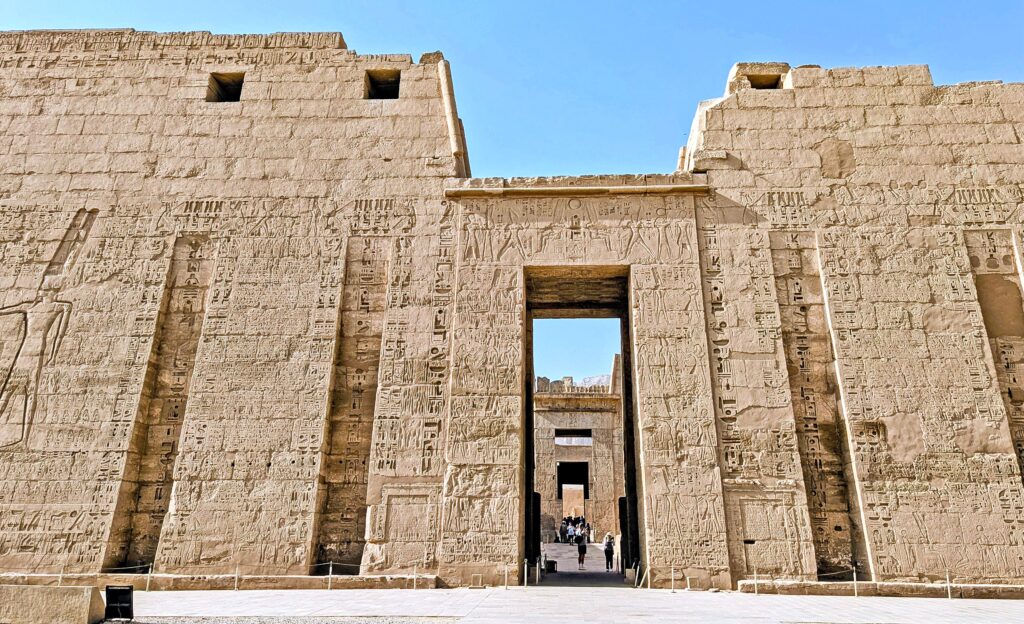
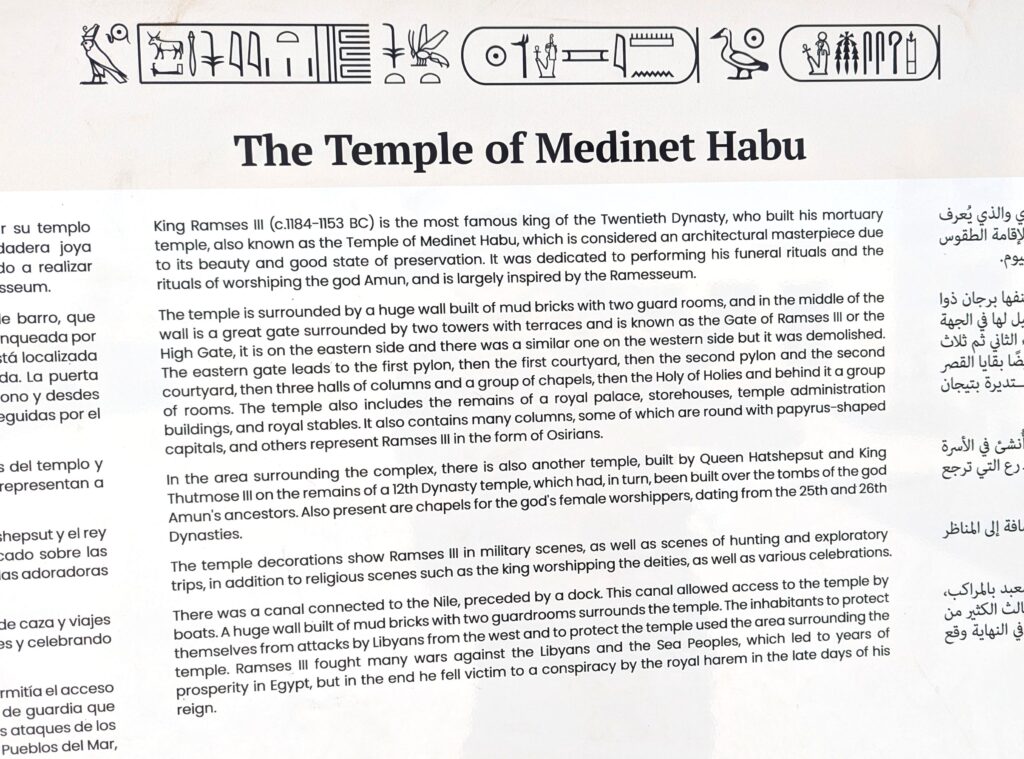
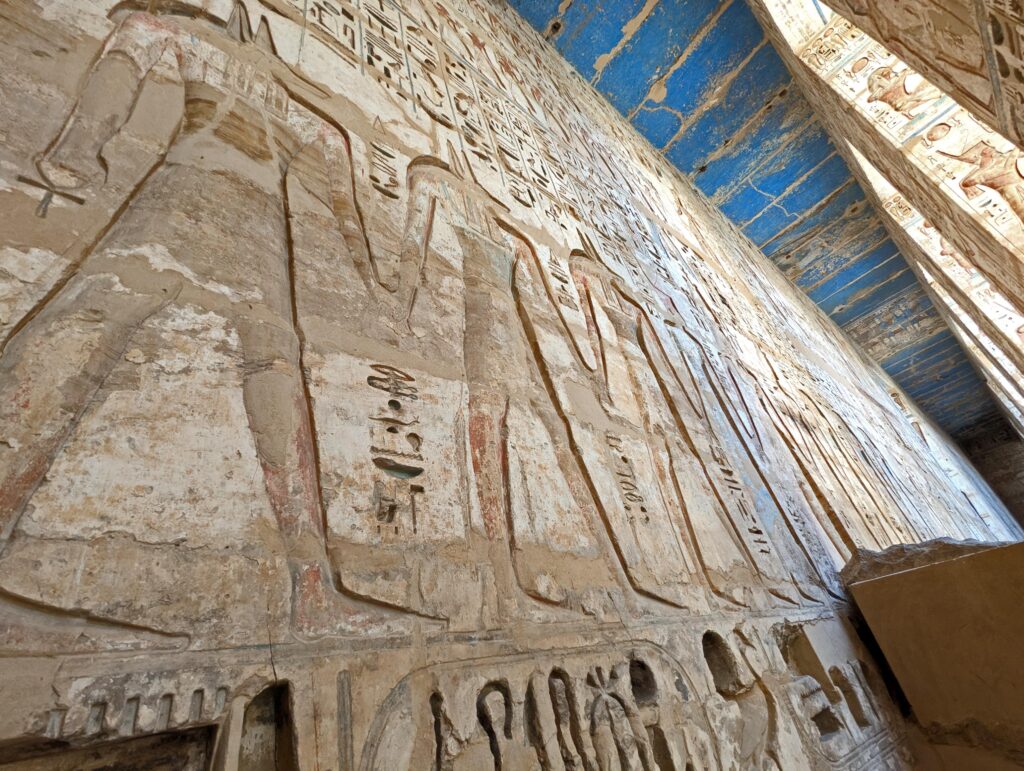
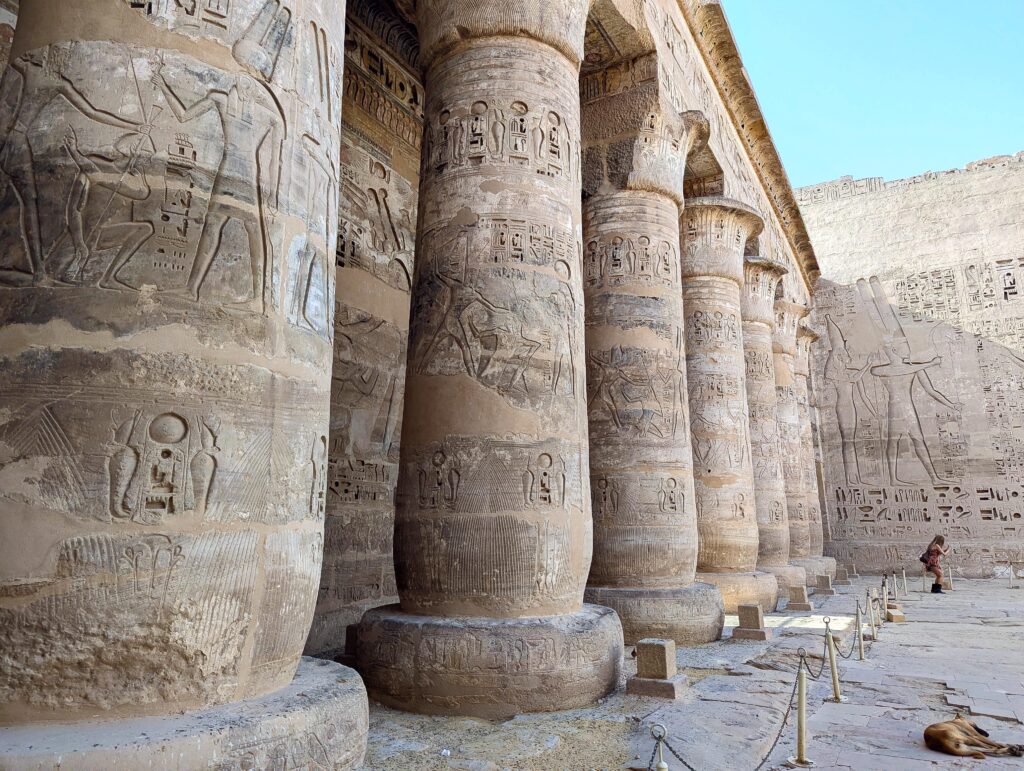
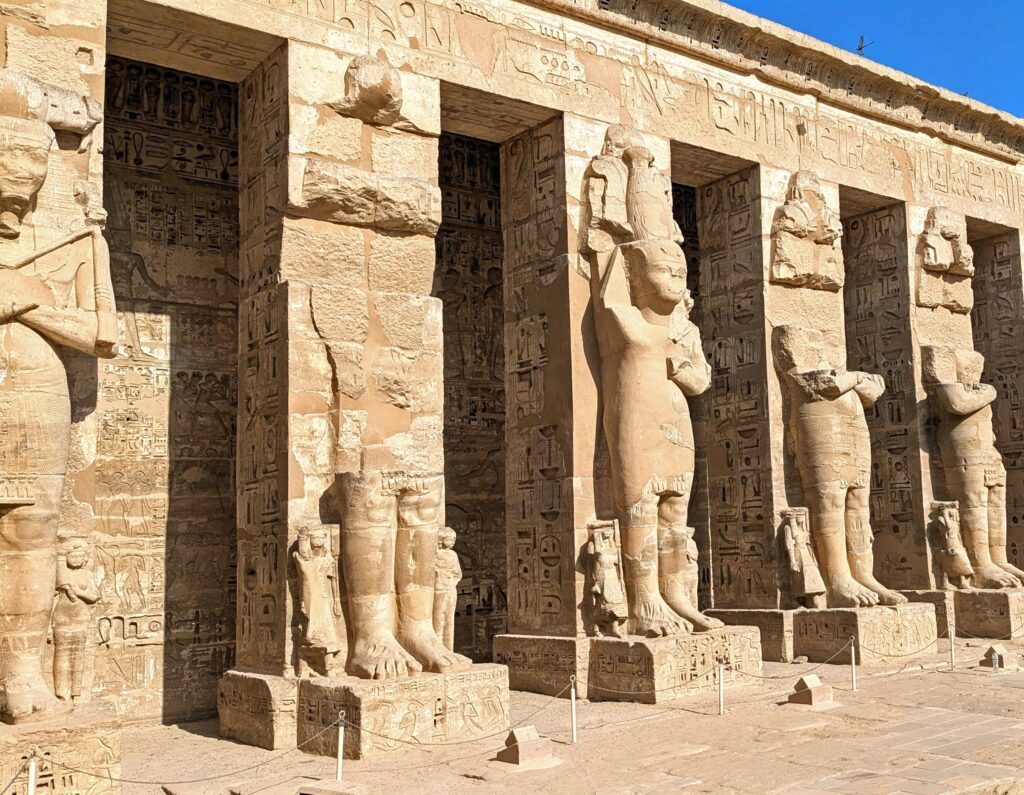
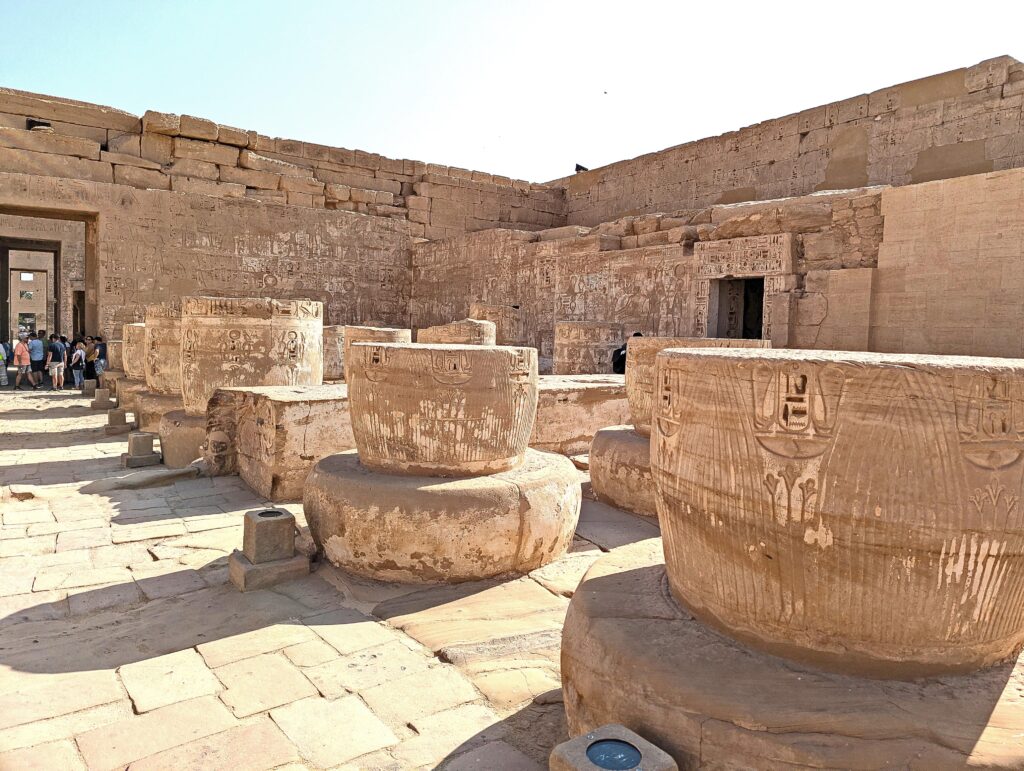
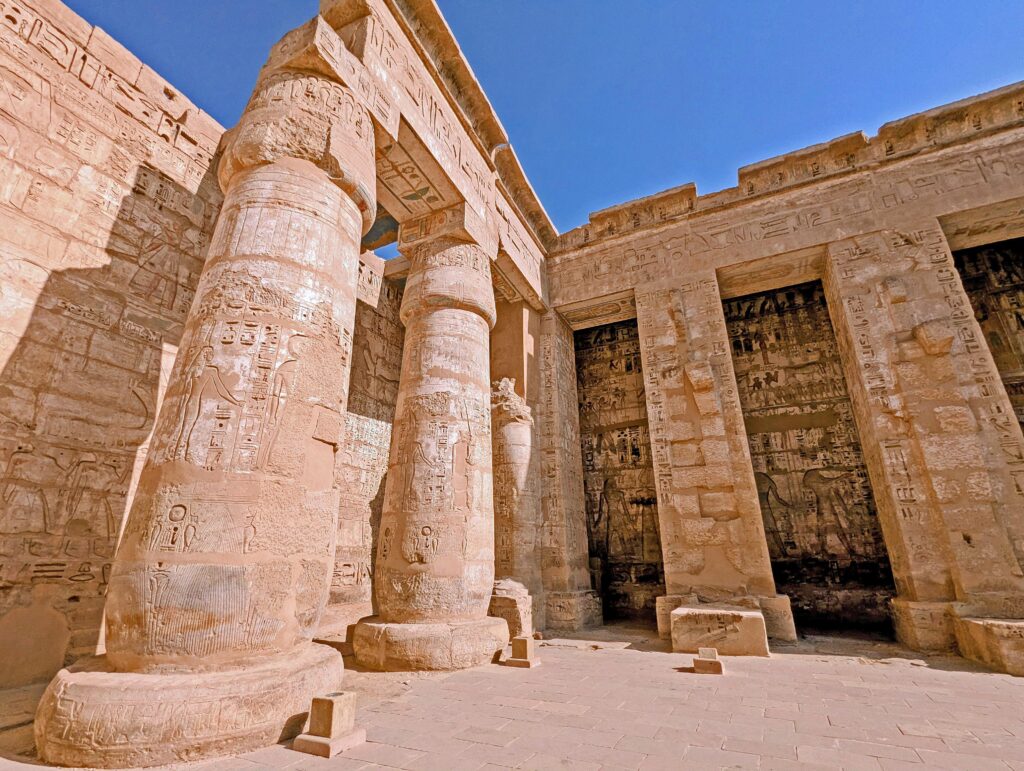
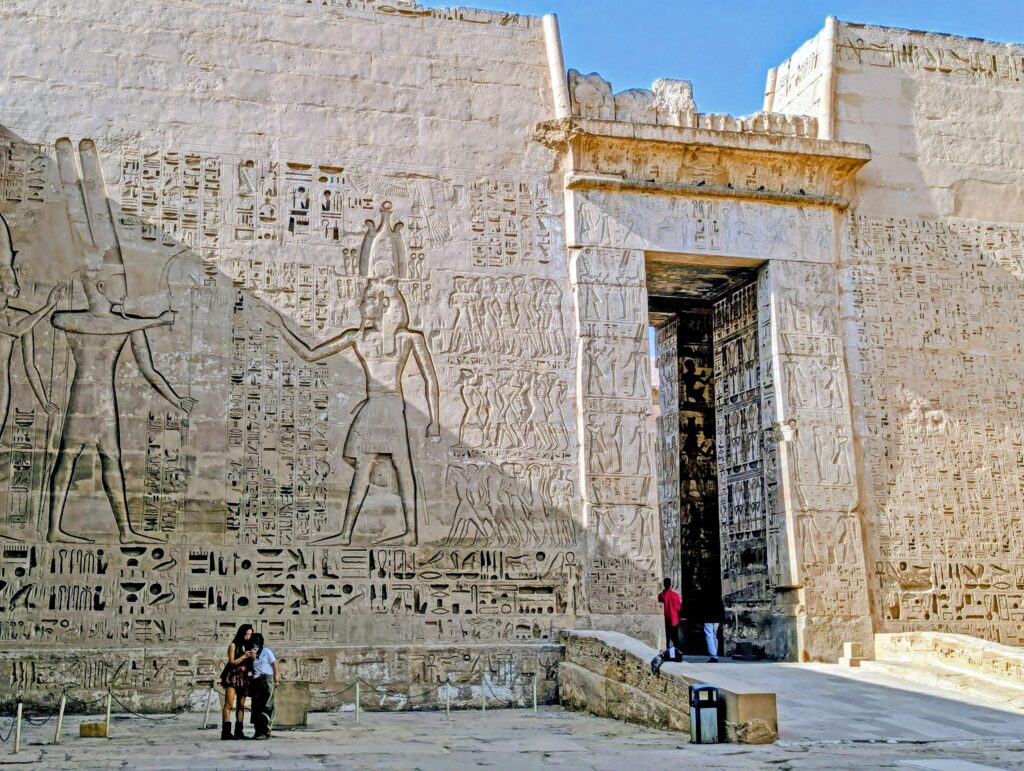
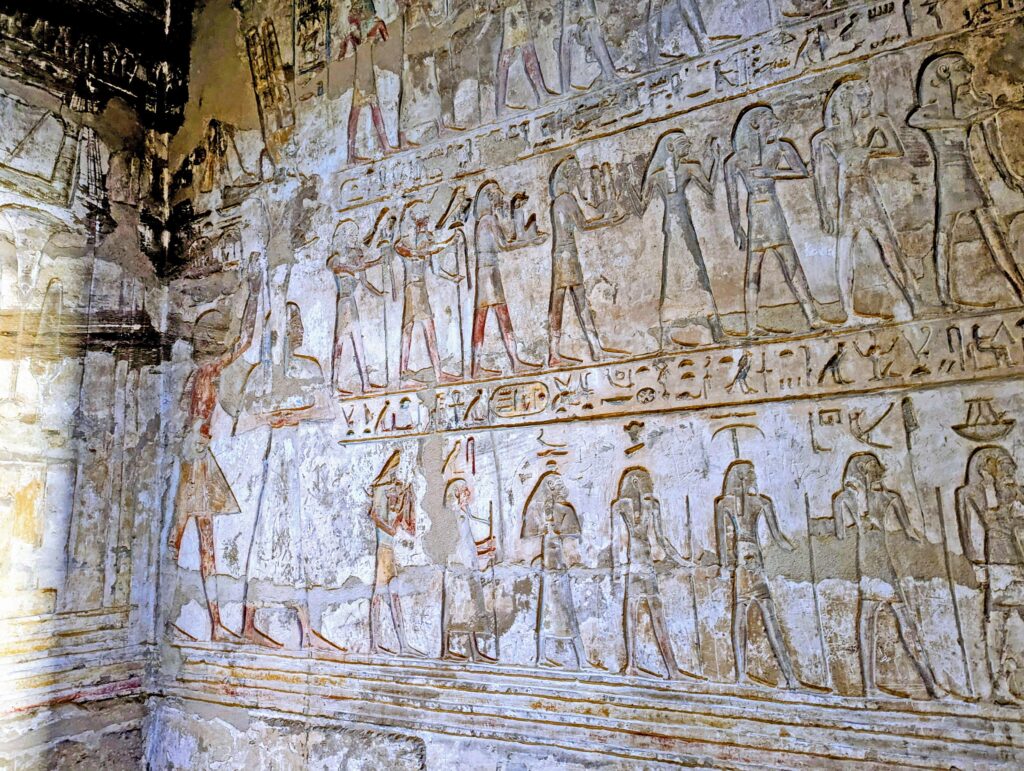
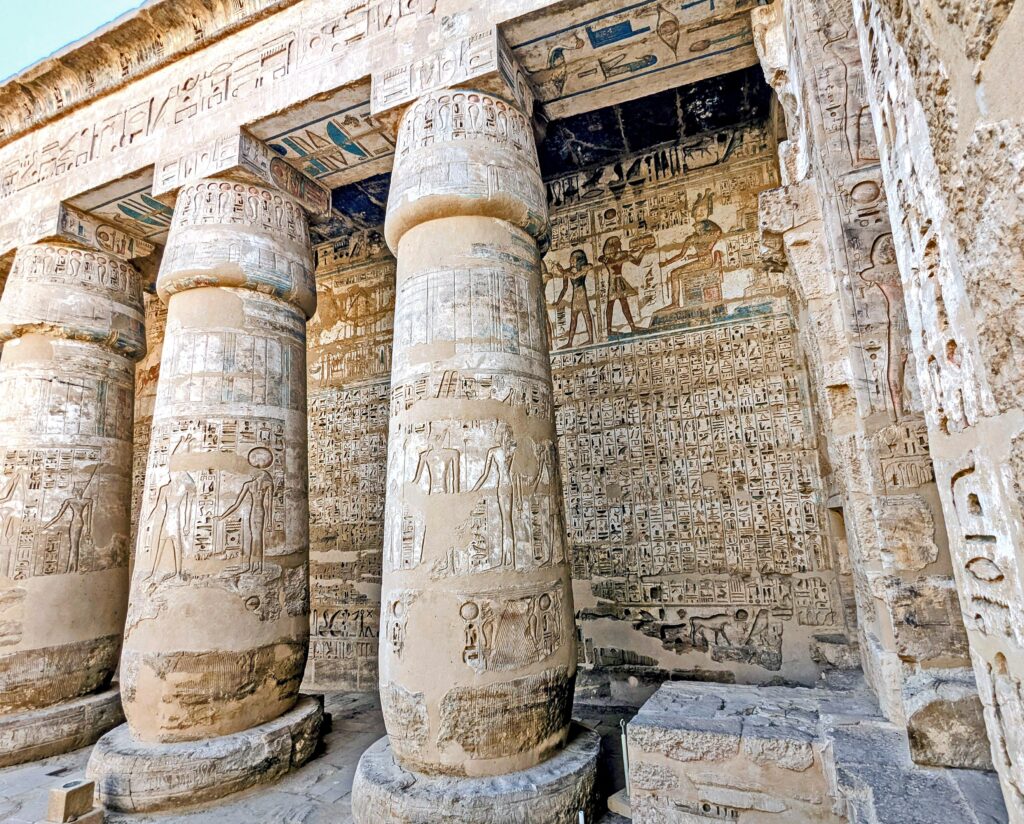
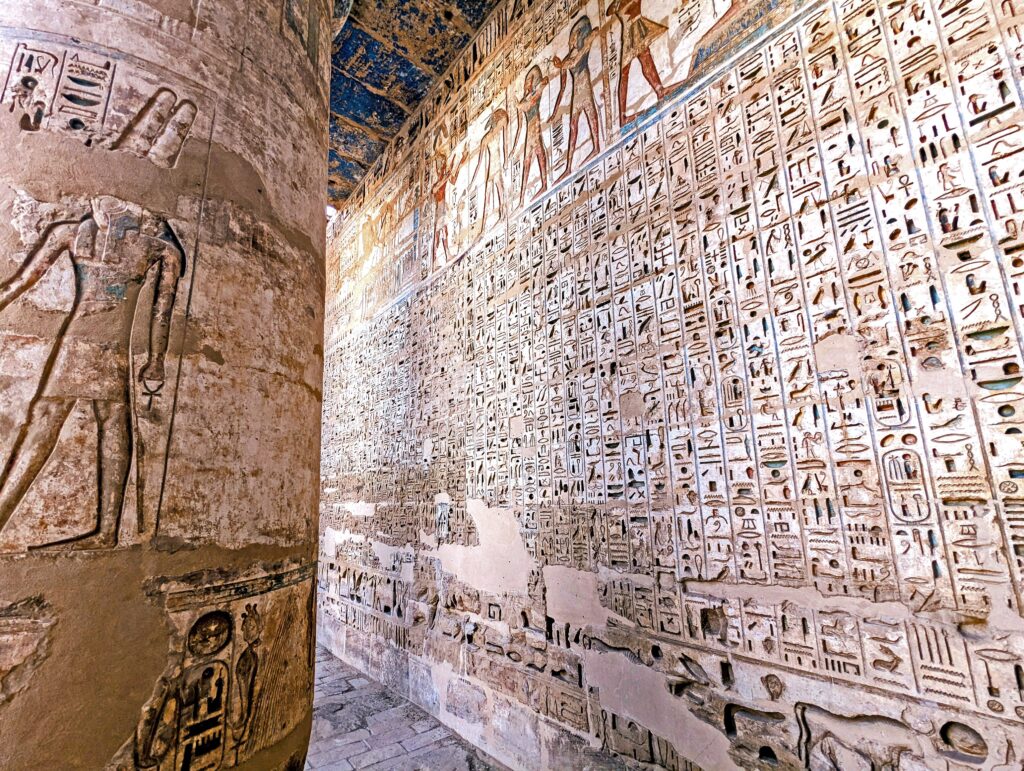
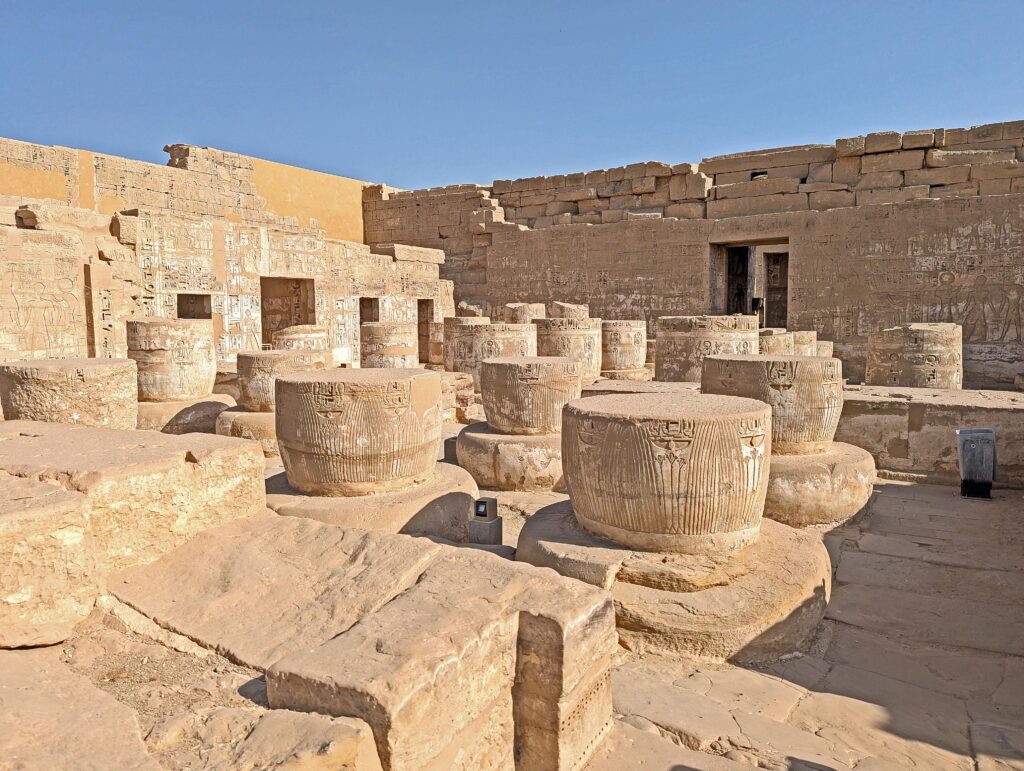
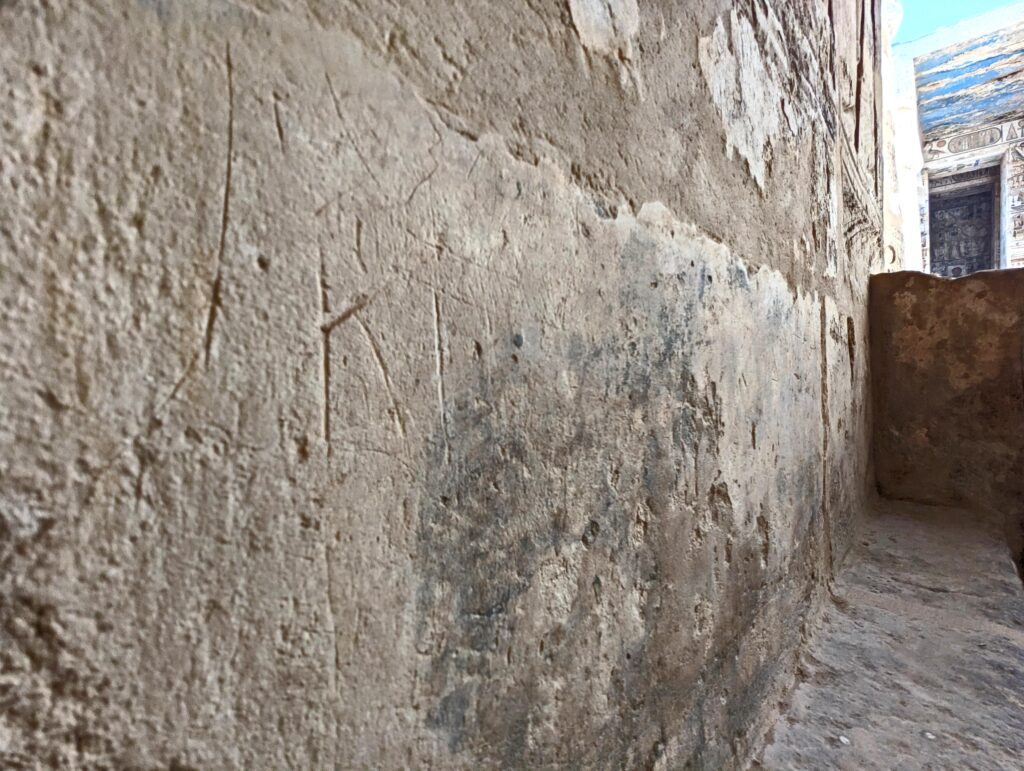
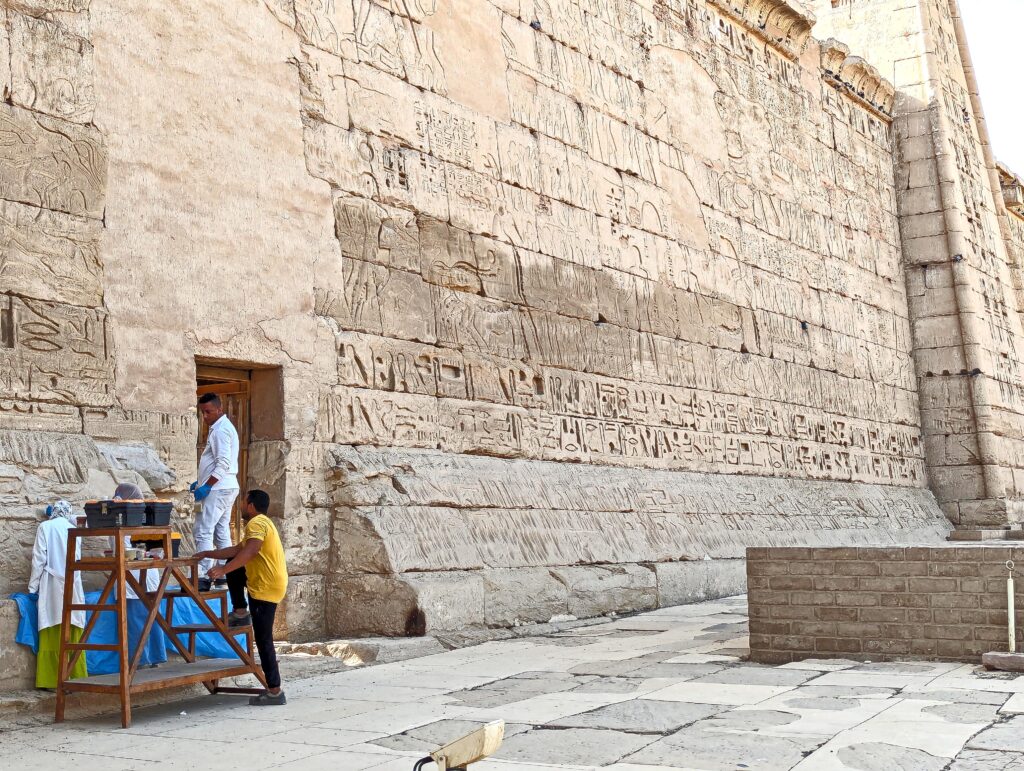
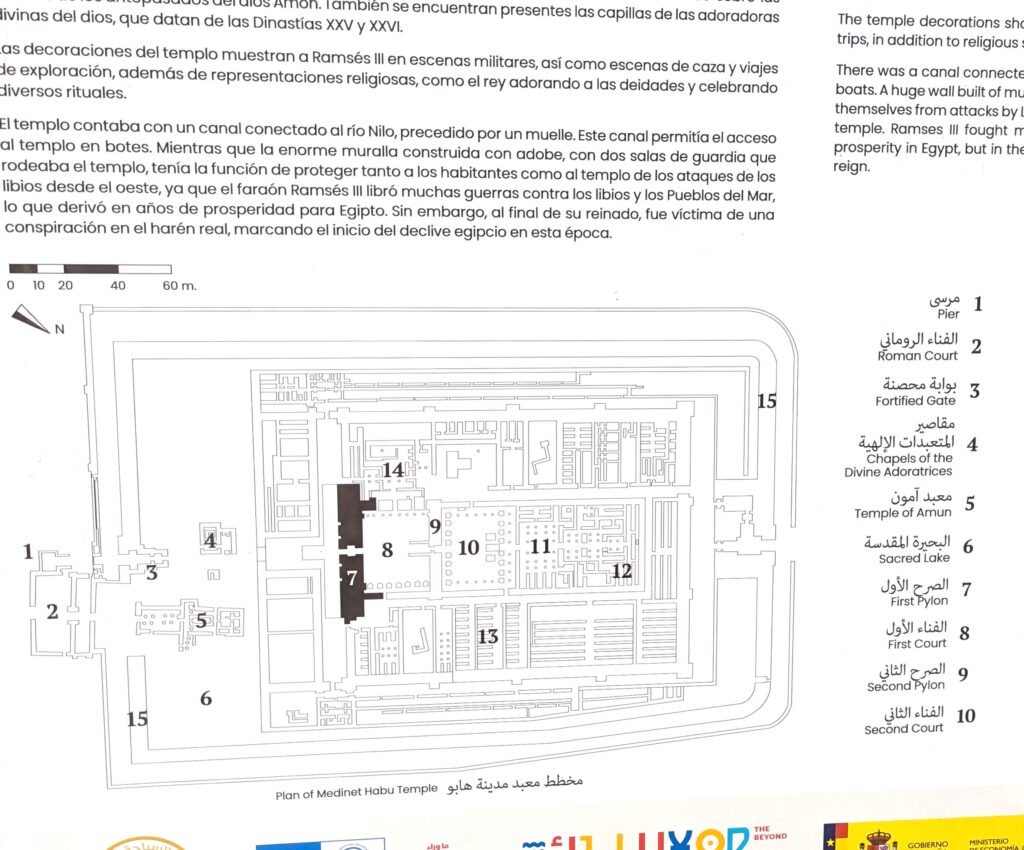
This amazed me. The Temple of Medinet Habu is an ancient mortuary temple located on the west bank of Luxor (ancient Thebes) in Egypt. It was primarily built by Pharaoh Ramses III during the New Kingdom period (specifically his reign from 1184–1153 BC). The temple served as a mortuary temple for Ramses III and was a major religious and administrative center in Thebes. The temple complex is considered the second largest ancient temple in Egypt.
Colossi of Memnon
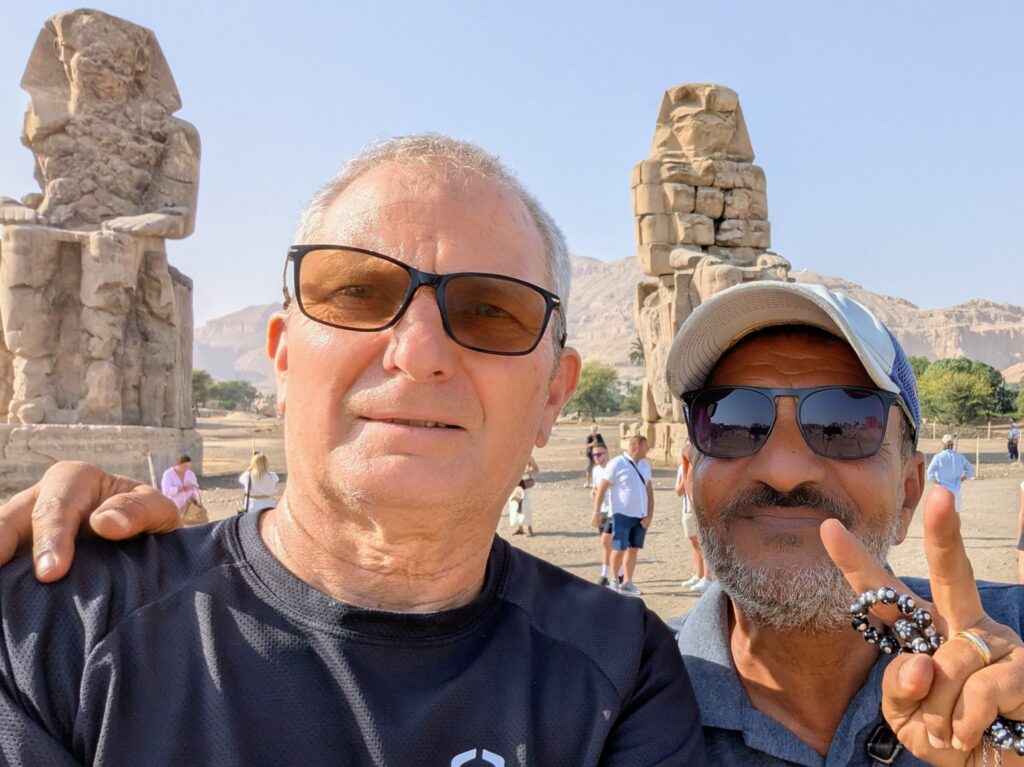
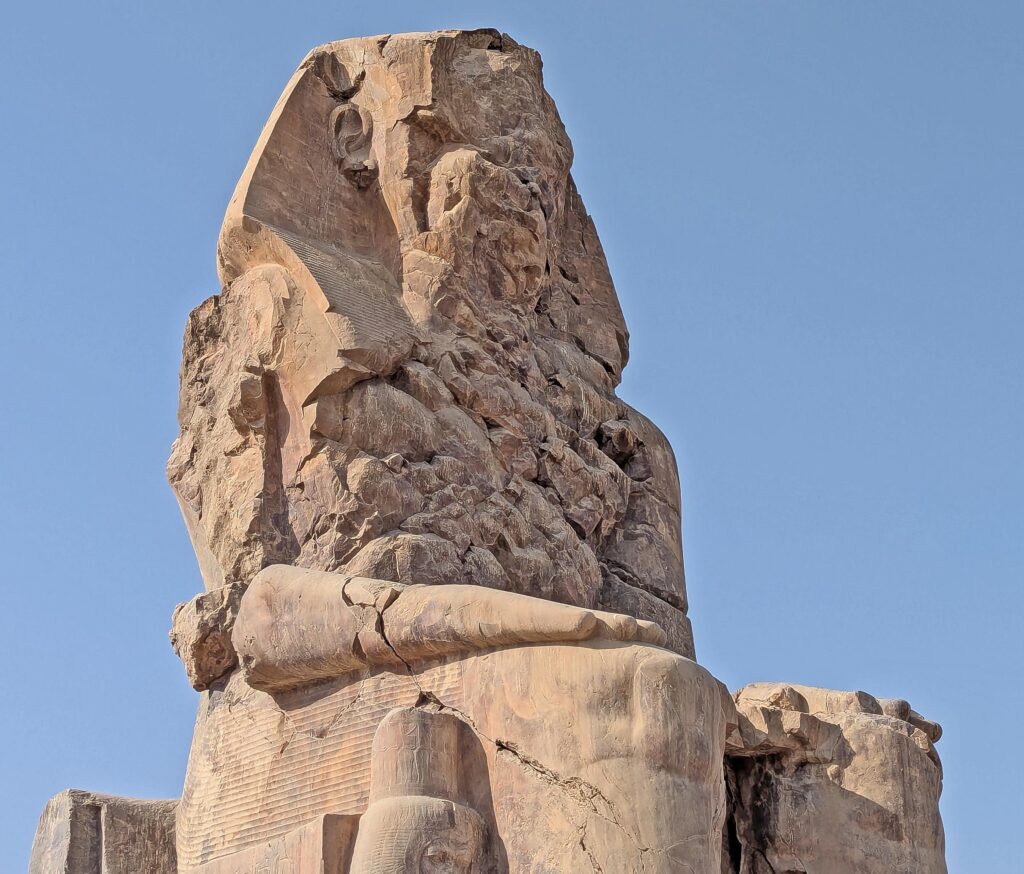
The Colossi of Memnon are two colossal stone statues located on the west bank of the Nile River, opposite the city of Luxor, in an area called the Theban Necropolis. These statues stand near the site of what was once Pharaoh Amenhotep III’s massive mortuary temple, built during the 18th dynasty of ancient Egypt around 1350 BC. Each statue is about 60 feet tall and depicts Amenhotep III seated on a throne. The statues are made from sandstone blocks quarried near Cairo and transported over 600 kilometers to their current location.
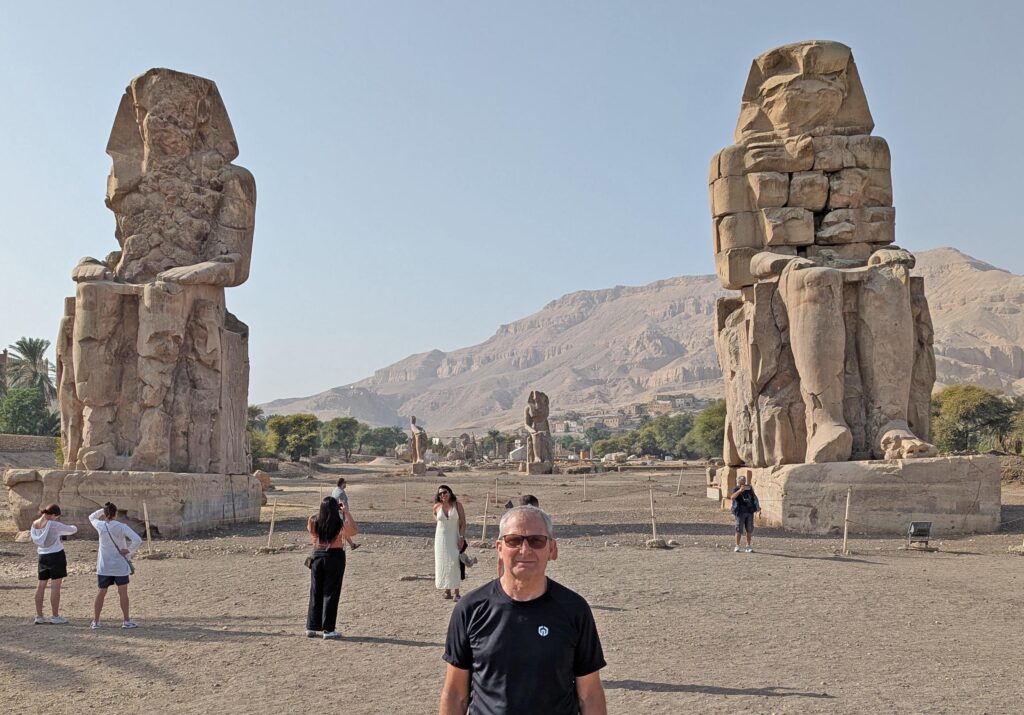
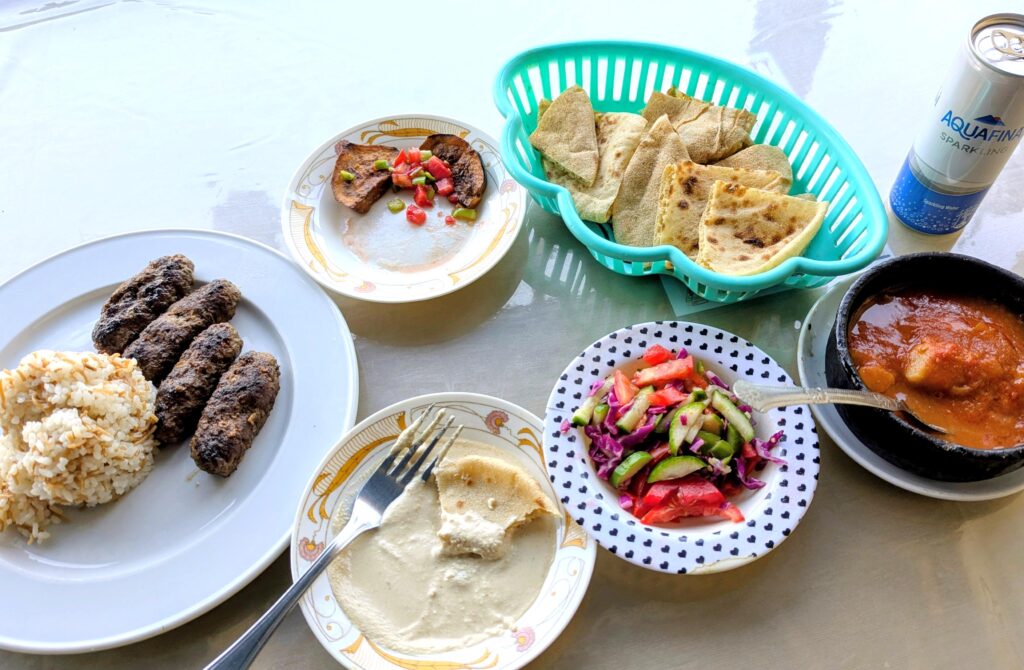
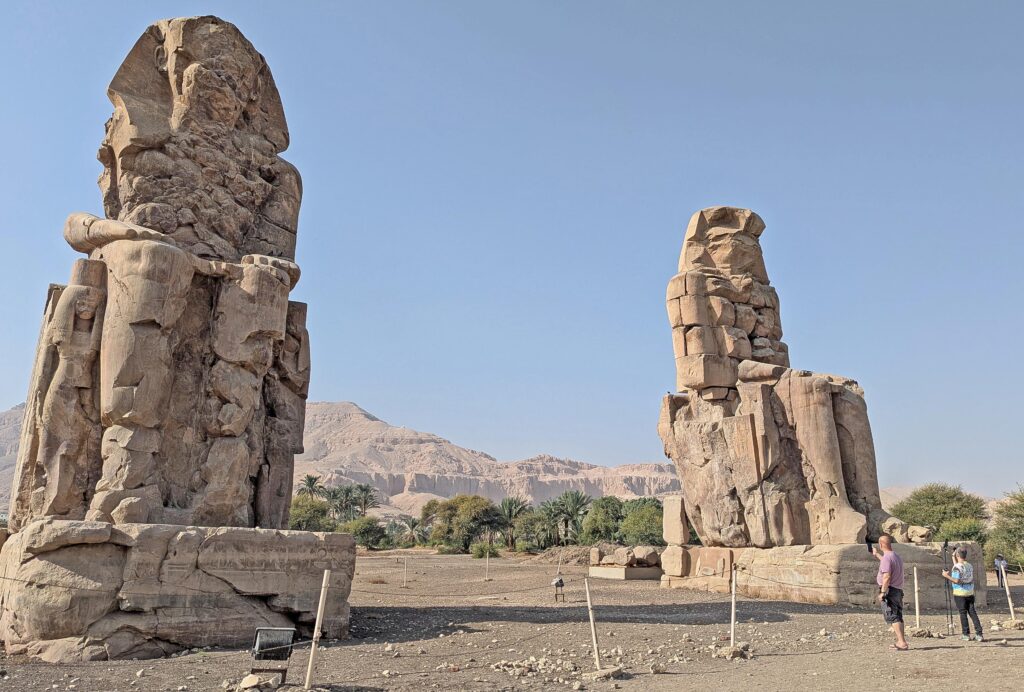
This was the last stop on the tour. I then had late lunch at nearby Isis Restaurant.